
Antique Mirror with Gilding
An antique mirror with gilding brings warmth and reflected light to a room through centuries-old craftsmanship.
Antique Mirror with Gilding
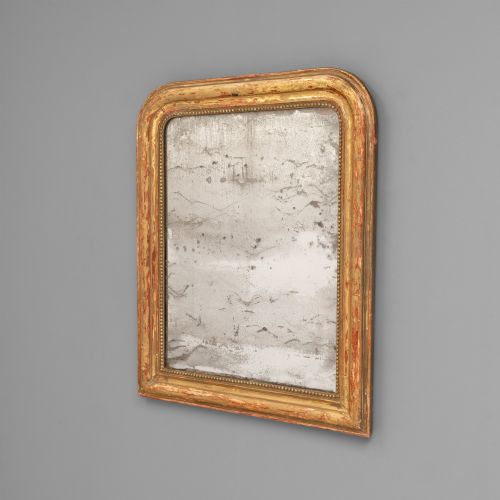
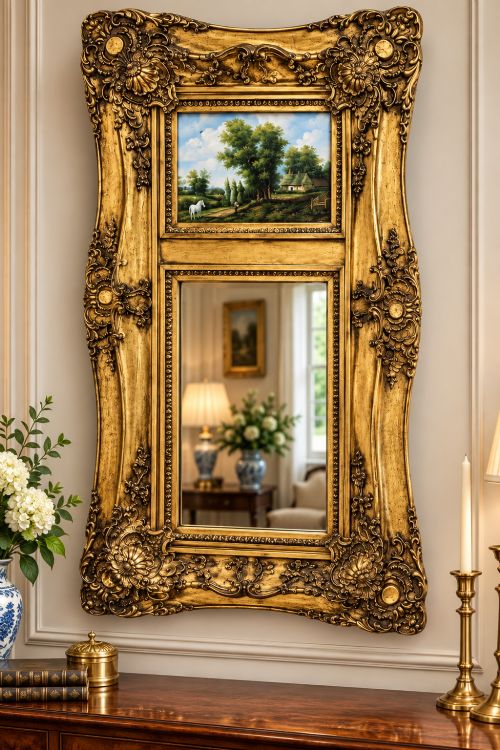
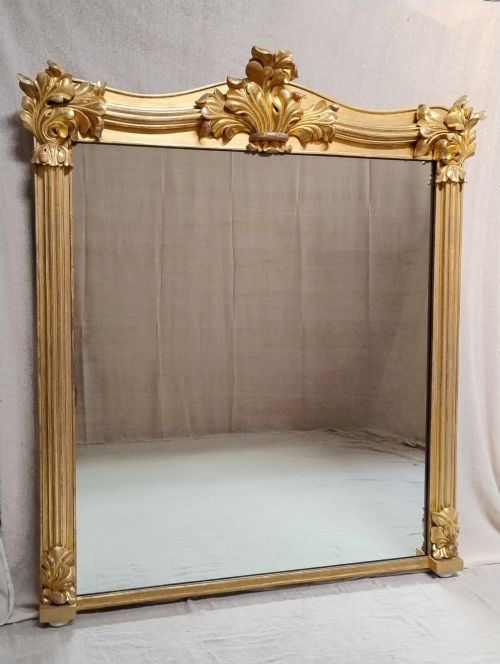
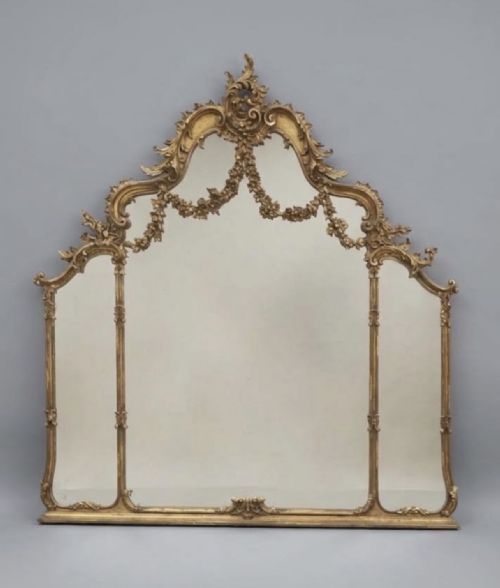
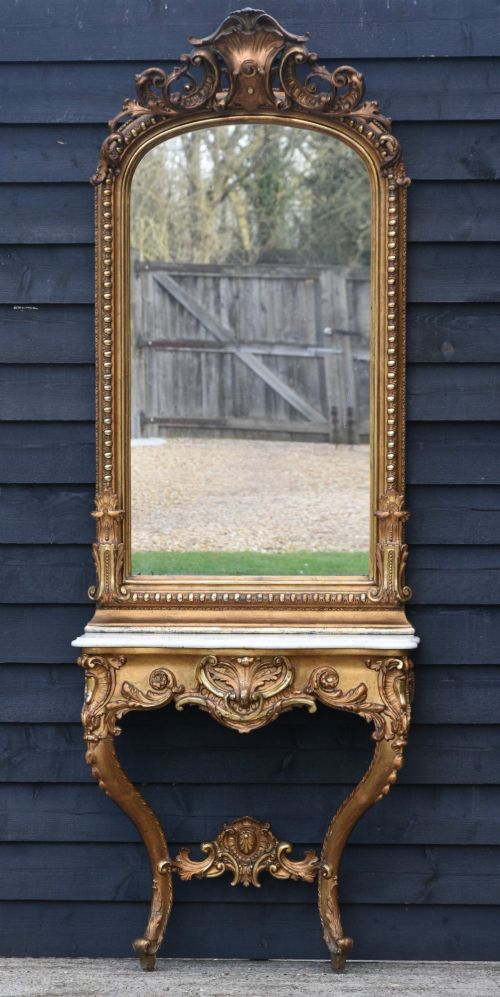
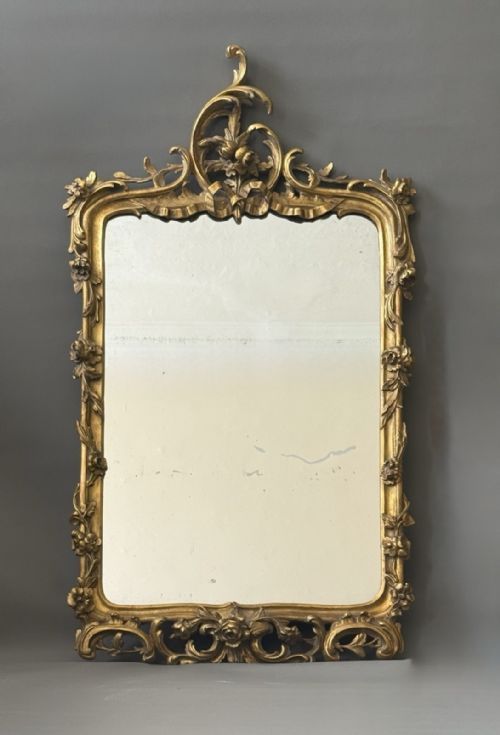
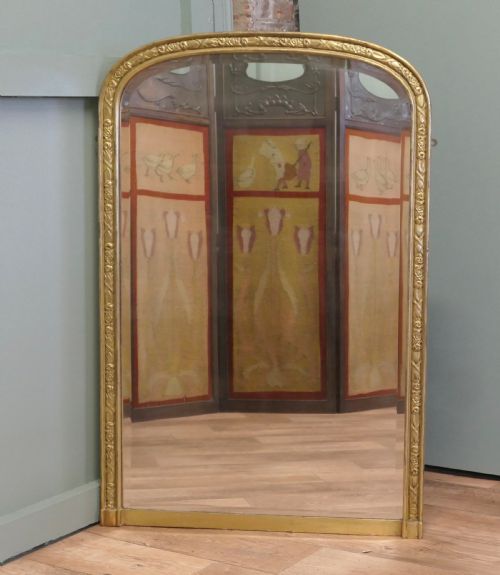
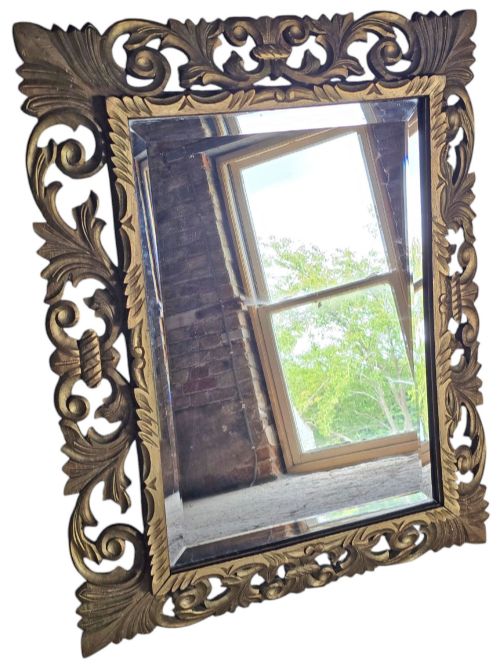
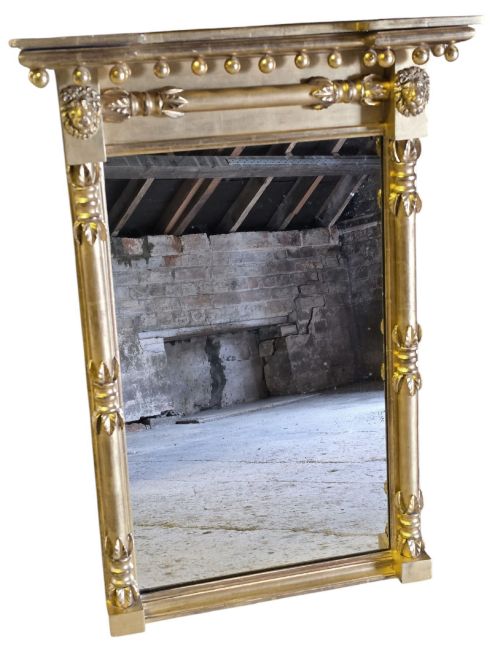
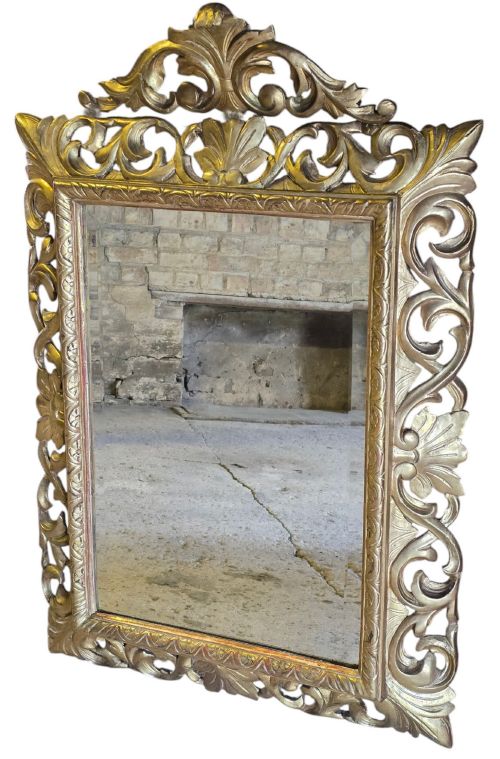
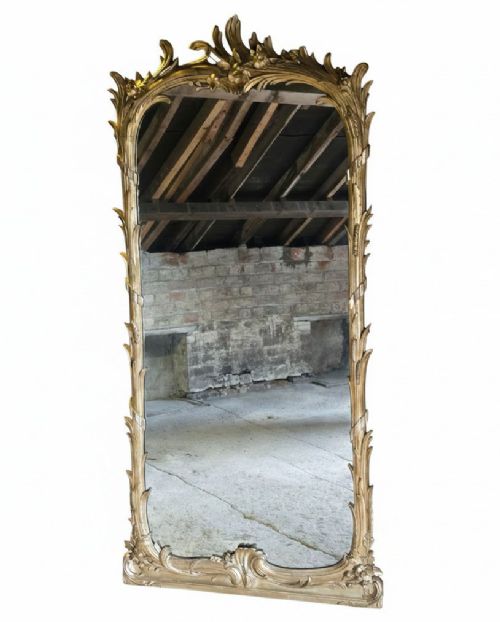
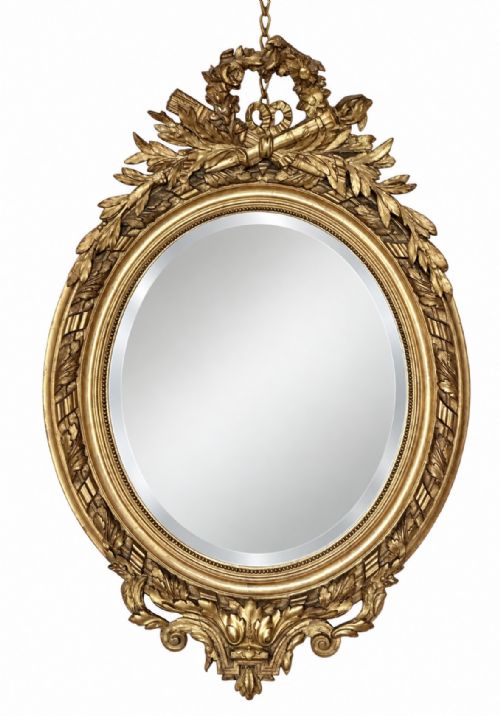
An antique mirror with gilding encompasses wall mirrors, overmantels, pier mirrors, and girandoles spanning the eighteenth, nineteenth, and early twentieth centuries. Pieces originating from French and English workshops dominate the selection, showing styles from Georgian and Regency through to Victorian Rococo Revival.
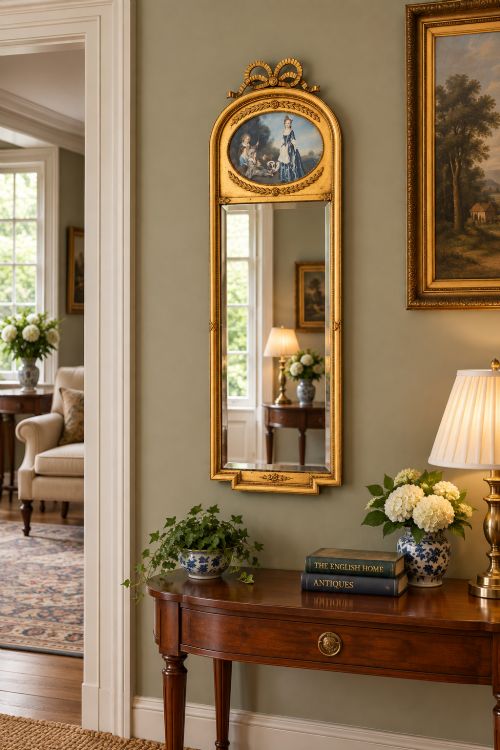
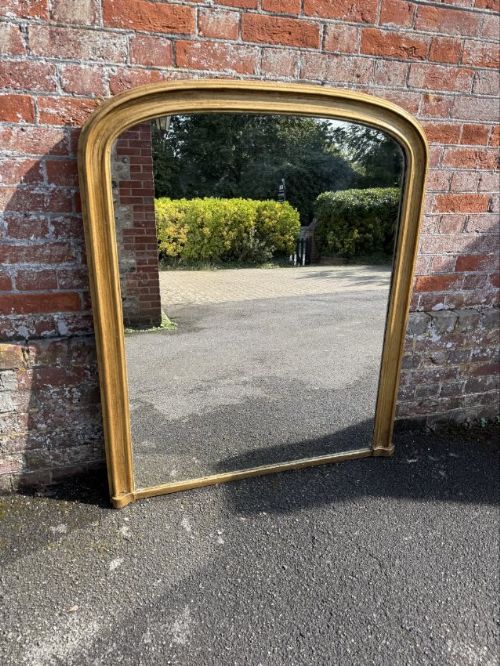
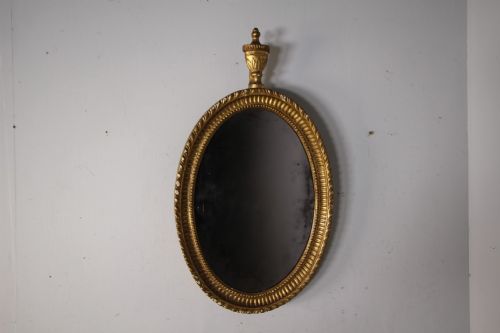
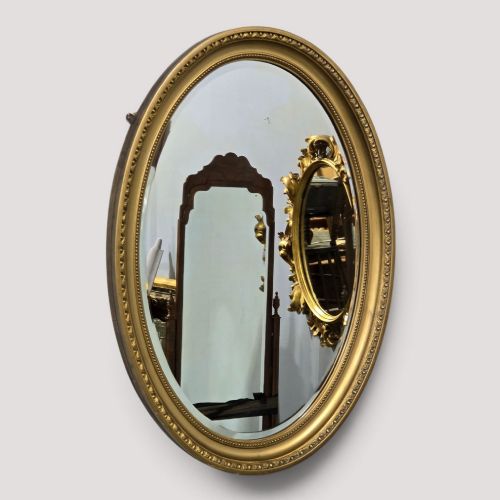
Buyers meet large arched leaner mirrors, circular convex frames surmounted by eagles, and tall trumeau panels incorporating pastoral oil paintings or verre eglomise panels. Smaller dressing table mirrors and oval border glass pieces with urn and swag decoration also appear regularly across these periods.
Materials and construction
Frames rely on carved timber, gesso, and composition applied over wood bases, finished with gold leaf, silver-gilt, or oil gilding. Ebonised wood slips and ormolu mounts add contrast to the gilt surfaces.
The mirror plates themselves consist of historic glass, frequently exhibiting foxing, original bevels, or engraved details alongside later replacement plates.
Several convex mirrors keep watch over rooms beneath the vigilant gaze of carved wooden eagles.
Craftsmanship and preservation
Quality rests in the crispness of the carved details, whether acanthus leaves, mythological figures, or floral crests, and the depth of the gilding applied to the gesso and wood. Superior frames retain their original gold leaf surfaces without excessive overpainting or clumsy repairs.
The integrity of the glass plate contributes significantly to the character, with undisturbed original plates and authentic foxing holding greater appeal than modern replacement glass.
The Antique Mirror with Gilding Glossary
- Giltwood
- Timber carved and coated with gold leaf. This material provides the bright, reflective metallic finish seen on formal antique frames.
- Foxing
- Age-related spots and discoloration within the mirror glass. This chemical alteration creates dark patches that confirm the age of the plate.
- Trumeau
- A decorative wall mirror paired with a painted panel or oil painting above the glass. These tall architectural pieces originate largely from French interiors.
- Girandole
- A decorative wall mirror featuring attached candle branches. The candles multiply the reflected light within the room.
- Verre Eglomise
- A process of cold painting and gilding on the reverse of glass. This technique creates decorative panels set above the main mirror plate.
Antique Mirror with Gilding: Frequently Asked Questions
How do I hang a heavy giltwood overmantel mirror?
These large frames require secure fixing directly into masonry walls using heavy-duty brackets suited to the weight of the timber and glass.
Professional installation ensures the overmantel distributes its load safely above a fireplace or console table.
What causes foxing on antique mirror glass?
Foxing occurs when moisture penetrates the backing of the glass over decades, causing the silvering to oxidize and mottle.
Collectors often prize this natural ageing process as evidence of an untouched historic plate.
Are convex mirrors meant for checking reflections?
Convex mirrors distort reflections across a wide angle to survey an entire room rather than provide a detailed personal image.
Regency examples frequently positioned these circular frames to monitor activity in dining and drawing rooms.
How do I clean a gilded antique frame?
Dusting gently with a dry, soft brush prevents damage to fragile composition ornaments and delicate gold leaf surfaces.
Moisture and commercial cleaning products must be avoided entirely to protect the historic finish from stripping.