



Antique Mirror with Console
An antique mirror with console brings architectural depth and reflective light to a room, pairing a fitted wall glass with a matching support table.
Antique Mirror with Console
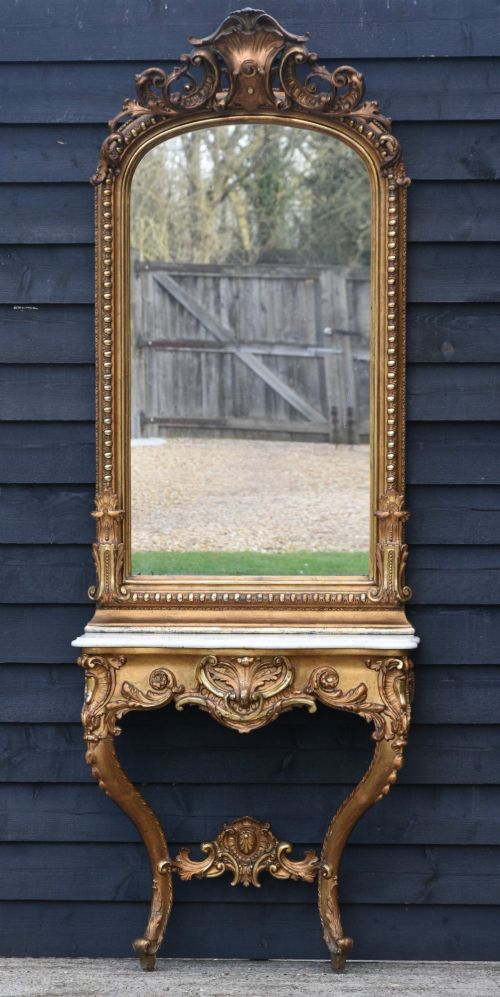
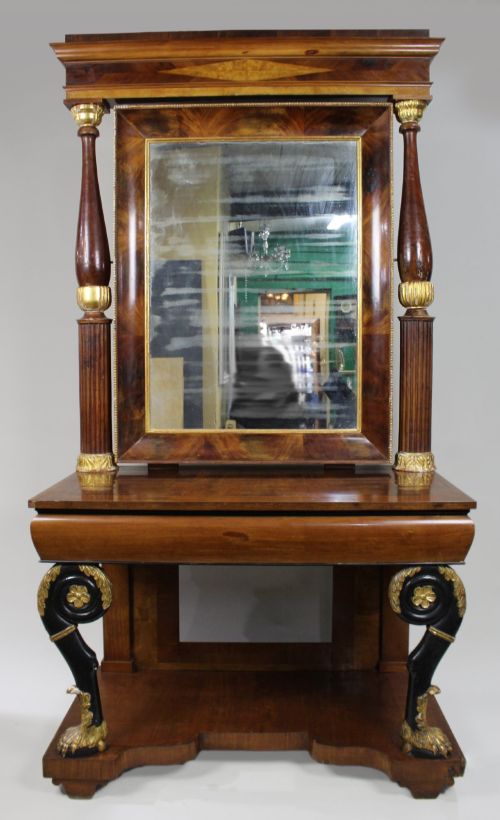
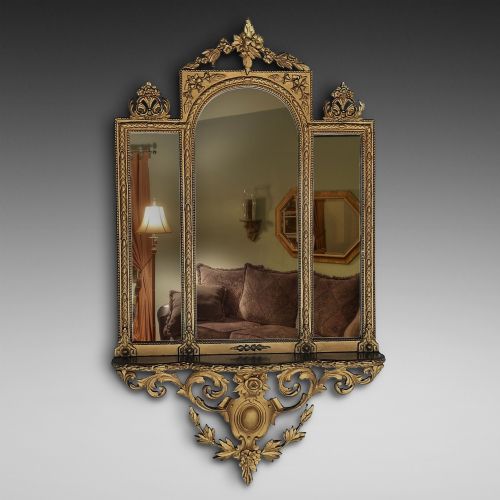
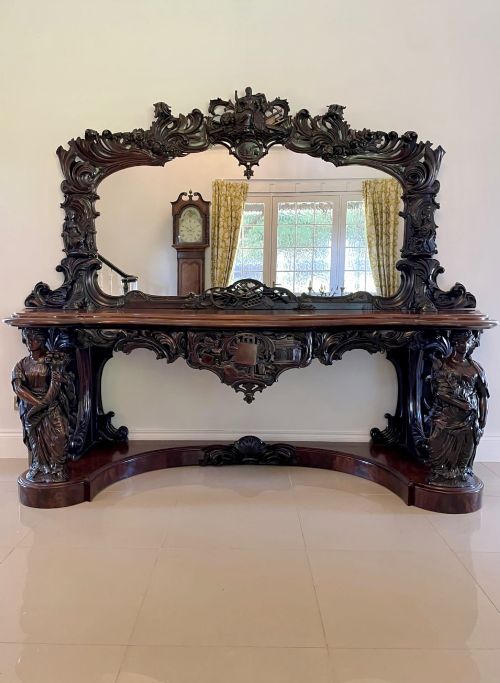
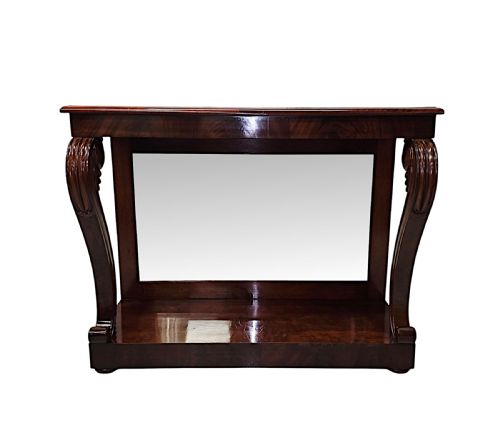
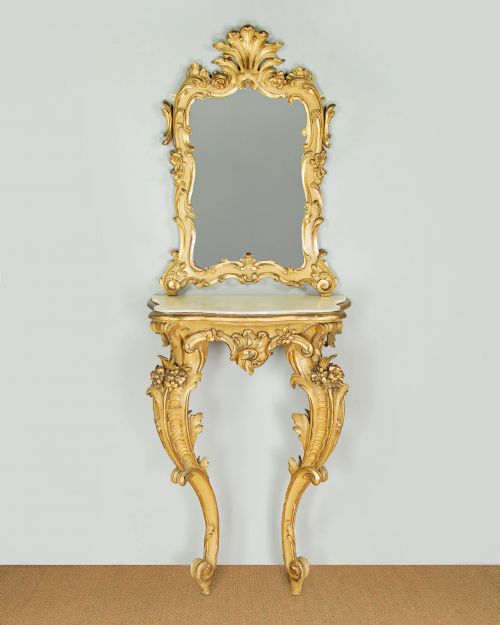
An antique mirror with console unites a vertical glass surface with a dedicated base table, designed to anchor a hallway, drawing room or reception space. The form emerges frequently in nineteenth century British, French and continental work, spanning Regency, Victorian and Edwardian periods.
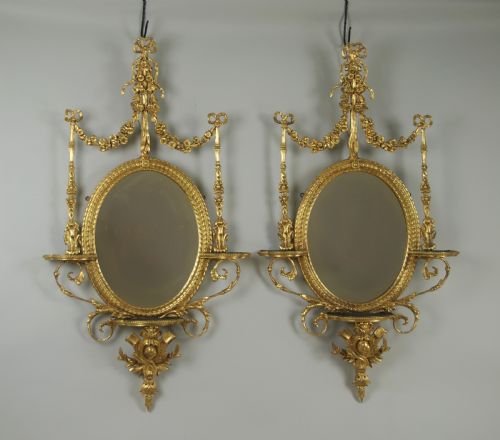
Buyers encounter matched sets where the console table supports or stands directly beneath the wall-hung or fixed pier glass. Materials range from carved giltwood and gesso to figured mahogany and walnut, frequently topped with marble.
The combination serves both practical and decorative functions, reflecting natural light while providing a compact surface for objects. Surviving examples demonstrate the stylistic shifts from formal Regency lines through ornate Victorian Rococo revival to simpler twentieth century forms.
Materials and construction
Cabinetmakers built these pieces using dense hardwoods such as mahogany, walnut and rosewood, often applying giltwood and gesso for decorative frames and carved mounts. Timber frames provide the structural support for heavy mirror glass and stone components.
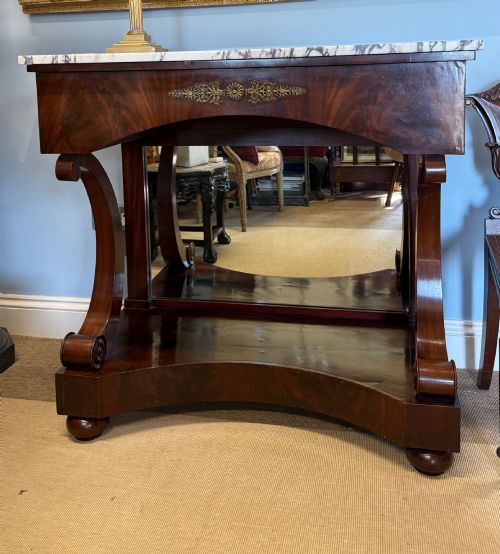
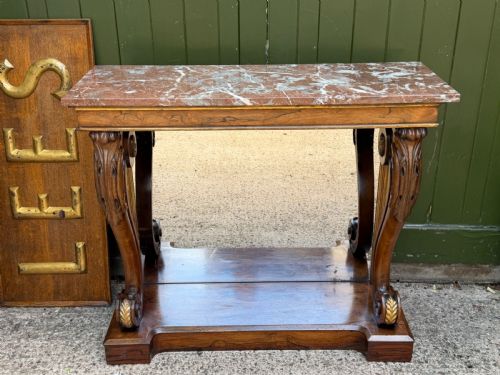
Figured marble tops in white or coloured varieties feature prominently on the console tables, resting on timber framing designed to bear the stone weight. Silvered mirror glass is set within rebated frames, sometimes accompanied by parcel-gilding or hand-carved ornamentation.
Listings demonstrate that nineteenth century examples frequently pair mahogany or walnut frames with Carrara marble tops.
Distinctions in craftsmanship
Quality rests in the harmony between the console table and the accompanying mirror, particularly where carvers executed matching motifs across both elements. Original marble tops and untouched gilding or timber polish elevate a piece above later adaptations or marriages.
Fine craftsmanship shows in the depth of hand-carving on gesso frames and the precise joinery of the console base. The integration of original mirror glass with its distinct silvering characteristics further separates superior examples from altered assemblies.
Ellen E Houghton of Minton
The Antique Mirror with Console Glossary
- Console table
- A table designed to stand against a wall, frequently secured to it with brackets or supported by front legs.
- Pier glass
- A tall mirror specifically sized to fit the wall space between windows.
- Gesso
- A plaster-based material applied to wood substrates and carved or moulded before gilding.
- Trumeau
- A decorative wall mirror featuring an upper glass panel and a lower painted or carved panel, often matched with a console.
- Parcel gilt
- A decorative technique where selected areas of a wood or gesso surface are highlighted with gold leaf.
Antique Mirror with Console: Frequently Asked Questions
Where should I place a console table and mirror?
These pieces suit entrance halls, reception rooms or dining spaces where a narrow footprint is required. They create a focal point while offering a functional surface for small items.
Position the console firmly against a structural wall, ensuring any attached or matching mirror is secured safely at the correct height.
Are the mirrors and tables always sold together?
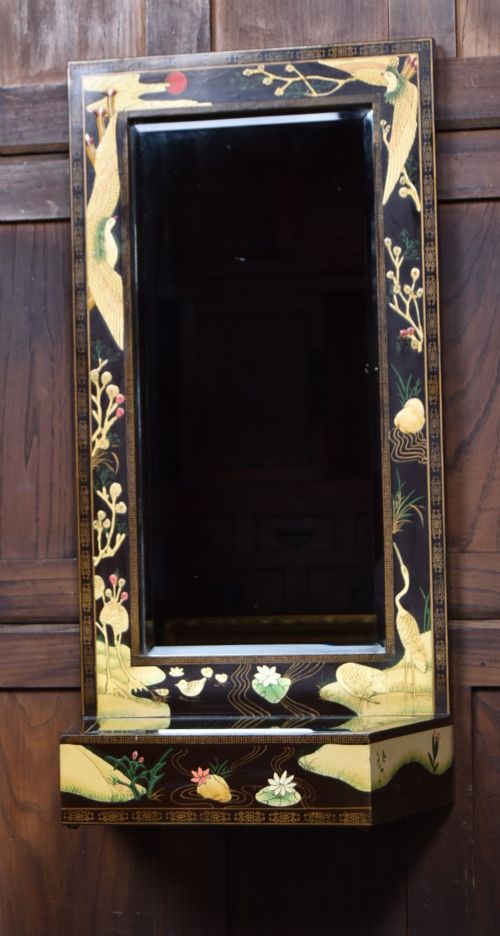
Many listings present the mirror and console table as a matched set originating from the same period. Some items combine a wall-hanging glass with a shelf or integrated display bracket.
Check the individual listing details to confirm whether the table and mirror share matching timber, carving and provenance.
What marble types appear on these tables?
Console tables in this category frequently feature figured marble or Carrara marble slabs fitted to the wooden framework. These stone tops provided a durable, water-resistant surface.
Colour and veining vary according to the origin and date of the piece, ranging from bright white Italian marble to darker variegated tones.