




Antique Wall Mirror Shelf
An antique wall mirror shelf combines a reflective glass plate with practical display space, uniting utility and ornament across Victorian and Edwardian interiors.
Antique Wall Mirror Shelf
An antique wall mirror shelf serves multiple functions within the home, providing a reflective surface alongside a ledge or bracket for small ornaments and everyday objects. Pieces matching this description appear across the nineteenth and early twentieth centuries, spanning Victorian, Edwardian, and later periods.
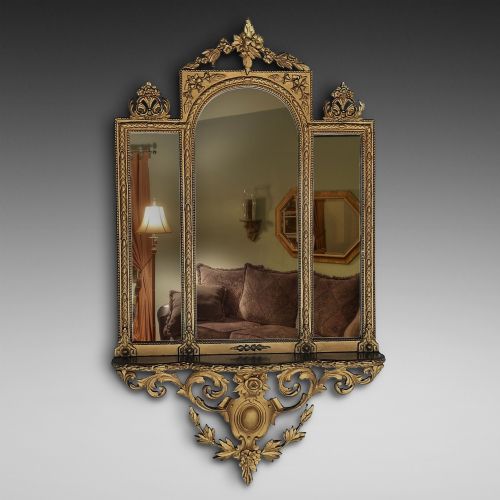
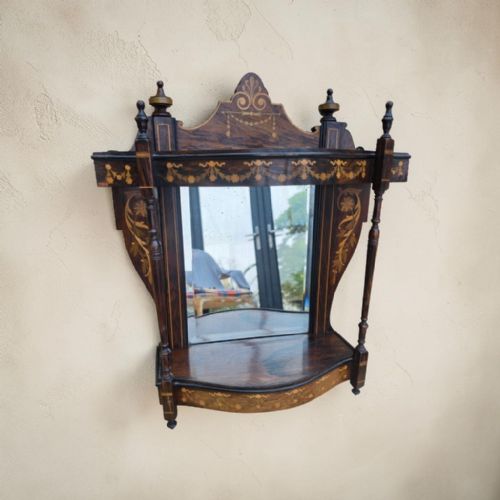
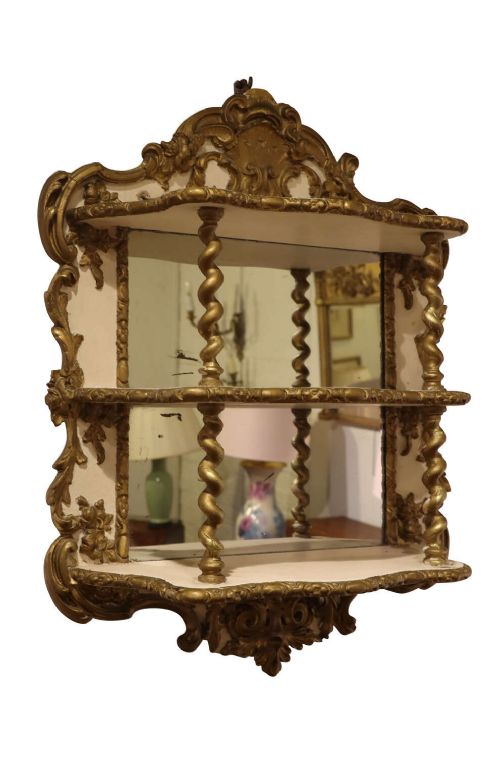
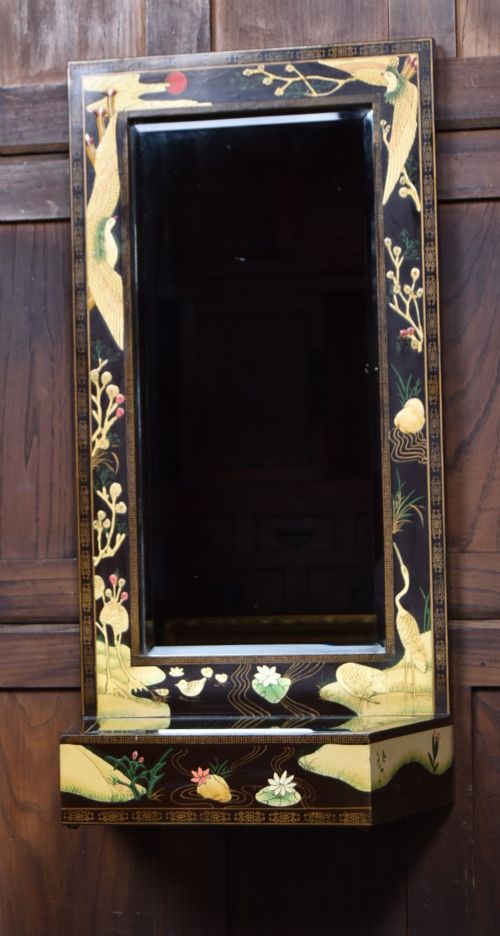
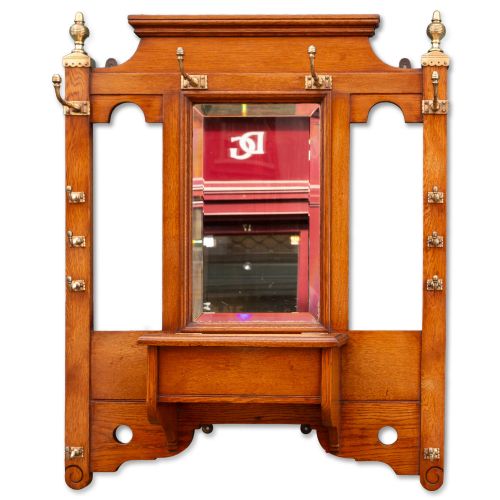
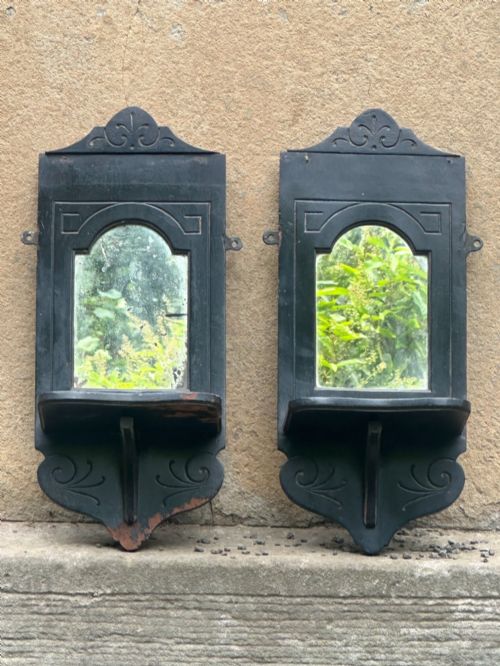
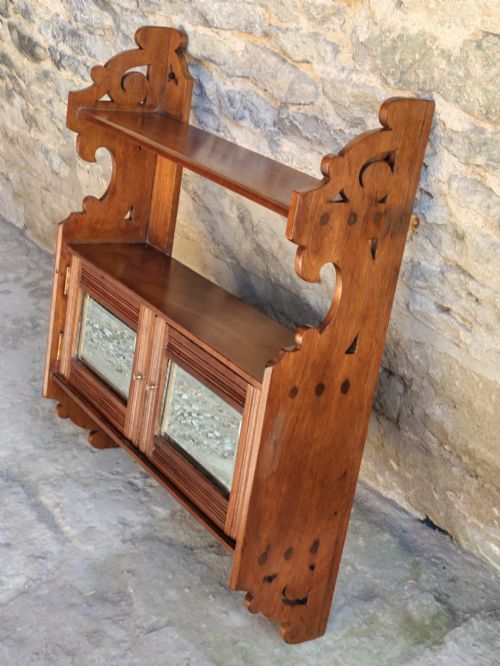
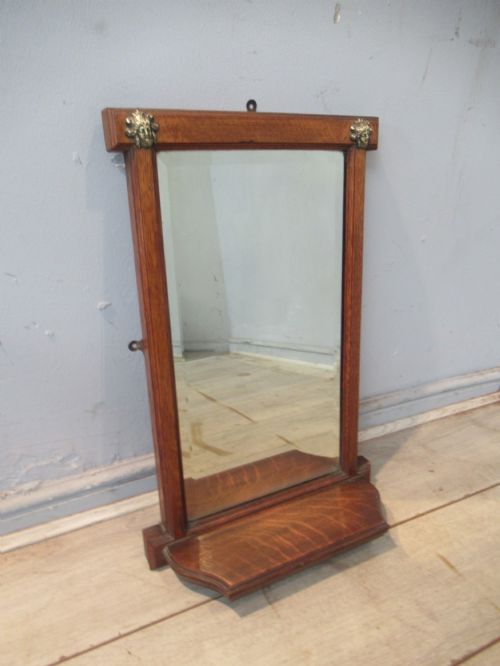
The most common forms on this page include overmantel mirrors with integrated display brackets, hall stands featuring small ledges, and dedicated wall-hanging cabinets with shelving. Materials range from solid mahogany and oak to giltwood, ebonised wood, and walnut.
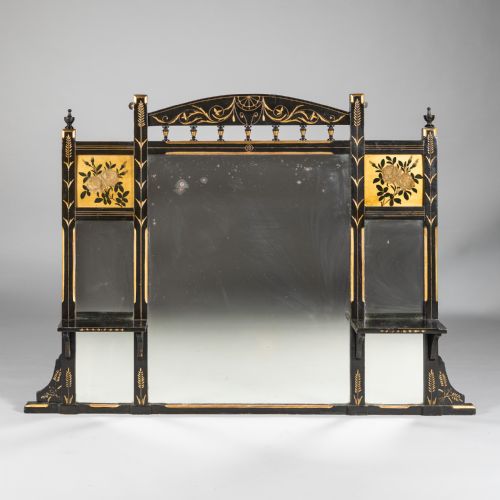
Makers and designers of these utilitarian items drew upon diverse stylistic influences, including Aesthetic Movement ebonising, Moorish fretwork, French Rococo revival, and plain Edwardian utility. Their origins cross English workshops, Irish cabinet makers, and continental European output.
Materials and construction methods
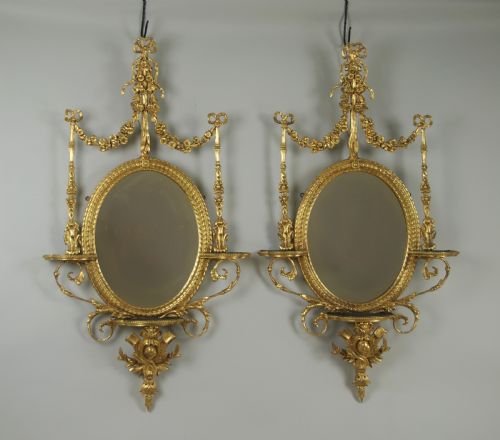
Cabinet makers utilised timber frames of walnut, oak, mahogany, and rosewood, often incorporating gesso and giltwood ornamentation to achieve ornate relief decoration. Joinery techniques varied from robust mortise and tenon frames in sturdy oak pieces to delicate fretwork panels and applied mouldings on walnut and ebonised examples.
Reflecting surfaces rely on glass plates secured within the wooden rebates, sometimes featuring bevel cut edges or original silvering that shows the passage of time. Display brackets and shelves attach via sturdy internal fixing blocks or structural dowels to support the weight of small porcelain or metal items.
Listings feature oak, walnut, mahogany, and rosewood timbers alongside giltwood, gesso, and ebonised finishes across the nineteenth and early twentieth centuries.
Distinctions in craftsmanship
Quality rests in the crispness of the carved or moulded detail, particularly in giltwood and gesso pieces where sharp articulation distinguishes superior workshop output from softer, later castings. Timber selection also dictates grade, with figured walnut and dense mahogany demonstrating higher status than simple pine or secondary woods.
Structural integrity of the shelf joints and mirror backing boards indicates the original standard of manufacture. Pieces that retain their original bevel-cut glass plates, intact parcel-gilt highlights, and secure bracket supports command greater interest from collectors.
Cottier & Co.·Liberty & Co·Strahan of Dublin
The Antique Wall Mirror Shelf Glossary
- Giltwood
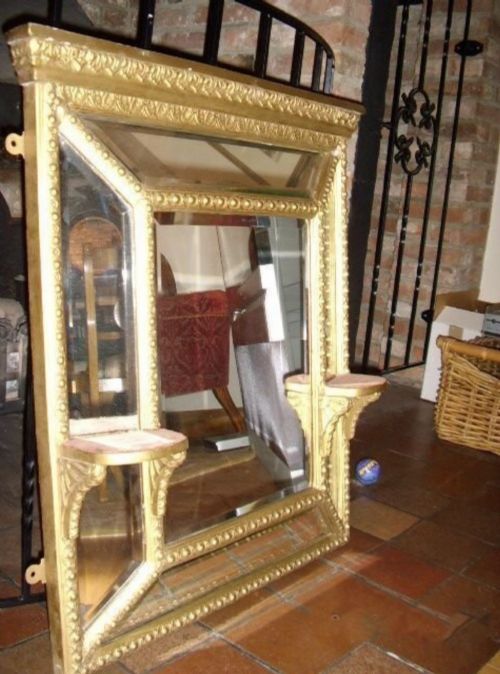
- Wood that has been coated with gold leaf or metallic paint over a prepared gesso ground. This finish appears frequently on Victorian and revival frames.
- Overmantel mirror
- A large wall mirror specifically designed to hang on the wall directly above a fireplace mantelpiece. Many incorporate small display shelves or brackets.
- Ebonised wood
- Timber treated with a chemical stain or dark pigment to imitate expensive ebony. It is characteristic of nineteenth-century Aesthetic Movement design.
- Girandole
- An ornate wall mirror featuring attached candle sconces or decorative brackets. The reflective glass multiplies the flickering light of the candles.
- Bevel cut
- An angled edge ground around the perimeter of the mirror glass plate. This decorative technique creates a prismatic light refraction.
Antique Wall Mirror Shelf: Frequently Asked Questions
Where should I hang an antique wall mirror shelf?
These pieces suit entrance halls, bedrooms, and living rooms where a combination of a mirror and a small display ledge proves useful. Hallways often accommodate designs with coat hooks or key shelves.
Ensure the wall construction can support the combined weight of the timber frame and glass plate, utilising appropriate fixings for older plaster or brick.
How do I care for original mirror glass?
Dust the wooden frame gently with a dry, soft cloth, avoiding abrasive polishes that might damage aged finishes or gilt surfaces. Clean the glass plate sparingly using a soft cloth and a minimal amount of neutral cleaner.
Prevent moisture from seeping behind the glass plate or into the wooden rebates, as dampness accelerates the degradation of the silvering.
Are these pieces suitable for modern bathrooms?
Certain Edwardian and later examples serve well in bathrooms, particularly those designed originally as shaving cabinets or cloakroom mirrors with small storage shelves. Solid oak or painted frames withstand domestic humidity better than delicate giltwood.
Check that the protective backing and mirror silvering remain stable enough to resist steam and condensation before placement in damp environments.
How do I distinguish Victorian from Edwardian examples?
Victorian pieces often display heavier proportions, deeper mouldings, and darker timbers such as walnut and rosewood, frequently incorporating elaborate revival ornamentation or Aesthetic ebonising. Edwardian versions tend to feature lighter construction, simpler oak frames, or painted surfaces suited to more modest spaces.
Examine the backboards, fixings, and secondary woods for clues, as machine-sawn components and brass screw types help narrow down the period of manufacture.