


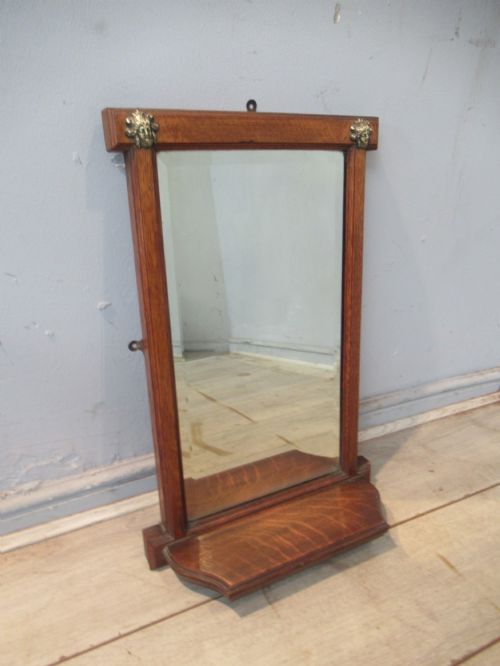
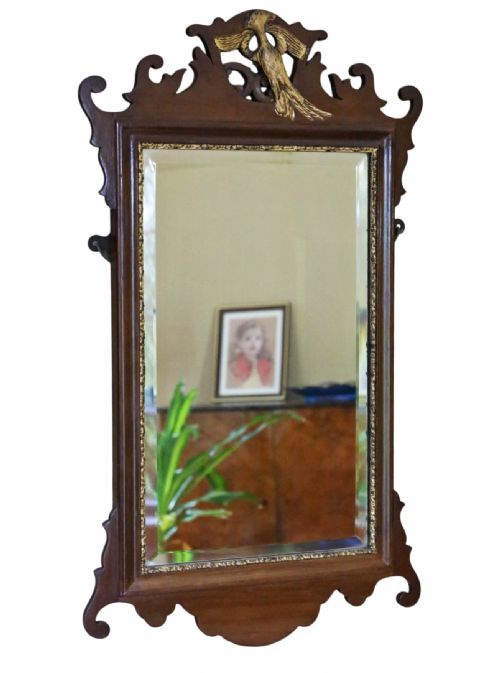
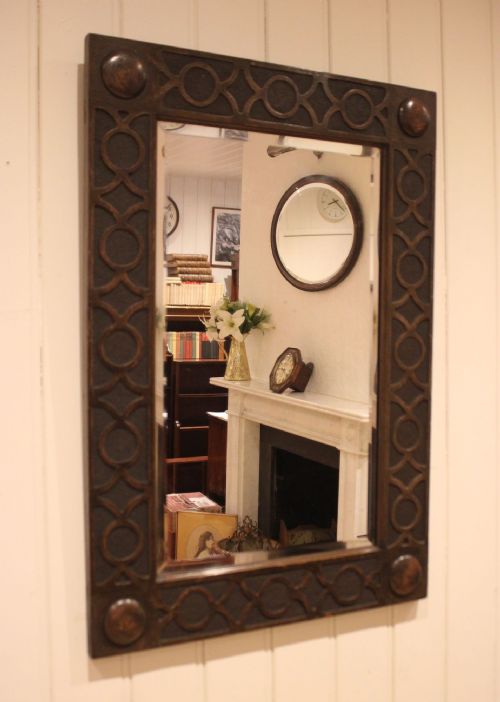


Brown Wood Hallway Mirror
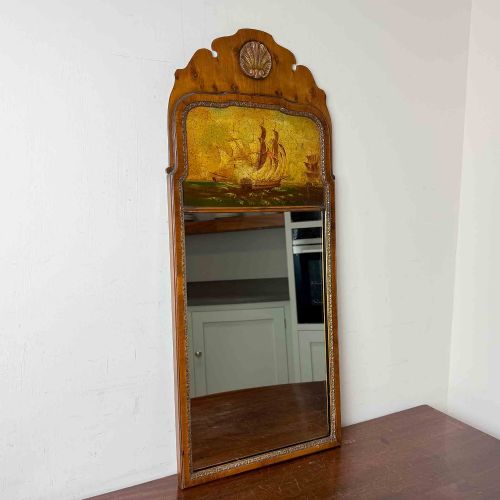
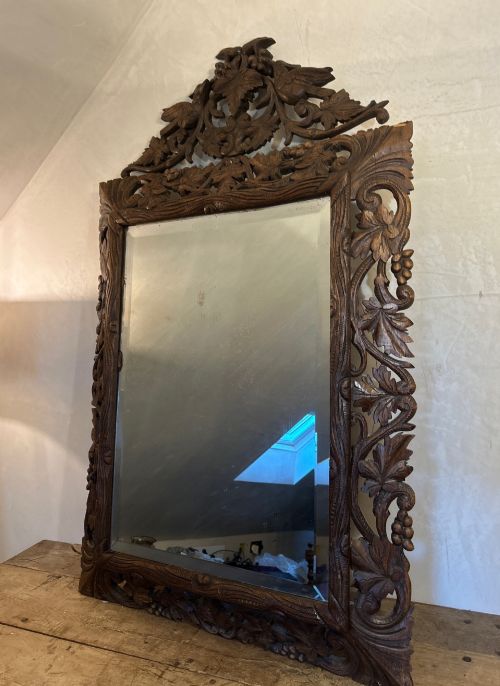
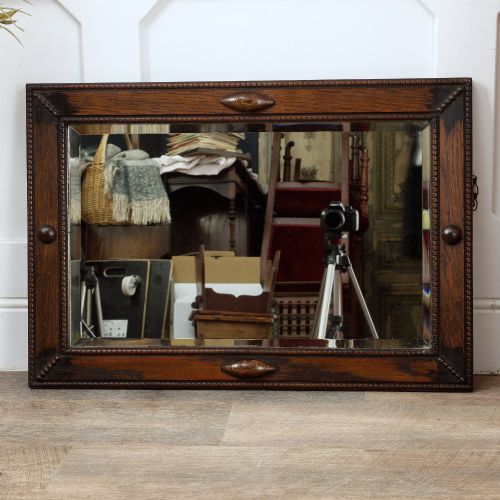
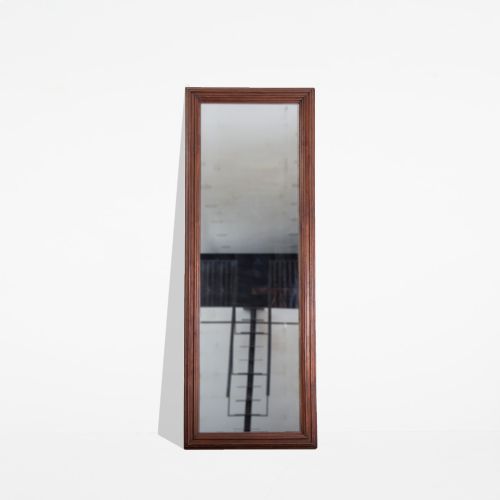
A brown wood hallway mirror anchors a traditional entrance, bringing warm timber tones and practical reflection to daily coming and going.
Brown Wood Hallway Mirror
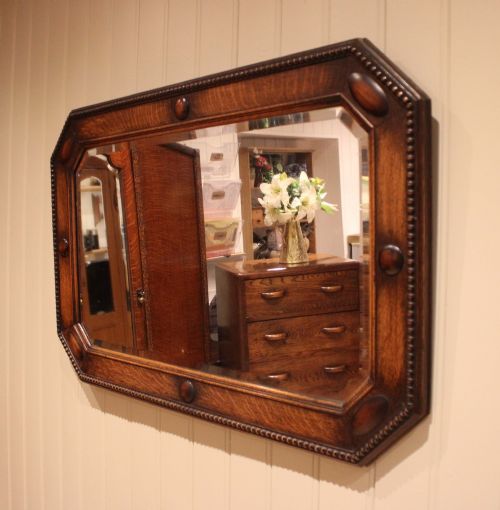
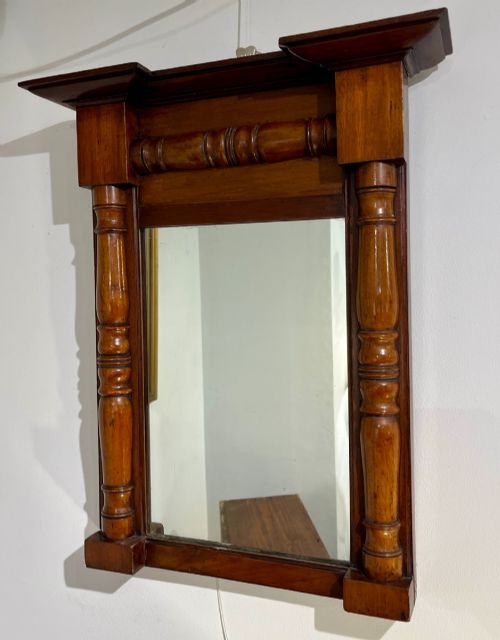
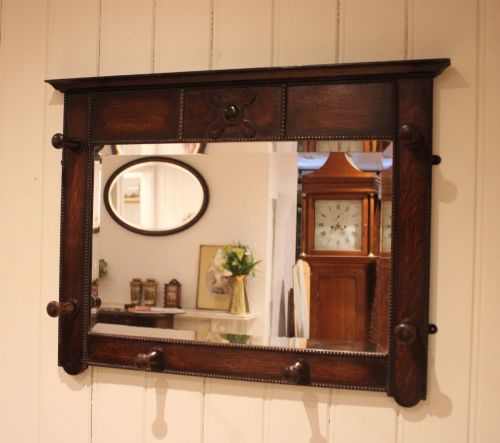
A brown wood hallway mirror serves both decorative and functional roles in a home entrance, spanning periods from the Georgian era through to the early twentieth century. These pieces range from simple rectangular wall hangings to elaborate hall stands incorporating coat hooks, shelves, and valet compartments.
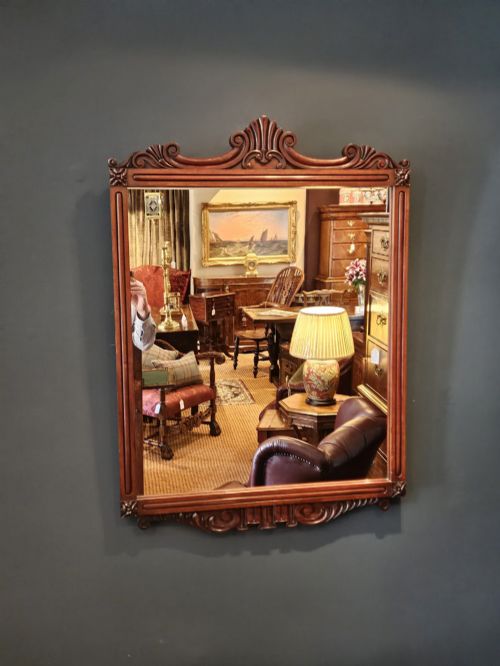
The selections available here lean heavily towards oak, mahogany, and walnut frames, frequently reflecting styles such as Edwardian, Victorian, and Georgian revivals. Buyers will most commonly encounter wall mirrors and tall hall mirrors fashioned in dark timbers that suit narrow corridors and reception spaces.
Beyond basic reflective glass, many examples integrate functional elements such as key cabinets, clothes hooks, and small ledges designed for everyday use. Their forms vary from plain timber mouldings to fret-cut outlines and carved details like egg and dart motifs.
Materials and Construction
Frames are constructed from solid and veneered timbers including mahogany, oak, walnut, and yew wood, often selected for rich grain patterns and deep natural colour. Secondary materials such as brass fittings, metal hooks, and marble tops appear on functional pieces like console tables and hall stands.
Glass plates are set within timber rebates, sometimes featuring bevelled edges to catch the light, accompanied by mirror glass and occasional giltwood accents. Cabinetmakers utilised traditional joinery techniques, hand-carving, and fret-cutting to shape the frames and decorative crests.
Listings feature timbers like mahogany, oak, walnut, and yew wood, spanning periods from Georgian to the early twentieth century.
Distinctions in Quality
The distinction between standard utility items and finer pieces lies in the choice of timber, such as figured mahogany or burr walnut, and the crispness of carved details like egg and dart borders. Superior examples often display thoughtful proportions, well-executed fret-cutting, and integrated accessories like operable key cabinets or sturdy coat hooks.
Age and regional origin also influence character, with eighteenth-century and nineteenth-century pieces showing hand-finished touches that differ from later mass-produced twentieth-century counterparts. The clarity of the mirror glass and the integrity of the wooden frame's joints determine the overall coherence of the piece.
The Brown Wood Hallway Mirror Glossary
- Pier mirror
- A tall mirror designed to hang on the narrow section of wall between windows, frequently paired with console tables below. They elongate the visual space of a hallway.
- Fret-cut
- A decorative technique involving intricate pierced patterns sawn through thin wood, commonly seen on Georgian revival mirror frames. This method creates light, geometric silhouettes.
- Hall stand
- A multi-functional hallway furnishing combining a mirror with coat hooks, umbrella stands, and small ledges or drawers. These pieces organise entranceways efficiently.
- Overmantle mirror
- A large mirror originally intended to hang above a fireplace mantelpiece, though frequently utilised in grand hallways and reception spaces. Their generous proportions capture ample light.
- Bevel-edged glass
- Mirror glass featuring an angled, polished perimeter that refracts light and adds depth. This detail indicates finer finishing.
Brown Wood Hallway Mirror: Frequently Asked Questions
Where should I hang a hall mirror?
Position your mirror near the main entrance at eye level to check your appearance before leaving the house. Placing it opposite a light source or window will also brighten a narrow corridor.
Ensure the wall structure can support the weight of timber frames, particularly heavier pieces equipped with shelves or coat hooks.
How do I care for antique wood and glass?
Dust the wooden frame regularly with a dry, soft cloth and avoid chemical polishes that build up residue over time. Apply occasional appropriate wax to nourish older timbers.
Clean the mirror glass with a mild glass cleaner applied to a cloth rather than sprayed directly, preventing moisture from seeping behind the silvered backing.
What is a hall stand?
A hall stand is a substantial piece of entrance furniture that combines a mirror with practical elements like clothes hooks, umbrella holders, and small storage ledges. They were designed for Victorian and Edwardian homes to manage outdoor garments.
Many examples include small cupboards or trays specifically for holding keys and calling cards.
How do I identify a revival style?
Revival styles borrow decorative motifs and construction methods from earlier eras, such as Georgian fret-cut woodwork or Queen Anne walnut forms, but date from the nineteenth or twentieth century. Look at the construction methods, backboards, and screw types to determine the actual period of manufacture.
Familiarising yourself with the specific proportions of original periods helps distinguish genuine antique items from later interpretations.