



Antique Mirror Tray
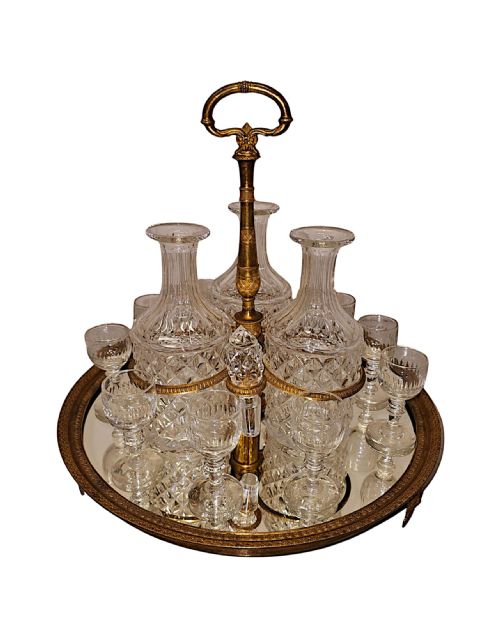
An antique mirror tray sits on a sideboard to hold decanters and glasses, bringing reflective depth and period charm to a room.
Antique Mirror Tray
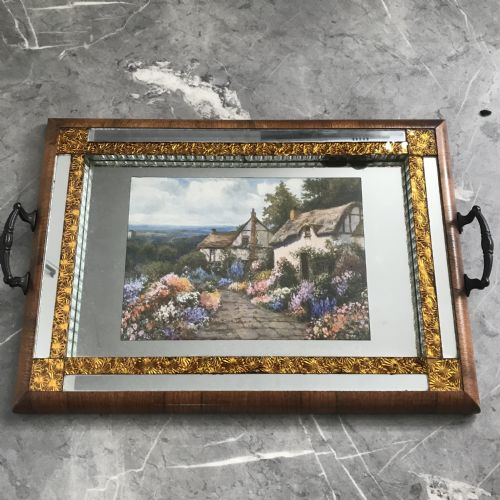
An antique mirror tray combines a reflective glass base with a raised metal, wood, or plated frame designed for serving drinks or displaying table wares. These pieces date from the nineteenth century through the Art Deco era of the 1930s, reflecting changing domestic interiors and entertaining habits.
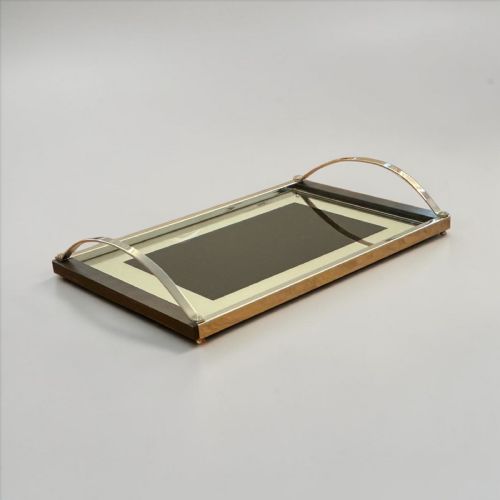
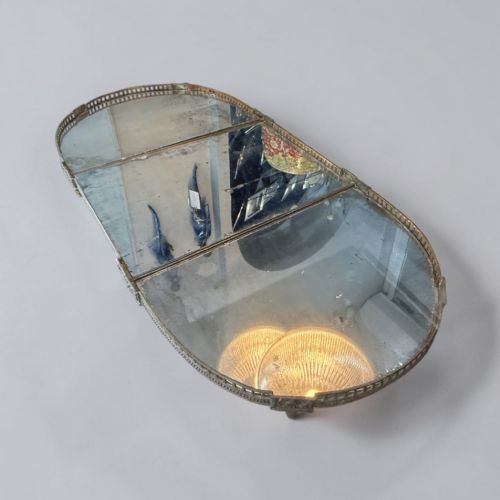
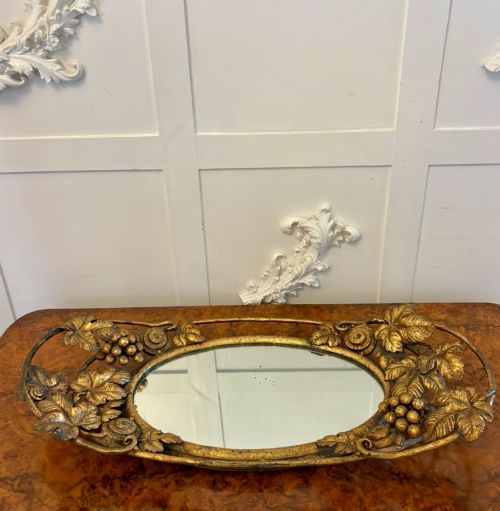
The selections span delicate Edwardian gilt metal grape vine motifs and heavy Victorian silver plated table plateaus to geometric Art Deco designs with copper handles. While the search centres on trays, the broader record also includes related mirrored table plateaus and smaller vanity pieces.
Buyers encounter diverse regional flavours, from French silver plated sideboard trays and Italian cut glass examples to Czech decanter sets and English pewter table plateaus. Each item utilises mirrored glass to amplify light and showcase glassware or bottles placed upon it.
Materials and construction
Frames rely on sturdy foundations of oak, walnut veneer, ebony, or metals such as brass, copper, pewter, and silver plate. Craftsmen shaped these materials into raised galleries and secured handles to support the weight of bottles and glassware.
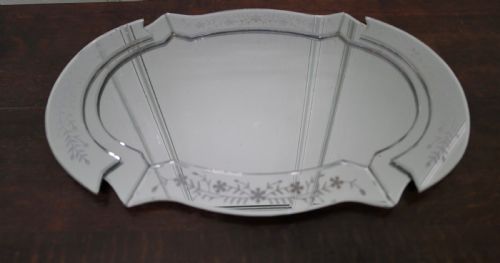
The central surfaces utilise heavy mirror plate, often bevelled at the edges, and occasionally decorated with delicate etching or cut glass detailing. Metal mounts and handles are screwed or soldered to the main frame to ensure stability during use.
Antique Mirror Tray Retail Price Guide 2026
Typical asking prices for mirror tray among the pieces listed under this phrase on Sellingantiques today, from the lower quarter to the upper quarter. They describe what is for sale here now, not the wider market.
One versatile item in the archive doubles as a sorcerer's wall mirror when it is not busy holding drinks.
Evaluating craftsmanship and condition
Quality rests in the crispness of the frame's detailing, whether through hand-carved wood, chased metal vine work, or precise geometric Art Deco lines. Superior pieces maintain tight joins in the gallery and secure mounting of the handles.
The integrity of the mirror glass dictates much of the appeal, with finer items showing minimal foxing, scratching, or silver loss across the reflective surface. Original backing boards and intact feet further separate standard examples from superior survivals.
Gillows·Mosey
The Antique Mirror Tray Glossary
- Mirror plateau
- A large mirrored tray placed in the centre of a dining table to hold candelabras, floral arrangements, or dessert displays. These often feature heavy silver plated or pewter mounts.
- Foxing
- Small brown spots or speckles that develop on older mirrors as the silver backing oxidises over time. This age-related patina is common in nineteenth-century glass.
- Gallery
- A raised rim or border around the edge of a tray designed to prevent decanters and glasses from sliding off. Galleries can be pierced, cast, or constructed from turned wood.
- Silver plate
- A thin layer of silver fused or electroplated onto a base metal such as copper, brass, or pewter. This technique provided the appearance of solid silver at a lower cost.
- Bevelled edge
- A sloping edge cut and polished around the perimeter of the mirror glass. This treatment catches the light and adds depth to the panel.
Antique Mirror Tray: Frequently Asked Questions
What was an antique mirror tray used for?
These trays served primarily for holding and serving decanters, wine glasses, and cocktail sets upon sideboards and dining tables. They also functioned as table plateaus for displaying centrepieces.
In domestic settings, the reflective glass amplified the sparkle of crystal glassware and bounced candlelight around the room during evening gatherings.
How do I clean an antique mirror tray?
Maintenance requires a soft, dry cloth for dusting the frame and gentle cleaning of the glass surface using a mild, non-ammonia cleaner applied to the cloth rather than sprayed directly. This prevents moisture from seeping behind the glass.
Harsh chemical polishes should be avoided near the edges of the mirror plate and on plated or wooden frames to preserve the original finish.
How can I tell the period of a mirror tray?
Dating relies on stylistic clues and construction methods, such as the geometric lines and copper handles characteristic of 1930s Art Deco pieces. Victorian and Edwardian examples often feature heavier silver plating, ornate gilt metal vine motifs, or carved wooden galleries.
The weight of the glass, the style of the backing, and the fasteners used on the frame also provide clear indicators of age.
Can I use an antique tray for daily serving?
Routine use is entirely possible provided the tray is handled with care and kept away from excessive moisture that could damage the antique backing or wood. Placing felt pads underneath bottles protects the original mirror plate from scratches.
Heavier table plateaus are best left in a stationary position on a sideboard or table rather than carried around frequently.