


Gilt Serving Tray
When you search for a gilt serving tray, you are looking at items designed to present food or drinks with decorative surfaces that reflect light.
Gilt Serving Tray
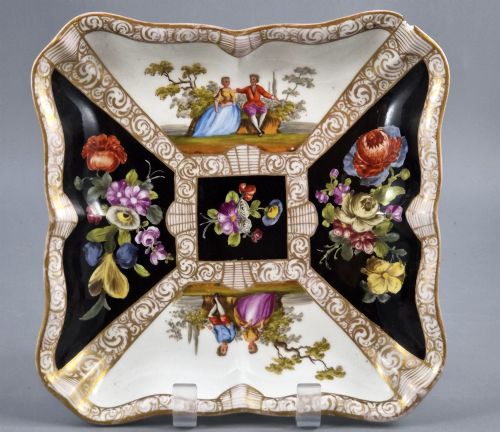
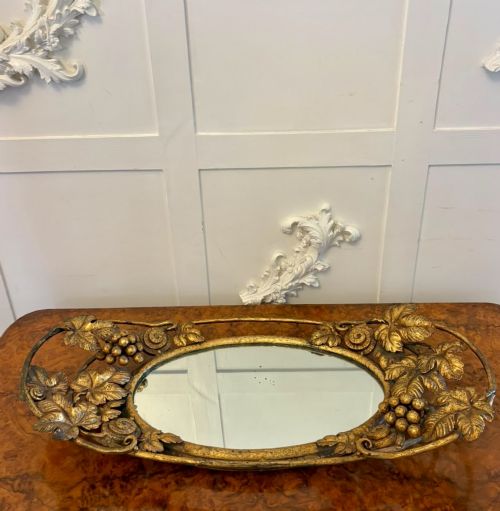
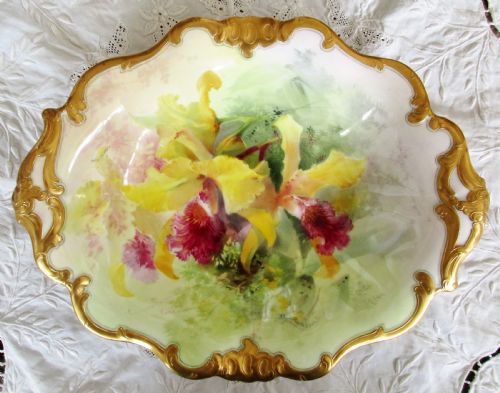
A gilt serving tray bridges utilitarian dining and ornamental display, taking the form of platters, dishes, and tables intended for serving or presentation. The selection spans numerous centuries, ranging from eighteenth-century examples to pieces from the early twentieth century.
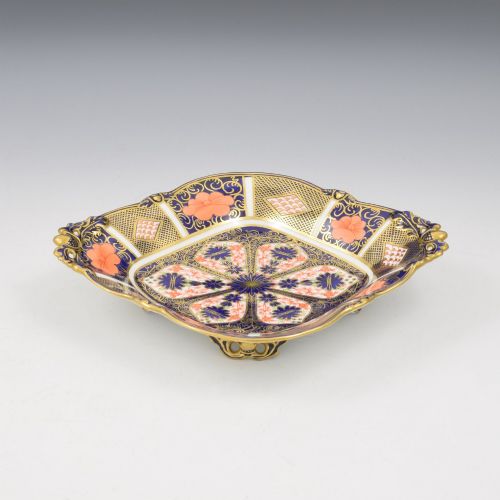
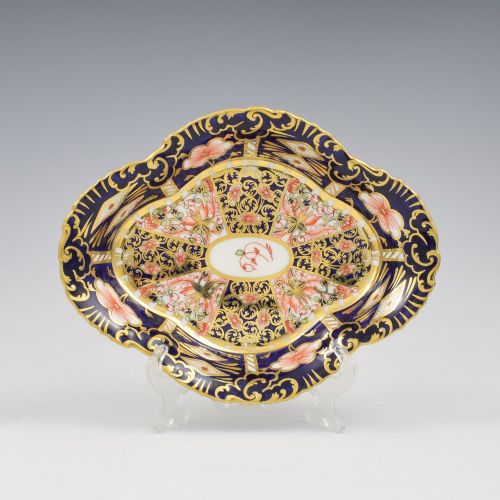
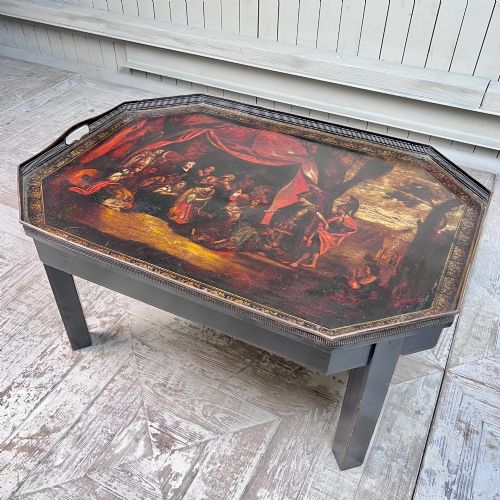
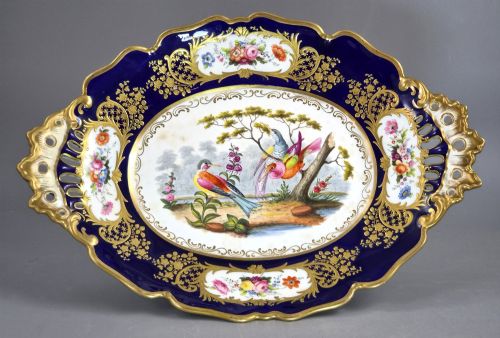
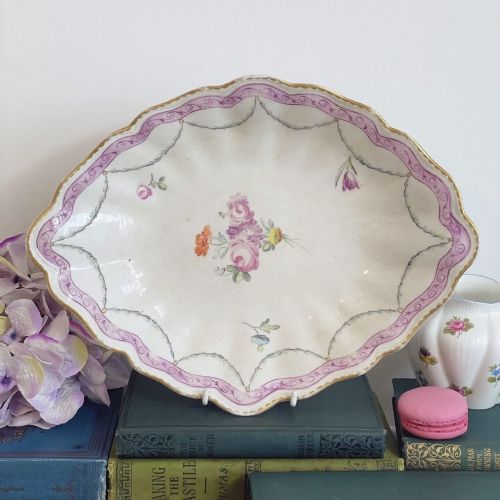
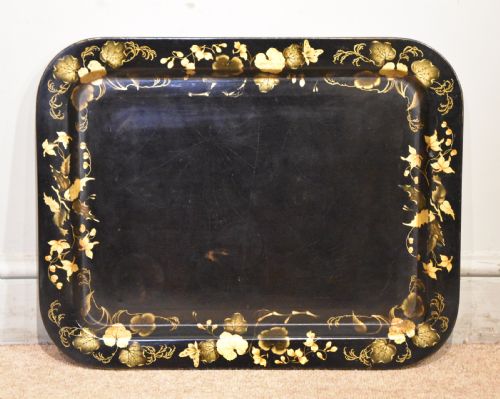
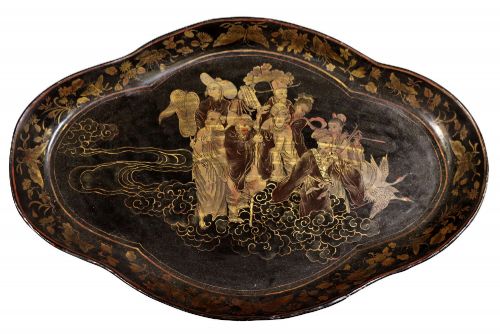
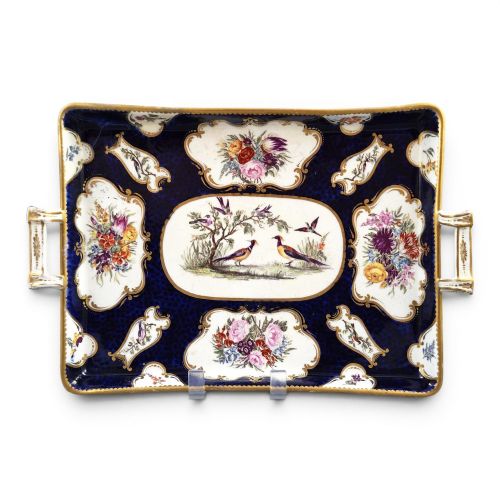
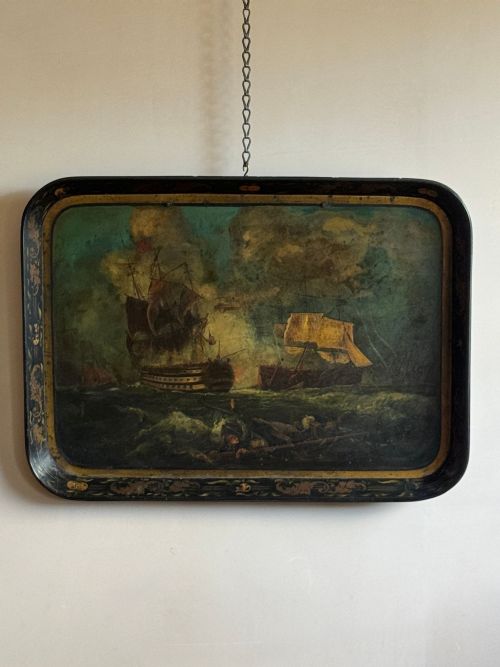
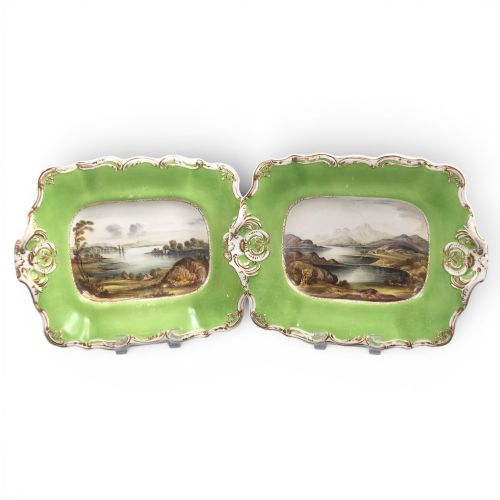
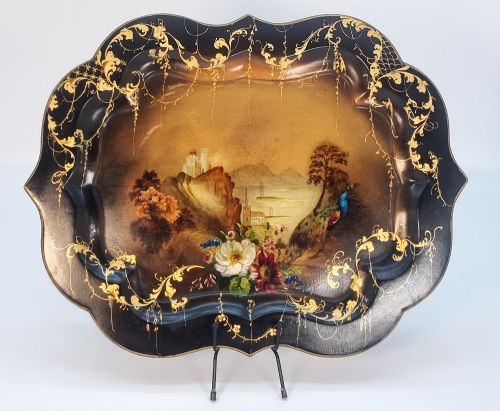
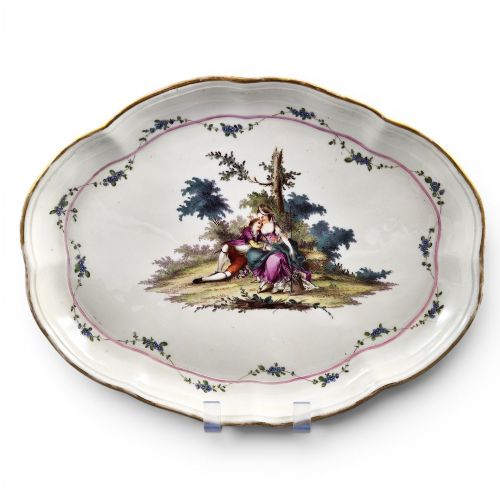
The most frequent items on this page are papier-mâché and toleware trays, often paired with stands to function as tables, alongside porcelain dishes adorned with hand-painted scenes or patterns.
Origins include English, French, German, Chinese, and Japanese makers, reflecting diverse aesthetic movements such as Regency elegance, Victorian Chinoiserie, and Rococo Revival.
How they were made
Papier-mâché trays utilise layers of paper pulp mixed with glue and resin, pressed in moulds and dried before receiving layers of lacquer and gilt decoration. This technique yields a rigid yet lightweight base capable of holding intricate painted scenes.
Ceramic trays and dishes combine clay bodies such as porcelain or earthenware with hand-applied polychrome enamels and gilding, fired to secure the pigment and gold leaf. Toleware relies on metal substrates finished with durable painted surfaces and gilt accents.
Gilt Serving Tray Retail Price Guide 2026
Typical asking prices for gilt serving tray among the pieces listed under this phrase on Sellingantiques today, from the lower quarter to the upper quarter. They describe what is for sale here now, not the wider market.
One massive eighteenth-century papier-mâché tray is dedicated entirely to fishing interest.
What varies in quality
The standard of a gilt serving tray depends on the precision of the hand-painting, the complexity of the gilded motifs, and the preservation of the original surface. Master painters and renowned workshops execute details with greater finesse and narrative depth.
Structural integrity of the base material, whether papier-mâché, porcelain, or metal, influences durability and refinement. Pieces retaining their original stands, makers' marks, or untouched lacquer finishes command higher regard.
Jennens and Bettridge·Royal Crown Derby·Coalport·Meissen·Royal Doulton·Copeland and Garrett·Joseph Gaspard Robert·Minton·Paul Müller Selb·Samson Paris·Royal Worcester·Spode·KPM
The Gilt Serving Tray Glossary
- Toleware
- Painted or lacquered sheet metal items, often decorated with gilt details and popular in domestic settings. These pieces emulate Asian lacquerwork using European metalworking techniques.
- Papier-mâché
- A composite material made from paper pulp or reinforced paper sheets, moulded and dried to form rigid trays. It provides a smooth surface for elaborate japanning and gilding.
- Gilding
- The application of gold leaf or powder to a surface to impart a metallic golden finish. This technique highlights rims, handles, and painted borders on ceramics and trays.
- Imari
- A style of ceramic decoration featuring cobalt blue, iron red, and gold, originating in Japan and copied in Europe. It appears on porcelain dishes and serving trays.
- Chinoiserie
- European interpretations of Chinese and East Asian artistic traditions, prominent in tray decoration. Designs typically incorporate imaginary landscapes, figures, and pavilions.
Gilt Serving Tray: Frequently Asked Questions
What is a gilt serving tray used for?
These items served to carry beverages, desserts, or small dishes during social gatherings in affluent households. They also functioned as decorative display pieces on tables or sideboards.
Over time, many larger papier-mâché examples were mounted onto folding stands to create permanent tray tables for daily interior use.
How do I identify papier-mâché trays?
Papier-mâché feels surprisingly light yet rigid, with a smooth dark surface often finished with black lacquer and gilt ornamentation. Examining the underside usually reveals the matte texture of the compressed paper layers.
Many nineteenth-century examples bear the impressed or stamped marks of prominent makers such as Jennens and Bettridge on the reverse.
Are these trays suitable for daily use?
Most antique serving trays require careful handling to preserve delicate hand-painted surfaces and fragile gold leaf. Moisture and abrasive cleaners can damage nineteenth-century lacquer and enamel.
Using them for dry presentation or decorative display helps maintain their condition over time.
How can I tell different periods apart?
Stylistic clues such as Regency curves, Victorian Chinoiserie motifs, and Edwardian metalwork help establish the date of manufacture. Ceramic pieces often feature backstamps or specific painter signatures that narrow down the production era.
Examining the manufacturing technique, from early papier-mâché formulations to later porcelain bodies, provides further chronological context.