


Clear Glass Tray
Clear glass tray items span centuries of functional tableware and decorative plates, offering versatile utility and refined transparency.
Clear Glass Tray
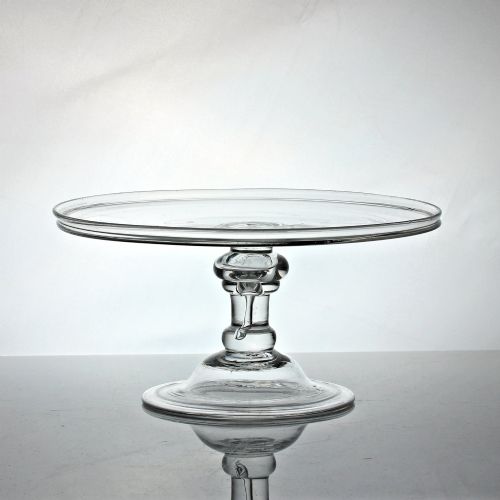
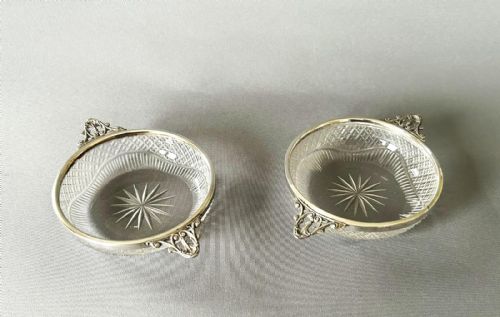
A clear glass tray encompasses serving dishes, decorative plates, trinket dishes, and tazzas found across Georgian, Victorian, Edwardian, and Art Deco periods. These forms range from heavy lead crystal serving pieces and tazzas with folded feet to opalescent plates and silver-plated mounts.
The objects frequently serve practical dining functions, vanity organisation, or decorative display within interiors. Buyers meet items from varied origins including English, Italian Murano, and German workshops.
Earlier examples lean towards Georgian baluster tazzas, whilst later twentieth-century iterations embrace Art Deco geometric mirrors and opalescent glass dishes. Each piece combines transparency with functional surface area for serving or display.
What varies in quality
Quality separates through the weight and clarity of the crystal, alongside the precision of hand-cut facets and starburst patterns. Superior pieces display substantial heft in heavy lead crystal and fine detailing in etched or opalescent motifs.
The integration of secondary materials like silver plating and fitted metal mounts influences the overall refinement of the object. Master craftsmanship in period examples demonstrates sharper execution in decorative borders and structural balance.
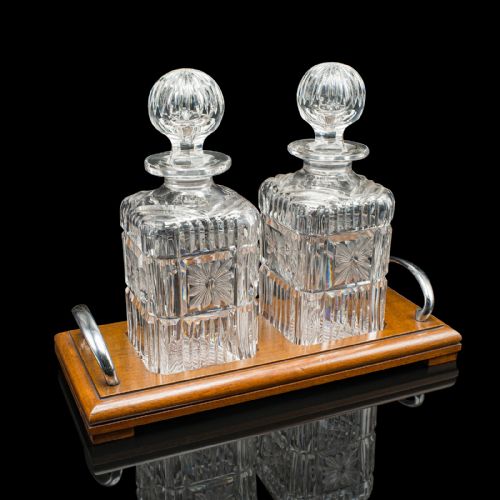
Some trays come with clever silver-plated mounts designed specifically to keep mischievous decanters from sliding off during lively dinner parties.
Rene Lalique·Mappin & Webb·WMF
The Clear Glass Tray Glossary
- Tazza
- An elevated shallow bowl or plate on a central foot. These serving pieces feature prominently in eighteenth-century English glass.
- Lead Crystal
- A heavy glass variety containing metal oxide for increased brilliance and weight. This material allows deep, sharp hand cutting.
- Opalescent Glass
- Glass that diffuses light with a milky, iridescent appearance. This technique defines several notable twentieth-century decorative plates.
- Silver Plate
- A thin layer of silver fused to a base metal. Many serving trays and trinket dishes combine this technique with clear glass liners.
- Baluster
- A moulded stem with a swelling contour resembling a small architectural pillar. It frequently supports Georgian tazza bowls.
Clear Glass Tray: Frequently Asked Questions
What is a clear glass tray used for?
These pieces serve multiple functions across dining and dressing tables, functioning as serving trays, decanter sets, and trinket dishes. They hold glassware, appetisers, or small personal items securely while displaying the surface beneath.
Their transparent nature allows them to blend easily into various table settings and room schemes without visual clutter. Period examples often double as decorative display plates or centrepieces.
How do I date a clear glass tray?
Dating relies on observing stylistic markers, manufacturing techniques, and material composition associated with specific periods like Georgian, Victorian, or Art Deco. Georgian pieces often feature baluster stems and folded feet, whereas Art Deco items display geometric forms or opalescent finishes.
Comparing the edge work, cutting style, and any accompanying silver-plated mounts helps narrow the era of production. Maker signatures or hallmarks on integrated metal parts provide definitive chronological anchors.
Are these trays suitable for daily use?
Many sturdy lead crystal and silver-plated serving trays handle regular use well when handled with reasonable care. Heavier twentieth-century pieces offer durability for serving drinks or displaying items in everyday settings.
Delicate antique tazzas or thin opalescent decorative plates require more cautious handling to avoid chips or surface scratching. Assessing the weight and construction of each individual piece determines its practicality for daily routines.