



Vintage Vanity Mirror Tray
These vintage vanity mirror tray pieces bring dressing tables and drinks service alive with reflective glass and decorative metalwork.
Vintage Vanity Mirror Tray
A vintage vanity mirror tray combines a reflective mirror plate with a raised frame, serving surface, or handles. These objects function as decorative tabletop accessories for display, drinks, or cosmetics.
Most examples found here span the Edwardian period through to the 1930s. Art Deco and Venetian styles dominate the selection alongside utilitarian Edwardian designs.
Forms include rectangular wine trays, drinks trays, valet sets, and small mirror plateaus. Buyers encounter surfaces finished with cut glass, etched details, and contrasting metal rims.
How they were made
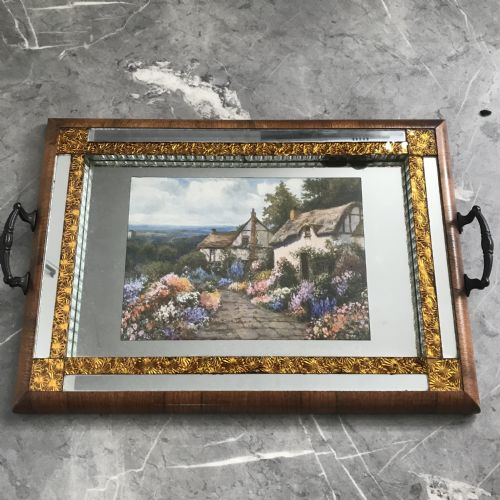
Constructed primarily from mirror glass and mirrored glass plates, these trays rely on sturdy metal or wooden foundations. Frameworks utilise chrome, silver plate, gilt metal, copper, and walnut veneer.
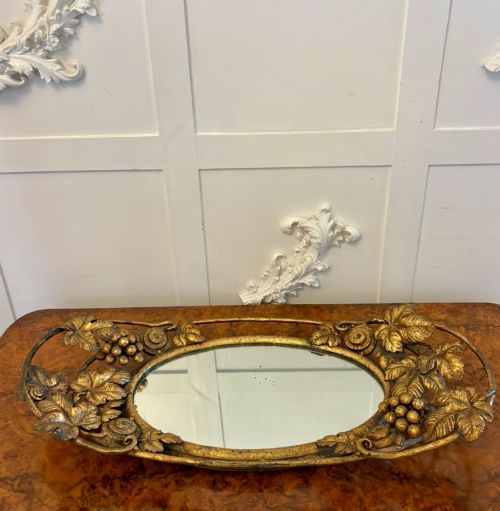
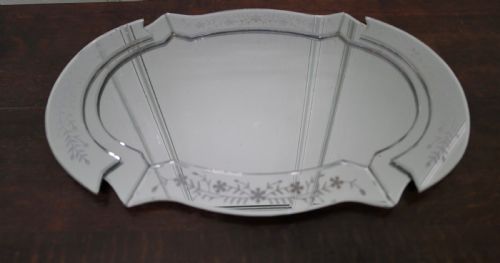
Decoration often involves wheel-cut or etched designs directly onto the glass surface. Frames are shaped into octagonal geometries or fitted with decorative grapevine motifs and handles.
Vintage Vanity Mirror Tray Retail Price Guide 2026
Typical asking prices for vintage vanity mirror tray among the pieces listed under this phrase on Sellingantiques today, from the lower quarter to the upper quarter. They describe what is for sale here now, not the wider market.
Some trays double as impromptu stages for miniature perfume bottles to practice their red-carpet walks.
What varies in quality
Quality rests on the depth of the metalwork and the clarity of the mirror plate. Thick silver plating, substantial gilt mounts, and genuine walnut veneer elevate a piece above simpler constructions.
Artistry in the glass itself sets superior items apart, seen in crisp Venetian cut work and delicate wheel-etching. The integration of handles and framing demonstrates the maker's precision.
The Vintage Vanity Mirror Tray Glossary
- Mirror plateau
- A flat mirrored base fitted with a low rim, historically used as a table centrepiece for candelabras or decanters.
- Silver plate
- A thin layer of silver fused to a base metal such as copper or brass, common in decorative tray frames.
- Walnut veneer
- A thin slice of decorative walnut wood applied over a secondary timber core for cabinet and tray construction.
- Valet set
- A matched collection of dressing table accessories, incorporating mirrors, brushes, and trays for personal organisation.
Vintage Vanity Mirror Tray: Frequently Asked Questions
What were vintage mirror trays used for?
These pieces served multiple domestic purposes across dressing rooms and reception halls. They held perfume bottles, cosmetics, and brushes on dressing tables.
In entertaining spaces, they functioned as stylish drinks trays for wine, cocktails, and glassware during the Edwardian and Art Deco eras.
How do I style a mirror tray at home?
Place the tray on a sideboard, coffee table, or dressing chest as a reflective base for smaller decorative objects. Group items of varying heights, such as crystal decanters, small vases, or perfume bottles.
The mirrored surface amplifies light and creates a defined visual grouping for your display.
How do I identify an Art Deco mirror tray?
Art Deco examples typically date from the 1920s and 1930s, featuring geometric shapes and streamlined metal frames. Look for octagonal outlines, copper or silver-plated handles, and clean lines.
Etched glass patterns from this era often display stylised floral or abstract motifs rather than heavy Victorian ornamentation.
What is the difference between an Edwardian and a 1930s tray?
Edwardian pieces, dating from around 1900 to 1910, frequently incorporate ornate metalwork such as gilt grapevine frames or dark wood supports. They lean towards traditional decorative arts.
Trays from the 1930s embrace modernist geometric forms, frameless constructions, and polished chrome or mirrored surfaces suited to the Art Deco aesthetic.