



Antique Mirror Original Glass
When you search for an antique mirror original glass, you are looking for centuries of craftsmanship paired with untouched silvering that reflects the past.
Antique Mirror Original Glass
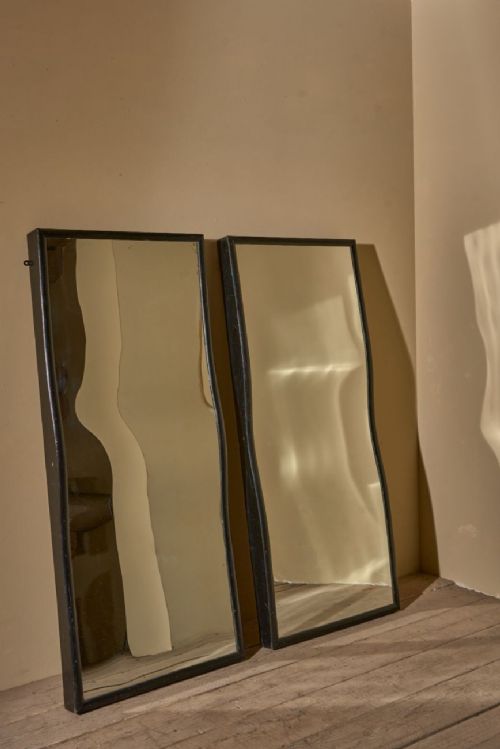
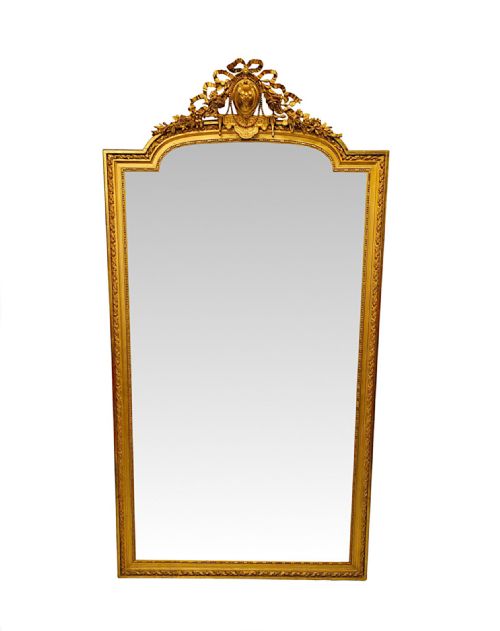
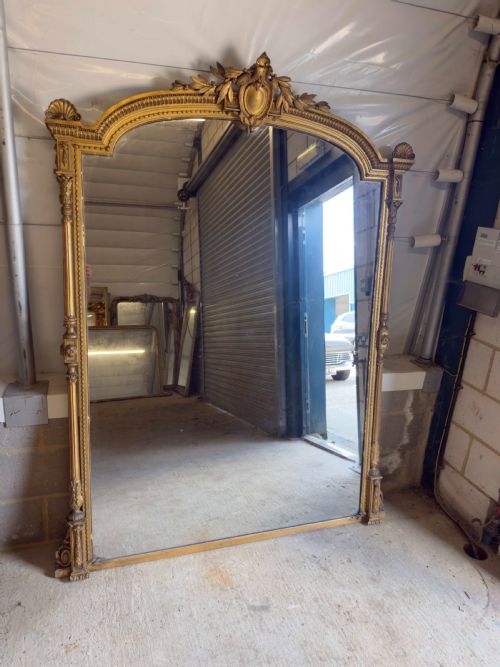
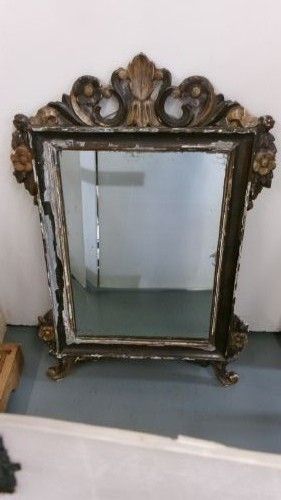
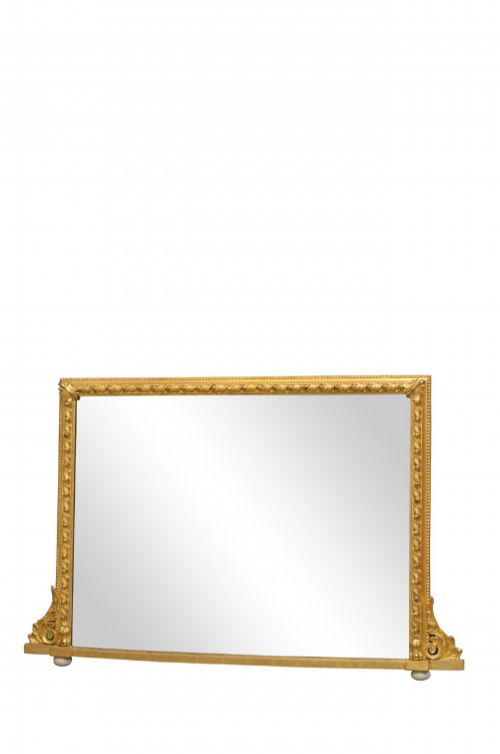
An antique mirror original glass brings together period frames and surviving historic plates, maintaining the exact reflection recorded by centuries of previous owners. Buyers searching this phrase will find a wide variety of forms, from large architectural overmantels to smaller dressing and wall pieces.
The selection ranges from Georgian walnut and mahogany wall designs to grand nineteenth-century giltwood overmantels and French Louis Philippe styles. Pier mirrors, brass bistro pieces, and decorative Italian cartouche frames also appear across the inventory.
Originating from English, French, Italian, and Austrian workshops, these items span the eighteenth, nineteenth, and early twentieth centuries. Each surviving plate tells a story through its distinctive surface character and untouched framing.
Distinctions in quality and preservation
The integrity of the original glass plate relative to the frame dictates the overall standard of a piece. Untouched surface finishes and crisp, deep carving in the gesso separate standard examples from finer works.
Proportion and structural survival matter significantly, particularly in large overmantels where the original backboards and fitting pins remain intact. The harmony between the original gilding and the natural ageing of the glass defines the upper tiers.
The Antique Mirror Original Glass Glossary
- Mercury glass
- A type of antique mirror plate produced by pouring a tin and mercury amalgam behind the glass. This method creates a deep, dark reflection and is prone to charming spots of degradation.
- Foxed glass
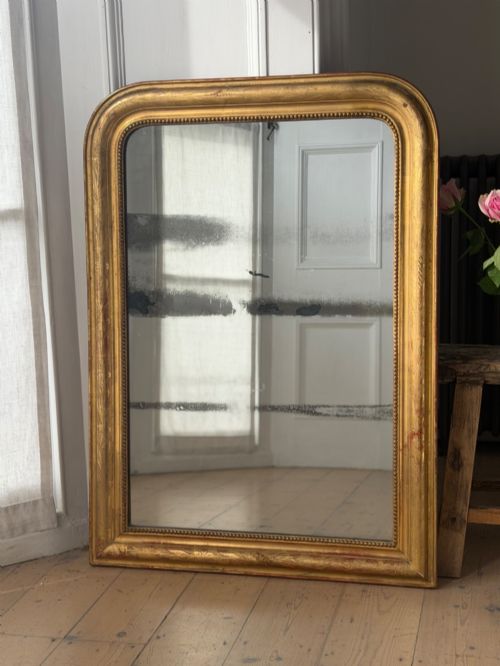
- Mirror plates showing spots, speckles, or discoloration caused by the degradation of the reflective backing over decades or centuries. Collectors prize this authentic ageing for its atmospheric appearance.
- Gesso
- A plaster-like mixture applied to wood frames and carved before being gilded or painted. It allows for intricate, sharp decorative detailing.
- Giltwood
- Wood that has been coated with a thin layer of gold leaf or gold paint. It forms the lustrous finish seen on many Georgian and Victorian frames.
- Pier mirror
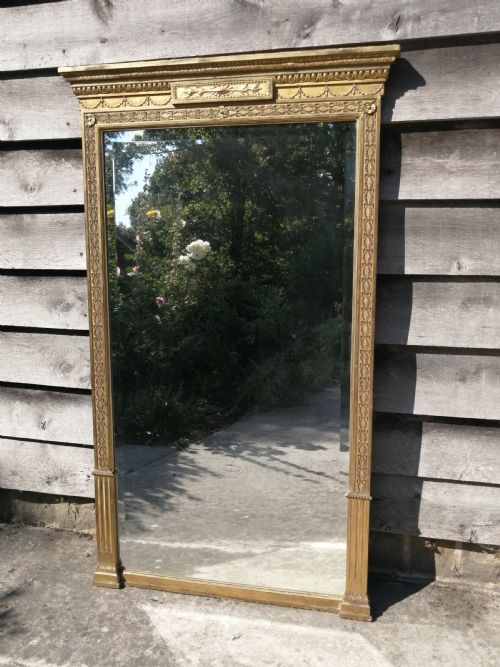
- A tall, narrow mirror designed specifically to hang on the wall space between windows. They frequently feature original mercury plates and matched console tables.
- Overmantel mirror
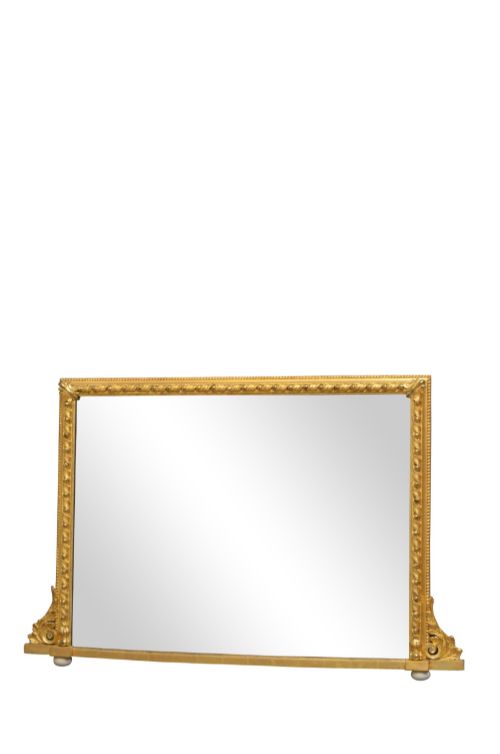
- A wide mirror designed to sit directly above a fireplace mantel. These pieces often anchor the decorative scheme of a period room.
Antique Mirror Original Glass: Frequently Asked Questions
How can I tell if the mirror glass is truly original?
Original glass typically displays age-related characteristics such as foxing, slight distortions, and backing wear consistent with the frame's age. Examining the fitting pins and the rear of the frame often reveals whether the plate has remained undisturbed since manufacture.
Furthermore, the reflection in an old plate feels softer and deeper than modern float glass. Any mismatch between the wear on the plate and the condition of the frame suggests later replacement.
What causes the dark spots on antique mirrors?
The dark spots, commonly known as foxing, occur when moisture slowly seeps behind the glass and reacts with the silvering or mercury backing. This chemical breakdown is entirely natural and develops over very long periods.
Far from being a fault, this patination proves the age of the plate. Many buyers specifically seek out foxed glass for its distinct historical character.
How do I care for an antique mirror with original glass?
Cleaning requires a soft, dry microfiber cloth to remove dust without disturbing the delicate surface. Avoid commercial glass cleaners containing ammonia or harsh chemicals, as they can seep behind the edges and damage the original backing.
Keep the piece away from direct sunlight and damp environments to prevent further degradation of the frame and silvering. Gentle handling preserves both the wood and the vulnerable historic plate.
Where should I hang a heavy overmantel mirror?
Heavy overmantel mirrors require secure attachment directly into solid wall studs or masonry using appropriate fixings rated for significant weight. Because these pieces often feature dense carved wood and thick glass, professional installation is recommended.
Ensure the mantelpiece or wall brackets can adequately support the base of the frame before releasing the weight. Proper anchoring prevents accidental shifting and protects both the frame and the original glass.