
Antique Mirror Dressing Desk
These antique mirror dressing desks combine a writing surface and a looking glass, offering a practical setup for daily grooming found across Victorian, Edwardian, and Art Deco eras.
Antique Mirror Dressing Desk
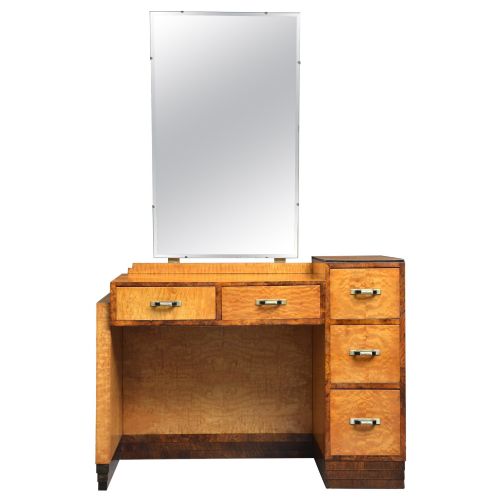
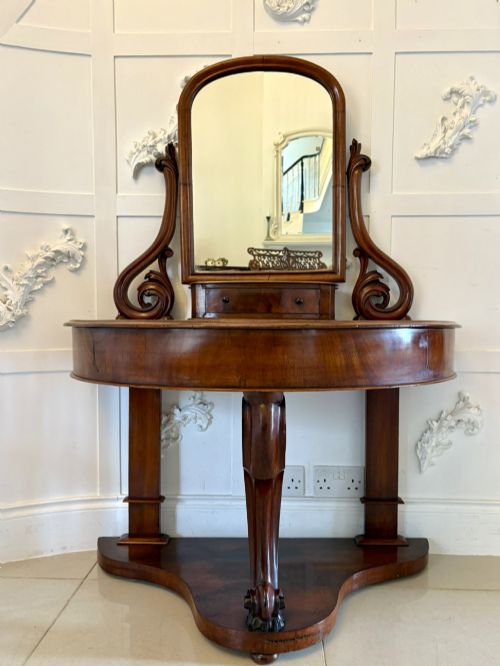
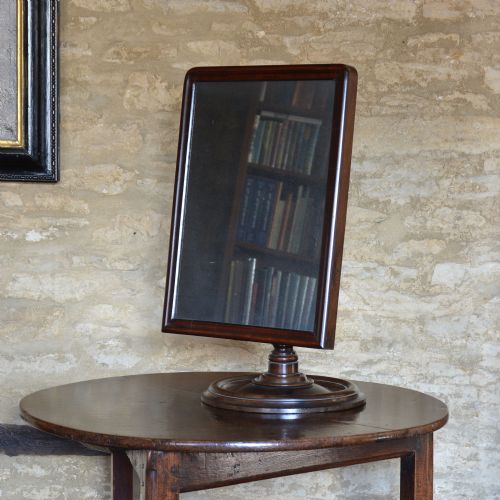
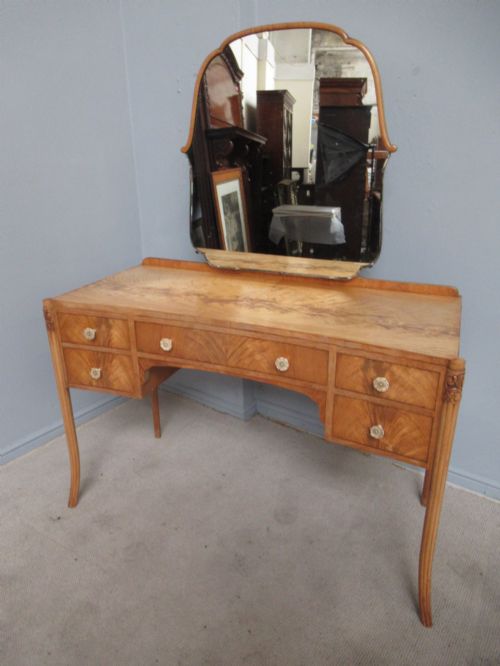
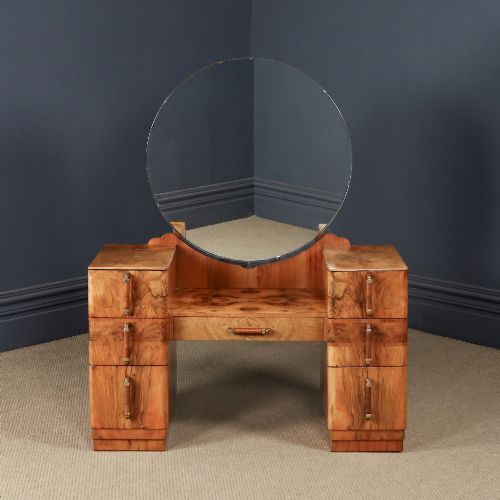
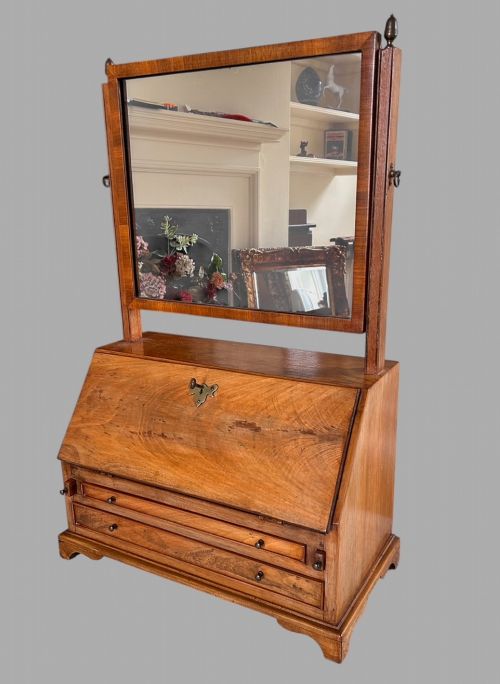
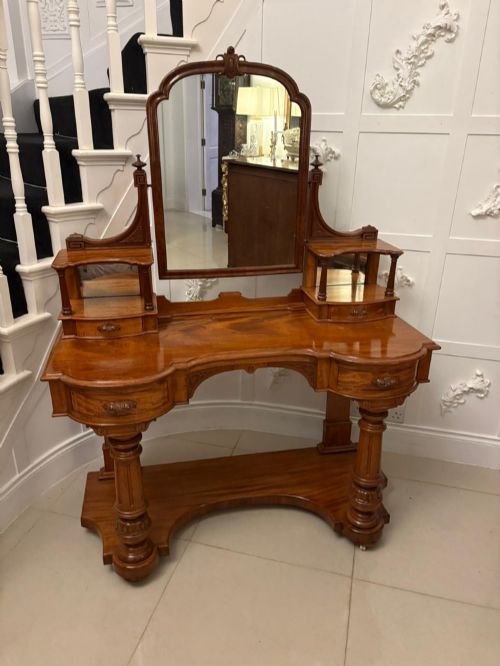
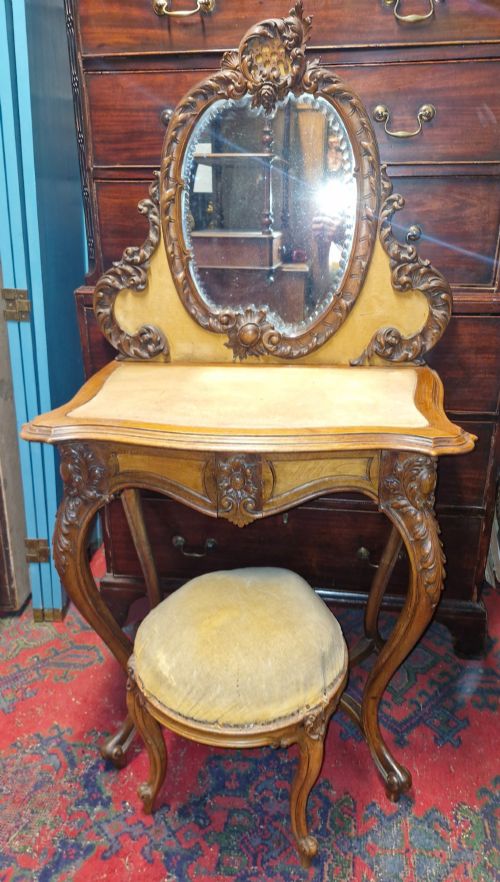
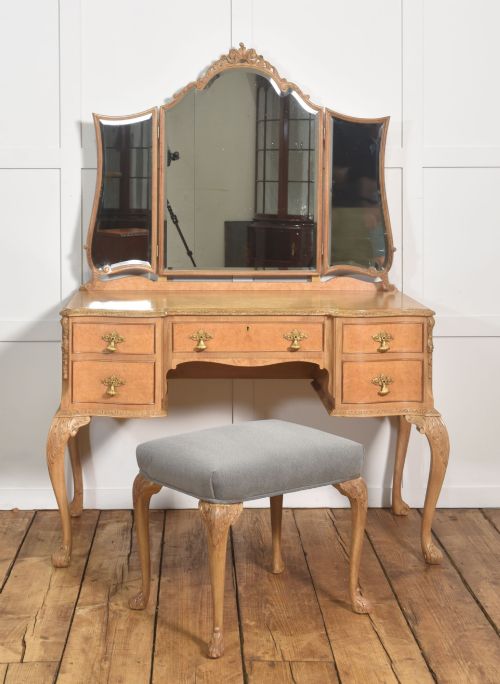
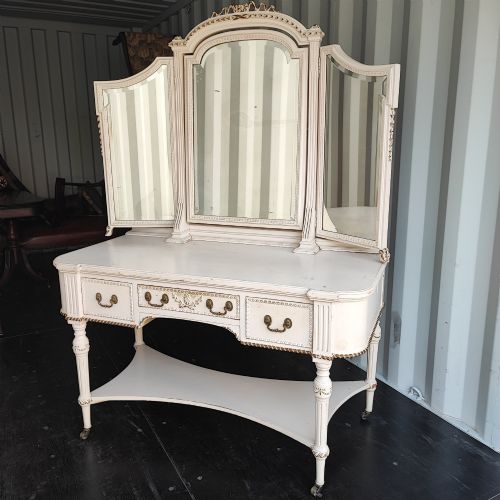
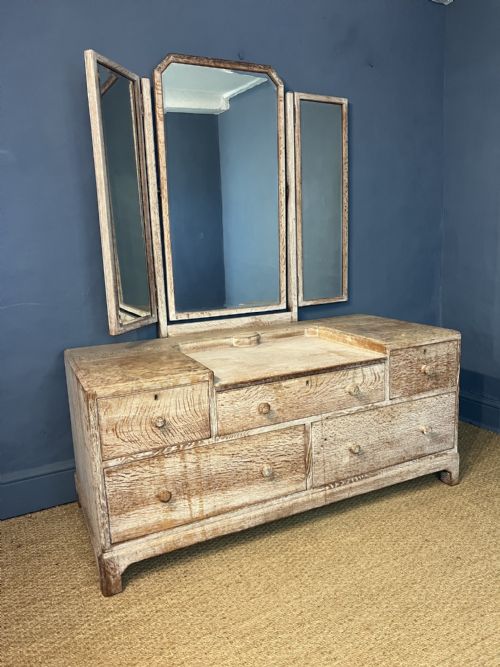
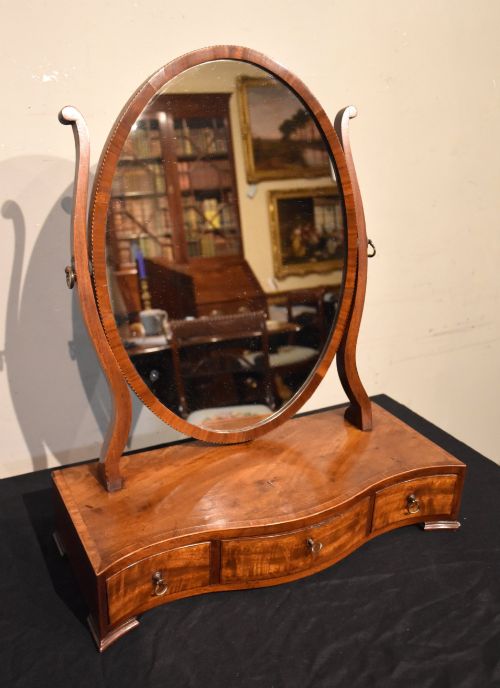
An antique mirror dressing desk unites a surface for writing or grooming with an integrated mirror, spanning forms from compact tabletop bureau mirrors to large pedestal dressing tables. The pieces on this page originate from periods including the eighteenth century, the Victorian era, and the nineteen-thirties, reflecting changing domestic habits.
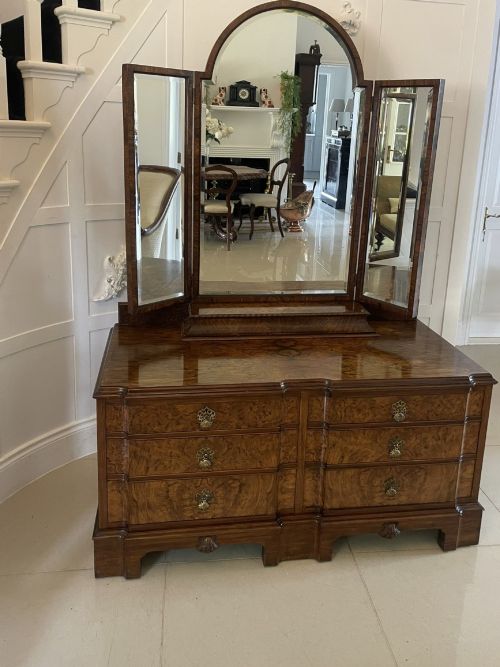
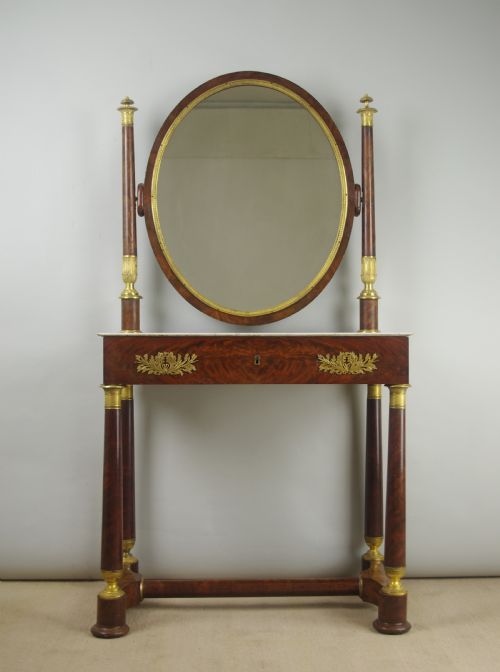
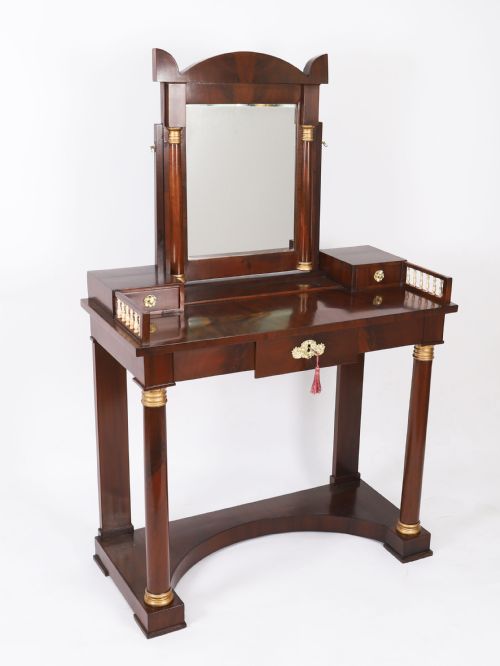
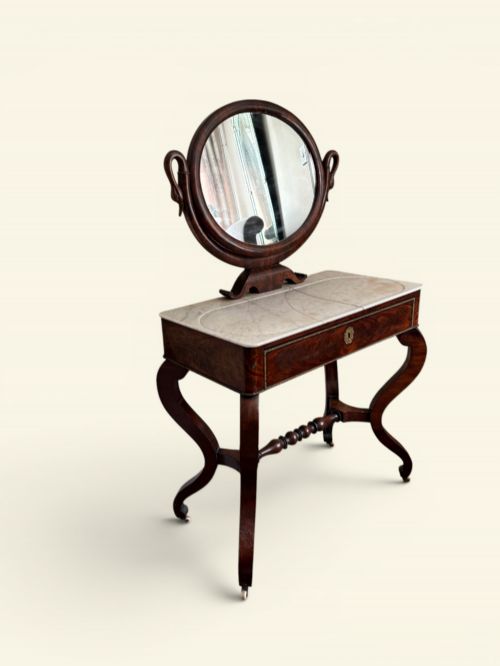
Buyers frequently encounter mahogany and walnut dressing tables featuring single, triple, or adjustable shield mirrors. Variations include Georgian serpentine fronted pieces, Edwardian satinwood items, and French Empire designs mounted with ormolu.
Materials and methods of construction
Cabinet makers utilised dense hardwoods such as mahogany, oak, and walnut, often employing figured burr walnut or satinwood veneers for decorative surfaces. Boxwood stringing, hand-carved details, and marquetry frequently ornament the drawer fronts and framing.
Mirrors utilise silvered glass secured within pivoting frames or fixed superstructures, sometimes supported by easel backs or cast bronze and pewter mounts. French pieces incorporate marble tops and applied giltwood, brass, or ormolu hardware.
Several pieces include hidden bureau fitments and secret compartments for stashing away love letters or loose powder.
Factors that separate grades of quality
The distinction between ordinary and superior pieces rests upon the choice of timber and the precision of the cabinet work. Finely figured burr veneers, deeply carved mouldings, and robust structural joinery mark out the better examples.
Maples of London and Paris·Heals
The Antique Mirror Dressing Desk Glossary
- Ormolu
- Gilt-bronze decorative mounts applied to furniture, common in French Empire designs. These cast elements add metallic contrast to dark mahogany surfaces.
- Superstructure
- The raised cabinet work or mirror assembly sitting atop the main desk surface. This section often contains small drawers and compartments.
- Serpentine
- A gently undulating curved front line found on superior Georgian chests and desks. This shape requires skilled woodworking to follow the sweeping contour.
- Shield mirror
- A looking glass shaped like a heraldic shield, typically mounted on pivoting pins. It allows the user to tilt the glass to various angles.
- Satinwood
- A pale, lustrous hardwood native to Ceylon and India, utilised extensively during the Edwardian period. It accepts fine hand-painted decoration and polishing exceptionally well.
Antique Mirror Dressing Desk: Frequently Asked Questions
What is an antique mirror dressing desk?
These items are multifunctional pieces of furniture designed for grooming and writing, featuring a built-in looking glass and a dedicated desk surface.
They range from compact tabletop bureau mirrors to substantial pedestal tables with triple mirror arrangements.
How do I date an antique dressing table?
Dating relies on identifying the primary timbers, construction methods, and stylistic cues characteristic of specific periods like the Georgian or Edwardian eras.
Examining drawer linings, hardware types, and the bevelling of the mirror glass provides further chronological clues.
Where were these desks placed?
These pieces traditionally stood in bedrooms, dressing rooms, or private chambers for morning routines and correspondence.
Today, they function effectively in similar domestic spaces as characterful focal points.
Are the mirrors original?
Many pieces retain their original silvered glass, which can exhibit light foxing or oxidation due to age.
Replacement mirrors occur frequently, so checking the backing boards and silvering helps determine authenticity.