


Antique Minton Urn
An antique minton urn is a decorative ceramic vessel offering intricate hand-painted detail and classical form, prized for adding distinct Victorian and Edwardian character to a room.
Antique Minton Urn
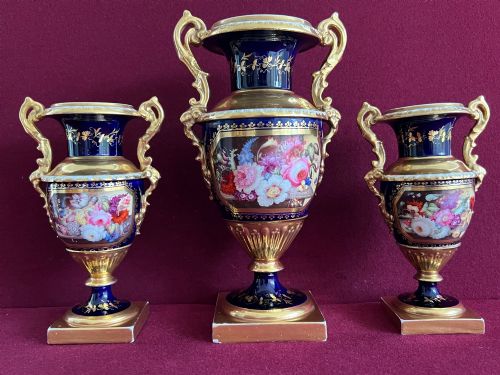
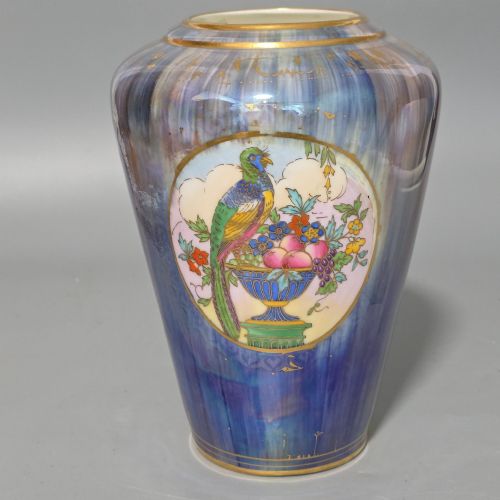
When you search for an antique minton urn, you are looking at ornamental ceramic vessels produced by the Staffordshire pottery across the nineteenth and early twentieth centuries. These pieces encompass diverse forms, from lidded pails and jardinières to monumental vases and garnitures.
The versions you are most likely to meet on this page span the Victorian, Art Nouveau, and Art Deco periods, reflecting changing tastes in British design. They arrive in styles ranging from classic Victorian naturalism and Gothic revival to Aesthetic Movement and Secessionist experiments.
Makers and designers associated with these works include Christopher Dresser, Albert Carrier, and Thomas Steel, whose artistic direction shaped the factory output. Collectors encounter both utilitarian earthenware and refined porcelain, often finished with elaborate glazes or hand-painted scenes.
Assessing quality
Quality in an antique minton urn rests upon the ambition of the design and the skill of the execution. Hand-painted decorative work by documented artists or designers elevates a piece above standard factory output.
The crispness of moulded relief work in majolica and the complexity of glaze application separate finer vessels from simpler productions. Monumental scale and the presence of matching pairs or garniture sets also distinguish superior examples.
The integrity of the ceramic body and the precision of the gilt or enamel detailing indicate the original workshop standard. Pieces demonstrating innovative stylistic movements, such as Art Nouveau Secessionist designs, command particular attention.
Listings feature periods from the Victorian era through the 1920s, employing earthenware, porcelain, majolica, and enamel materials.
Christopher Dresser·Albert Carrier·Thomas Steel·Minton
The Antique Minton Urn Glossary
- Pate-sur-pate
- A ceramic decoration technique where successive layers of liquid white porcelain slip are built up on a coloured clay body. This creates a cameo-like translucent relief effect.
- Garniture
- A set of three or more matching vases or decorative vessels designed to be displayed together on a mantelpiece or sideboard. They typically feature a central larger piece flanked by smaller matching companions.
- Jardiniere
- An ornamental ceramic pot or stand designed to hold live plants or floral arrangements. These vessels often feature substantial proportions and waterproof glazed interiors.
- Secessionist
- A stylistic movement from the late nineteenth and early twentieth centuries influencing ceramic design with flowing organic lines and abstract geometric forms. Minton applied these bold motifs to experimental vase shapes.
Antique Minton Urn: Frequently Asked Questions
What is an antique minton urn?
An antique minton urn is a decorative ceramic vessel produced by the historic English pottery during the nineteenth and early twentieth centuries. These pieces served primarily as ornamental display objects rather than utilitarian containers.
They reflect the shifting design movements of their eras, incorporating styles from Victorian naturalism to Art Nouveau and Art Deco.
How were minton urns used?
These vessels were designed as decorative centrepieces for mantelpieces, sideboards, and grand reception rooms in Victorian and Edwardian homes. Some larger forms, such as jardinières and lidded pails, functioned as planters or specialised display containers.
Pairs and garniture sets were arranged symmetrically to enhance the formal interior decoration of domestic spaces.
How do I date an antique minton urn?
Dating relies on examining the stylistic characteristics, material types, and any impressed factory marks found on the base of the ceramic body. Victorian pieces often display naturalistic motifs or Gothic influences, whereas later examples embrace Secessionist or Art Deco geometry.
Associated designers and specific glazing techniques, such as majolica or pate-sur-pate, help narrow the period of production.
How should I clean minton porcelain?
Cleaning requires gentle dusting with a soft, dry brush to prevent accumulation on raised relief and painted surfaces. Avoid harsh chemical cleaners and do not submerge pieces with delicate gilt or enamel work in water.
If washing is necessary, use a damp cloth with mild soap, followed immediately by thorough drying with a soft towel.