


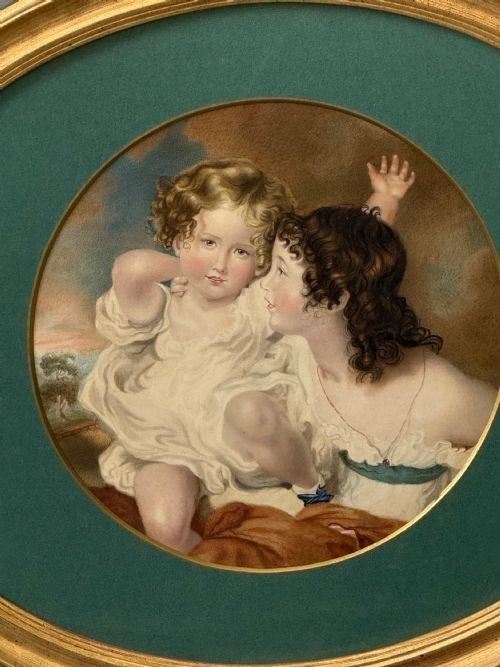
Antique Miniature Portrait Art
Antique miniature portrait art gathers delicate likenesses rendered on small scales, offering intimate glimpses into past lives through precise hand-work.
Antique Miniature Portrait Art
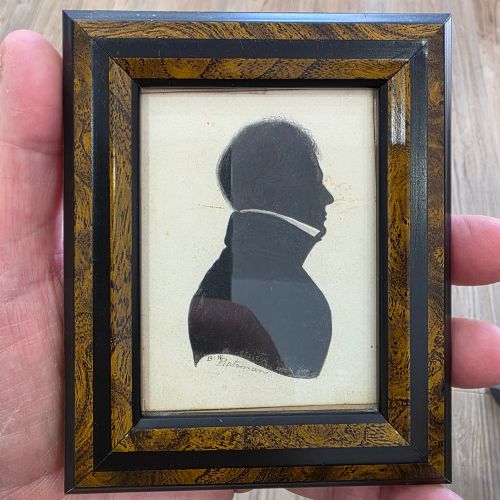
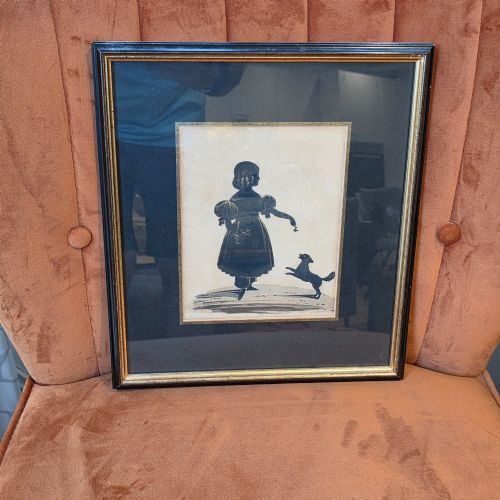
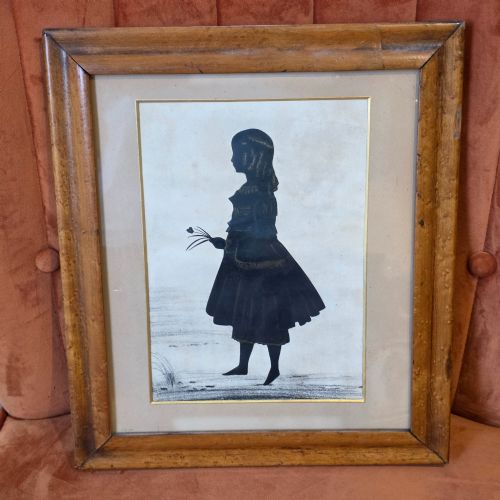
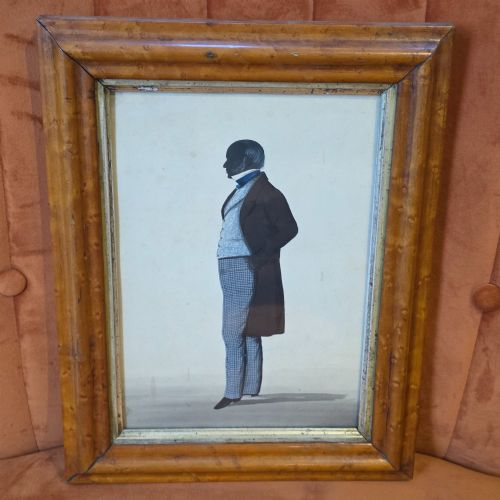
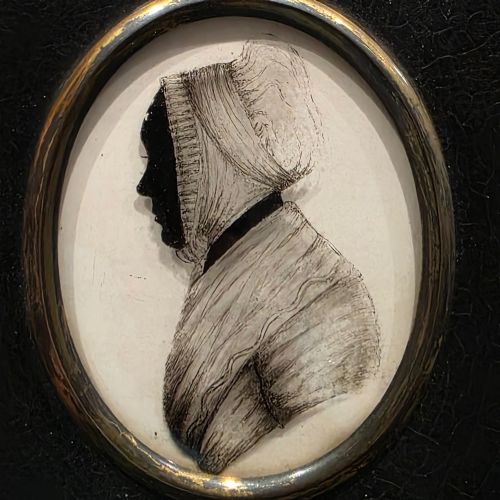
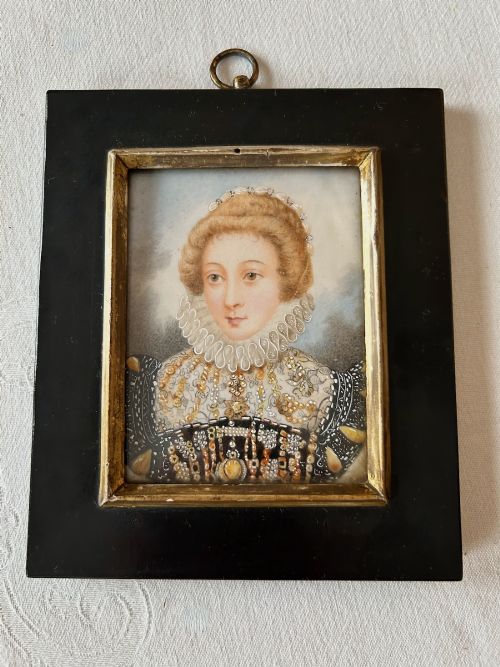
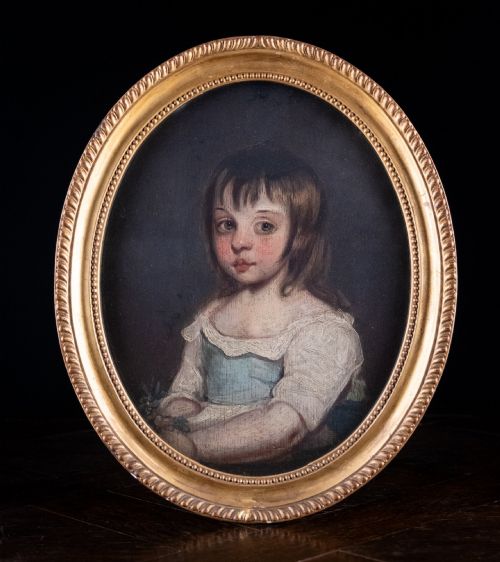
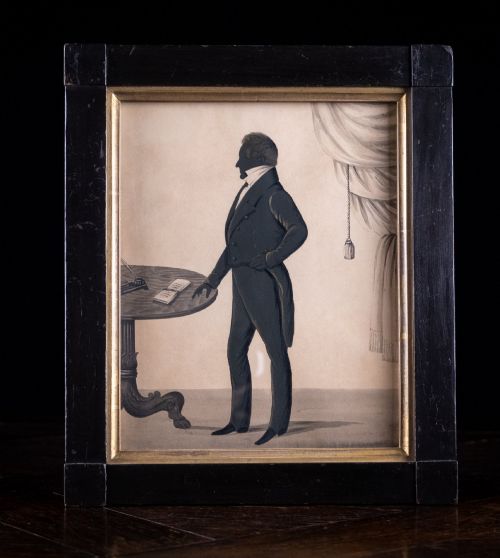
Antique miniature portrait art encompasses small-scale likenesses produced across the eighteenth and nineteenth centuries, spanning Georgian, Regency, and Victorian periods. Buyers encounter framed artworks, pendant pieces, and small paintings executed on diverse supports, alongside cut-paper silhouettes.
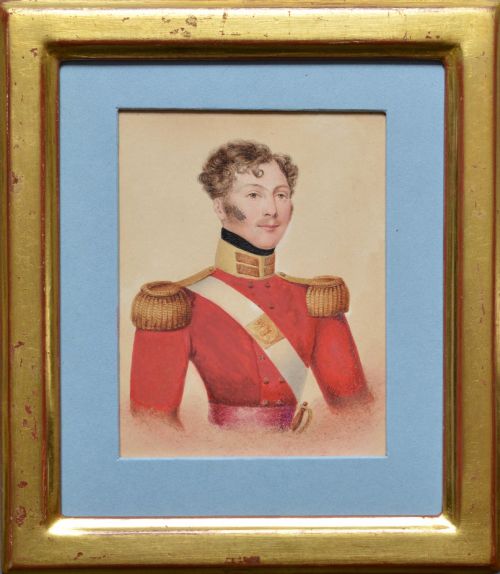
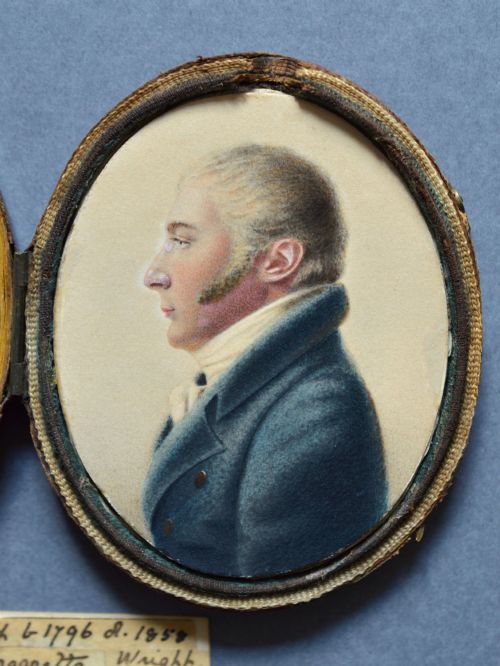
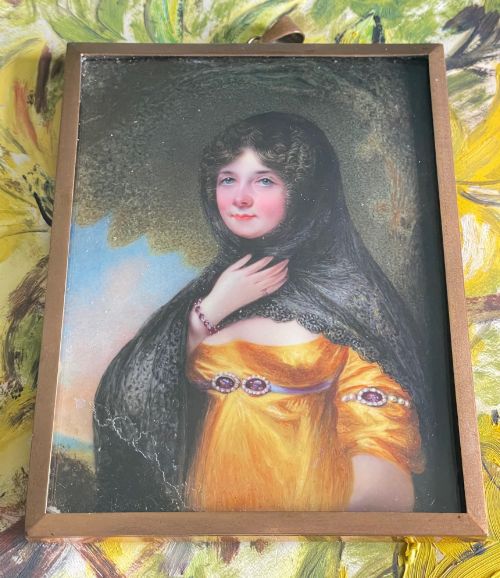
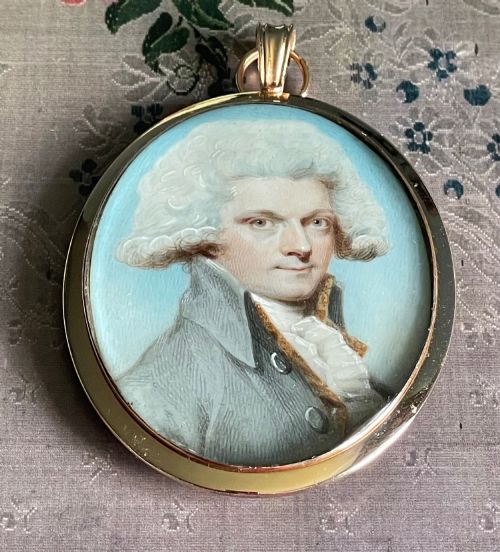
The majority of pieces met on this page belong to the nineteenth and eighteenth centuries, featuring subjects ranging from gentlemen and children to officers and noble figures. These works appear as standalone framed portraits, brooches, or paired studies.
Makers and schools recorded in the evidence utilise distinct mediums such as watercolour, ink, and glass, reflecting the varied portraiture traditions of British, American, and Anglo-Indian makers.
How They Were Made
Artists created these works using watercolour, ink, and enamel applied to paper, glass, or silk, often framing the results in wood, brass, gilt metal, or gold leaf. Cut-paper silhouettes required precise hand-cutting, sometimes combined with delicate watercolour detailing.
Enamel portraits involved fusing powdered glass pigments to a metal base through firing, while reverse glass paintings applied paint to the rear face of the glass to achieve a polished finish from the front.
Frames incorporated precious metals like fourteen-carat gold, alongside standard brass and wood surrounds, protecting the fragile miniature works beneath glass.
Materials recorded on this page include gold leaf, brass, glass, paper, wood, watercolour, ink, and gilt metal.
What Varies in Quality
The quality of the materials employed, such as solid gold frames versus gilt metal, together with the preservation of the original glass and backing, influences the standing of an individual artwork.
Attribution to named artists or established galleries adds distinct context, whereas anonymous school pieces rely entirely on the execution of the painting or silhouette itself.
William James Hubard·Henri Fradelle·JAMES SHARPLES·Henry Bone ARA·Charles Shirreff·Richard Cosway·Augustin Edouart·John C D Engleheart
The Antique Miniature Portrait Art Glossary
- Silhouette
- A profile portrait cut from paper or painted in solid black ink. These likenesses gained popularity during the eighteenth and nineteenth centuries as an accessible form of personal record.
- Enamel
- A durable material formed by fusing powdered glass to a metal surface under high heat. Portrait miniatures executed in enamel retain their vibrant colour over centuries.
- Reverse painting
- An artistic technique where the creator applies paint to the back side of a glass panel. Viewers observe the finished image through the front of the glass.
- Mezzotint
- A printmaking process of the intaglio family where artists work from dark to light on a roughened copper plate. This method produces rich tonal gradations suitable for portraits.
- Pendant
- A piece of jewellery designed to hang from a neck chain or pin to clothing. Miniature portraits frequently utilised pendant frames to allow personal display.
Antique Miniature Portrait Art: Frequently Asked Questions
What materials are used in antique miniature portrait art?
Surviving works incorporate watercolour, ink, and enamel applied to paper, glass, silk, or card supports. These materials sit within frames constructed from wood, brass, gilt metal, or fourteen-carat gold leaf.
Protective glass fronts cover the majority of pieces, shielding the delicate pigments and cut-paper elements from environmental damage.
How were these miniature portraits displayed originally?
Owners displayed these small artworks in domestic settings using wall frames, or carried them close to the body as brooches and pendants. Paired arrangements of family members were common.
Desk placement and travel cases also provided portable ways to keep likenesses of relatives nearby during the Regency and Victorian eras.
How do I date a silhouette portrait?
Dating relies on costume details, hair styling, and framing materials characteristic of Georgian, Regency, or Victorian fashions. Signed pieces or those associated with specific galleries offer clearer chronological markers.
Papers and backing boards also provide clues through watermarks and structural assembly methods.
What is a reverse painted silhouette?
A reverse painted silhouette involves applying black pigment directly to the rear surface of a glass panel. The viewer looks through the clear glass to see a smooth, glossy finish.
This technique protects the pigment from dust and fading while lending a distinct depth to the profile.