



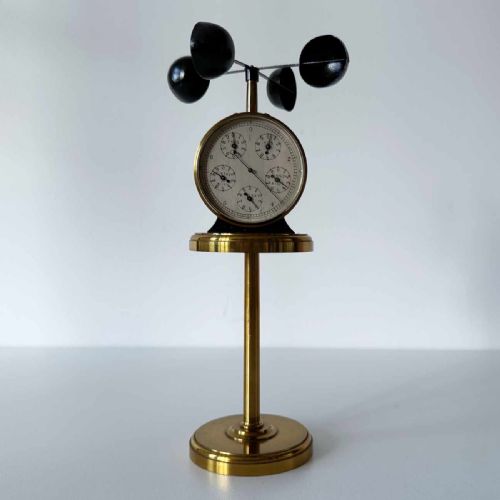


Antique Meteorological Instrument
These antique meteorological instrument pieces combine Victorian precision with domestic elegance, offering reliable atmospheric measurement alongside handsome period cabinetwork for your study or hall.
Antique Meteorological Instrument
When you search for an antique meteorological instrument, you encounter a specialised apparatus designed to measure atmospheric pressure, wind speed, temperature, or sunshine duration. The selection centres heavily on barometers, barographs, and anemometers, spanning the Victorian, Edwardian, and interwar periods.
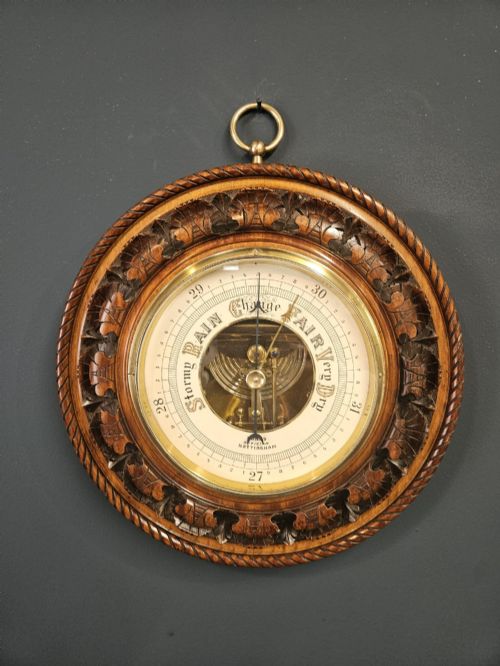
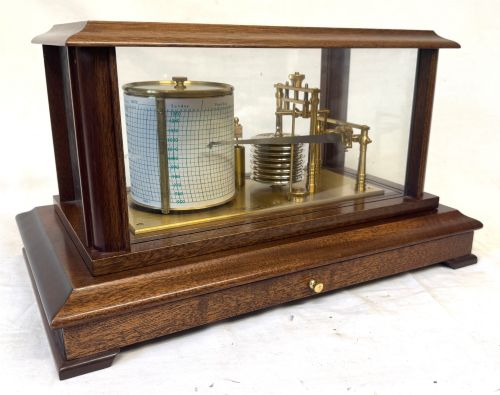
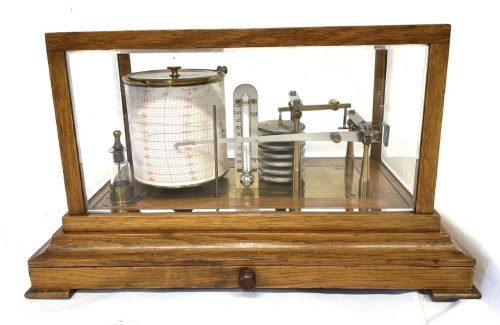
Most examples you meet take the form of boxed barographs housed in glass and oak, or wall-mounted barometers executed in mahogany, walnut, and rosewood. These devices reflect the nineteenth and early twentieth century fascination with recording local weather patterns with mechanical accuracy.
Originating predominantly from British and French makers, these instruments range from utilitarian desk pieces to substantial domestic weather stations. Oak, mahogany, and brass predominate, often incorporating bevelled glass panels and dedicated chart drawers.
Materials and construction
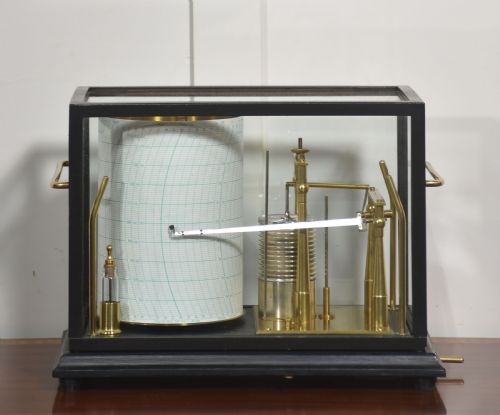
Construction relies heavily on dense timbers such as oak, mahogany, walnut, and rosewood to house delicate brass and steel mechanisms securely. Cases frequently feature bevelled glass windows and brass carrying handles, combining structural durability with clear visibility of the dials and rotating drums.
Dials and recording charts utilise printed paper housed behind glass, while internal movements employ finely machined brass gears, steel springs, and mercury or aneroid chambers. Cabinetmakers carved and polished the wooden surrounds to match contemporary domestic furniture standards.
Antique Meteorological Instrument Retail Price Guide 2026
Typical asking prices for meteorological instrument among the pieces listed under this phrase on Sellingantiques today, from the lower quarter to the upper quarter. They describe what is for sale here now, not the wider market.
Listings feature instruments built from oak, mahogany, walnut, rosewood, brass, glass, and paper across Victorian and Edwardian periods.
Assessing quality in meteorological pieces
Superior quality shows in the crispness of the brass engraving, the smoothness of the mechanical linkage, and the weight of the timber case. Maker attribution, such as signed movements by renowned scientific instrument firms, elevates the standing of an individual piece.
Finer examples retain original components, including paper charts, thermometer attachments, and matching keys for the glass cases. The integration of auxiliary instruments like hygrometers or thermometers within a unified weather station signals higher ambition in manufacture.
Short and Mason·Negretti and Zambra·J Hicks·Jules Richard
The Antique Meteorological Instrument Glossary
- Barograph
- A self-recording barometer that plots atmospheric pressure onto a revolving paper chart over a weekly cycle. These instruments typically sit inside a glass-panelled wooden case.
- Aneroid barometer
- A device that measures air pressure through the expansion and contraction of a sealed metal capsule without using liquid mercury. This mechanism allowed barometers to be built into compact domestic wall and desk cases.
- Anemometer
- An instrument used for measuring the speed and force of the wind. Examples range from portable pocket versions to pedestal-mounted observatory models.
- Weather station
- A combined apparatus incorporating multiple meteorological instruments, such as a barometer, thermometer, and humidity gauge, mounted together in a single wooden housing.
- Sunshine recorder
- An optical meteorological device that uses a glass sphere to focus sunlight and burn a trace onto a graduated card, recording daily sunshine hours.
Antique Meteorological Instrument: Frequently Asked Questions
How do I maintain a barograph?
Keep the instrument away from direct heat sources and steady vibrations to protect the delicate internal aneroid capsules. Regular replacement of the paper chart ensures the recording arm functions without unnecessary friction.
Dust the glass case gently with a soft cloth and avoid applying polish directly to the internal brass mechanism. Professional servicing of the movement should only be undertaken by specialists in antique scientific instruments.
Are these instruments still accurate?
Many barometers and barographs can be calibrated against known local air pressure to track weather changes effectively. The mechanical responsiveness depends on the condition of the internal metal bellows and linkage.
While they serve primarily as decorative and historical objects, well-maintained examples continue to track daily barometric trends with surprising fidelity.
What is the difference between an aneroid and a mercury barometer?
An aneroid barometer uses a flexible metal vacuum capsule that expands or contracts with air pressure changes, moving a needle via mechanical levers. A mercury barometer relies on a column of liquid rising and falling within a sealed glass tube.
Domestic antique instruments leaned toward aneroid designs for safety and convenience, eliminating the need for hazardous liquid columns in household settings.
Where should I place a weather station at home?
Position your barometer or weather station on an interior wall or stable piece of furniture away from open windows, radiators, and direct sunlight. Stable ambient temperature helps prevent artificial fluctuations in the mechanical readings.
Desk-mounted barographs look particularly striking on a library table or study sideboard where the paper drum and brass levers can be easily observed.