
Antique Metalwork Vessel
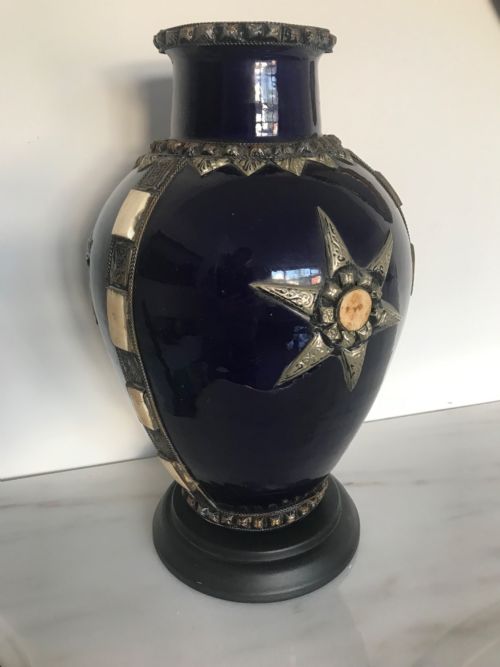
An antique metalwork vessel brings centuries of master craftsmanship into the room, spanning domestic copper, heavy bronze scholar pieces, and elaborate Far Eastern bronzes.
Antique Metalwork Vessel
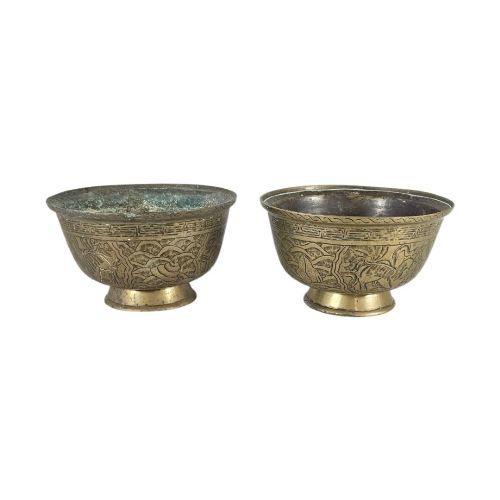
When you search for an antique metalwork vessel, you encounter a diverse range of functional and decorative items designed for display or ritual use. The forms span practical household objects like planters, coal scuttles, and ewers alongside traditional ritual pieces.
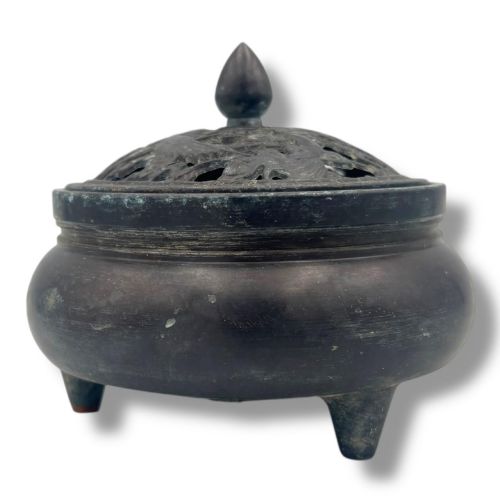
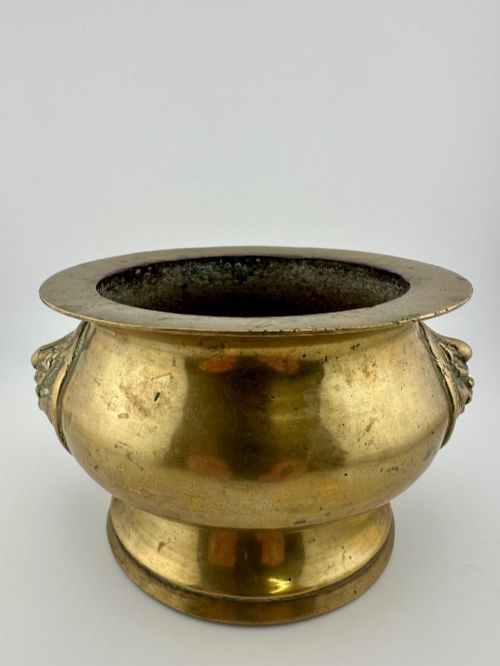
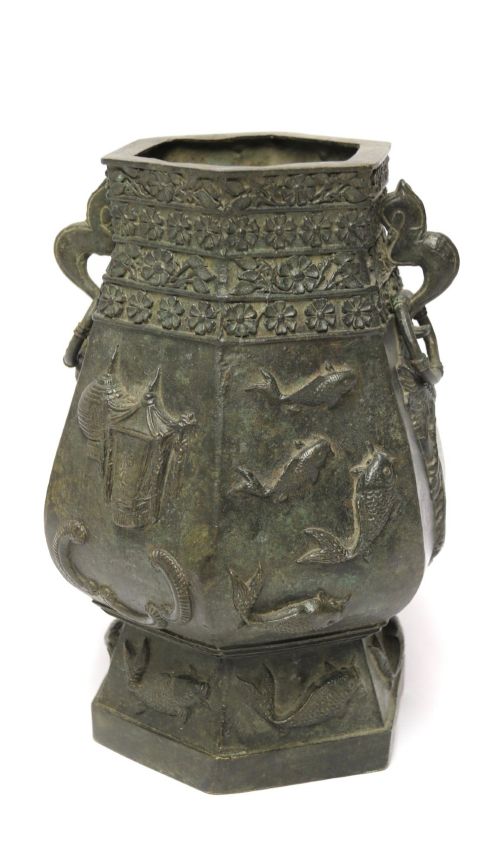
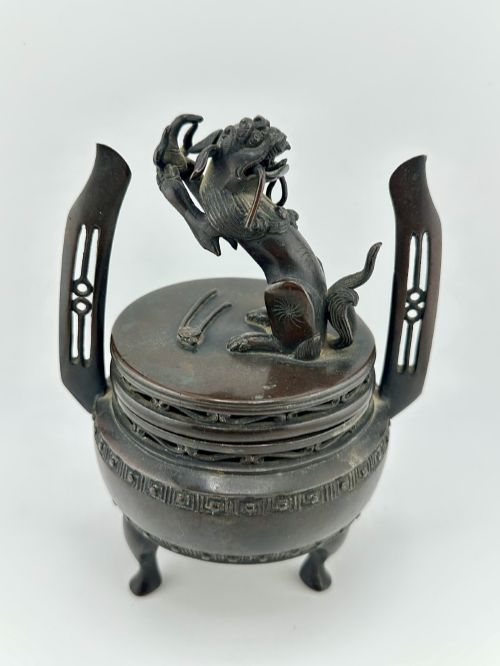
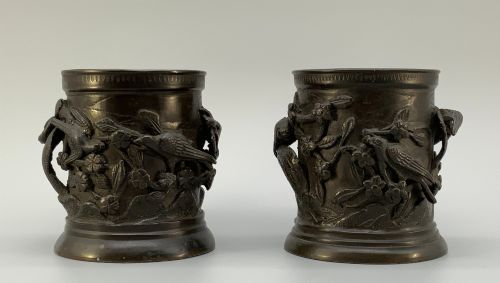
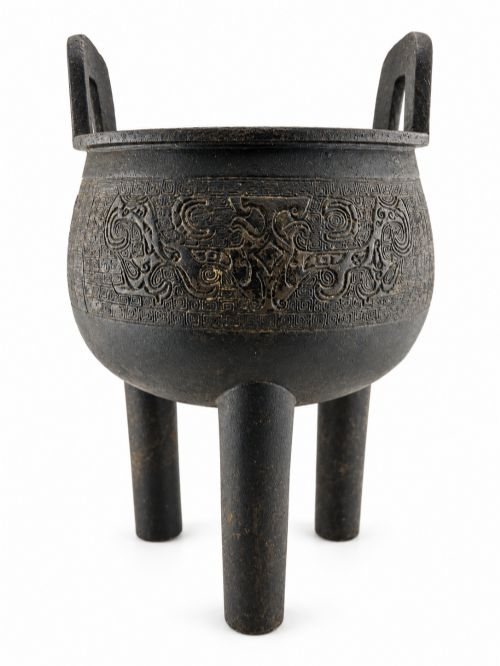
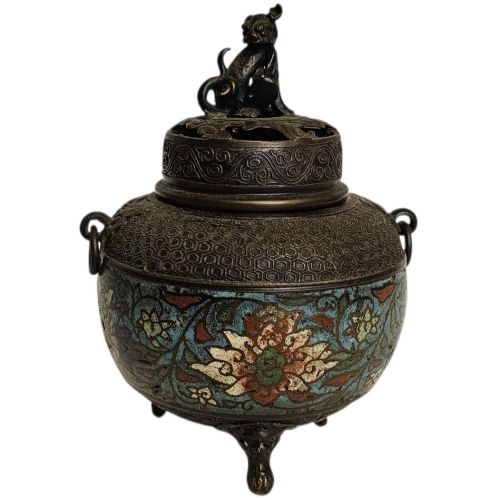
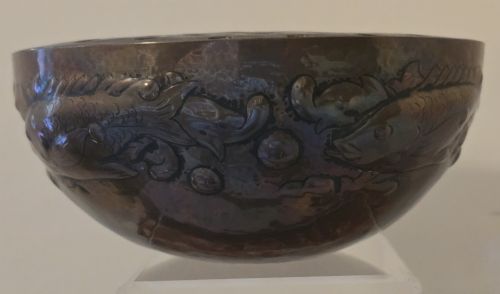
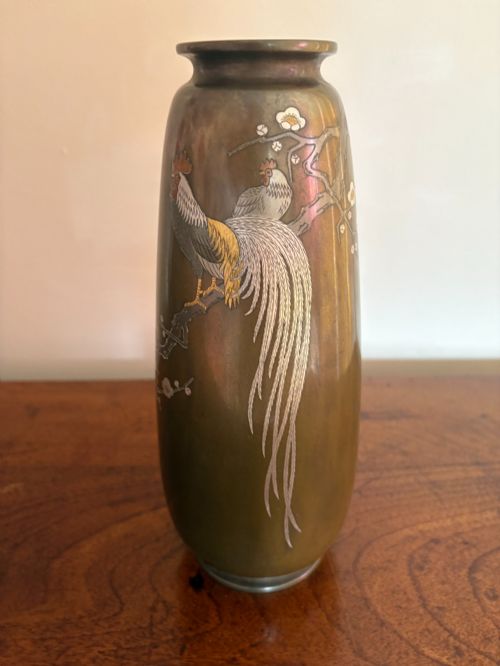
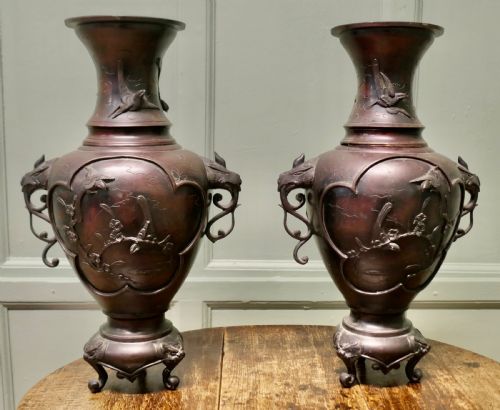
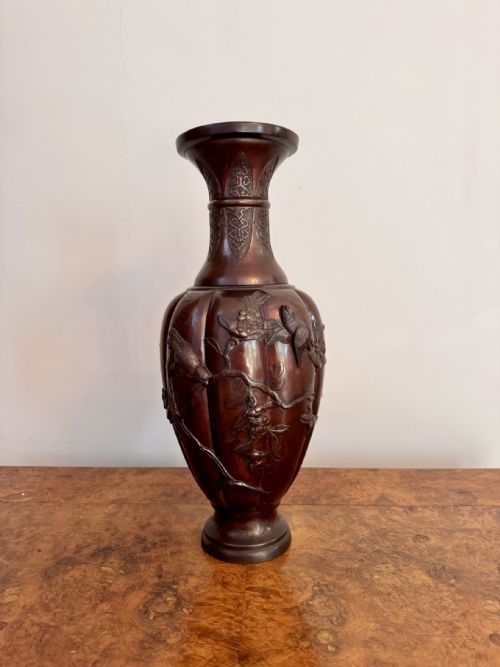
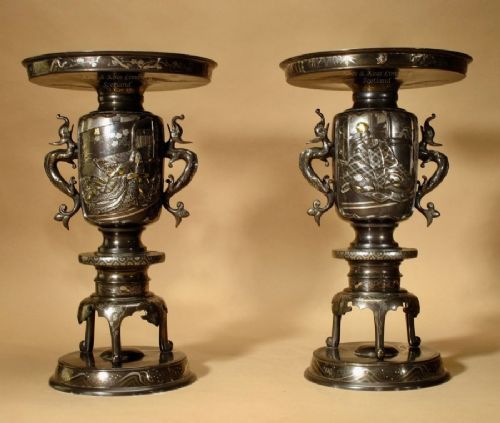
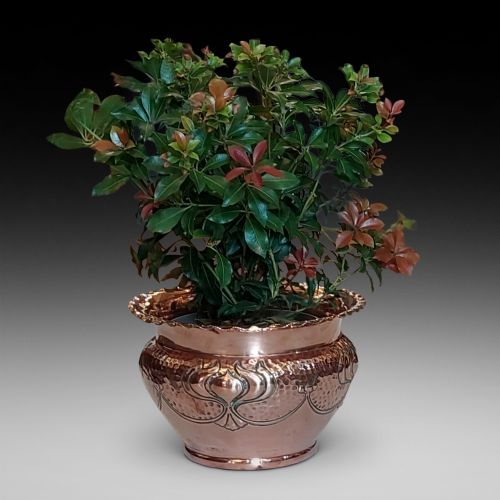
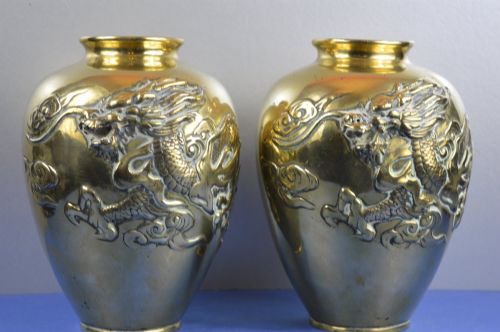
The selection on this page relies heavily on East Asian bronzes, particularly Chinese tripod censers and Japanese vases from the Meiji period. Alongside these Asian works, European Arts and Crafts bowls, repoussé copper, and regional apothecary mortars form part of the recorded variety.
Vessels range from heavy scholar pieces carrying reign marks down to domestic brass and copper wares produced in Britain and continental Europe. Each object reflects the prevailing decorative tastes and utilitarian needs of its specific century of origin.
Materials and construction methods
Bronze, brass, and copper dominate the material record, often paired with contrasting decorative elements like silver inlays, enamel work, or patinated finishes. Cast bronze forms provide the substantial weight seen in many of the older scholar censers and heavy ritual vessels.
Techniques vary from intricate repoussé and champlevé enamel to precision casting and applied wire cloisonné. Artisans utilised both mechanical forming and hand-hammering to shape the metal before applying surface decoration or patination.
A Scottish chamber pot sits surprisingly among the refined incense burners and delicate cloisonné vases.
Assessing quality in metalwork
Quality rests upon the crispness of the casting, the precision of any inlay work, and the stability of the form. Heavy, well-balanced pieces with crisp decorative motifs indicate a higher standard of workshop production than lighter, hastily finished examples.
The sophistication of the surface finish and patination dictates the overall success of the piece. Masterwork vessels display intentional detailing that integrates handles, feet, and bodies into a cohesive design rather than relying on heavy-handed surface additions.
KANASAWA·Liberty & Co·Oliver Baker·W.Scott of Edinburgh·WMF
The Antique Metalwork Vessel Glossary
- Censer
- A vessel used for burning incense, frequently featuring a tripod base and a perforated cover. These objects hold a central place in ritual settings.
- Cloisonné
- An enamelling technique where metal strips are soldered to the vessel body to create compartments filled with enamel paste. The piece is then fired and polished.
- Repoussé
- A metalworking technique where the artisan hammers the design from the reverse side to form a raised relief on the front. This method creates textured surface decoration.
- Archaistic
- A design style that deliberately imitates the forms, motifs, and patination of ancient bronzes from earlier dynasties. Collectors prize these pieces for their historical reverence.
Antique Metalwork Vessel: Frequently Asked Questions
What is an antique metalwork vessel used for?
These vessels served various functions depending on their culture of origin, ranging from burning incense in scholar studios to holding water, flowers, or domestic coal.
Today, they function primarily as decorative interior objects, though their original utility dictates their sturdy construction and enduring materials.
How do I care for antique bronze or copper?
Maintenance requires minimal intervention to preserve the natural patination built up over centuries. Dusting with a dry, soft cloth prevents particulate buildup without stripping the surface.
Avoid abrasive metal polishes and harsh modern cleaners, which can permanently damage delicate patinas, silver inlays, and applied enamels.
How can I tell the age of a bronze vessel?
Dating relies on examining casting techniques, stylistic markers, reign marks, and the natural wear patterns across the metal surface. Older pieces often show specific tool marks and heavy patination consistent with centuries of handling.
Comparing the decorative motifs against known historical periods, such as the Ming Dynasty or the Meiji period, helps narrow down the timeframe.
What is a scholar censer?
A scholar censer is a small, heavy bronze vessel created for use in the private study of an educated scholar in traditional China. These pieces were valued for their tactile weight, refined proportions, and subtle patination.
They often bear studio marks on the base and were designed to facilitate quiet contemplation during writing or incense burning.