

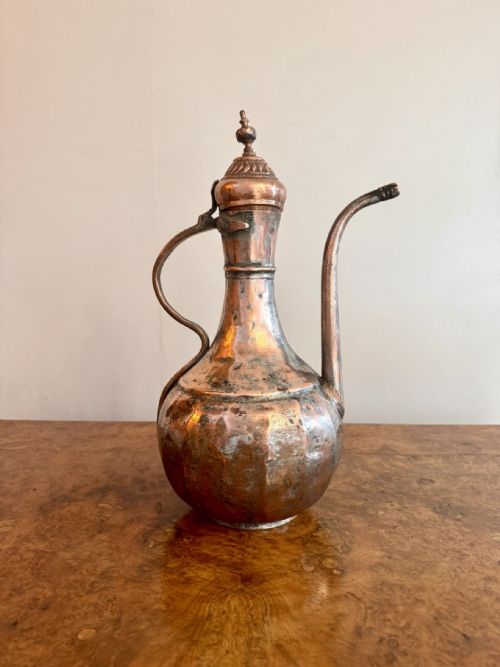


Antique Copper Ewer
An antique copper ewer brings tactile warmth and historic utility to a room, ranging from simple Georgian water carriers to ornate Middle Eastern vessels.
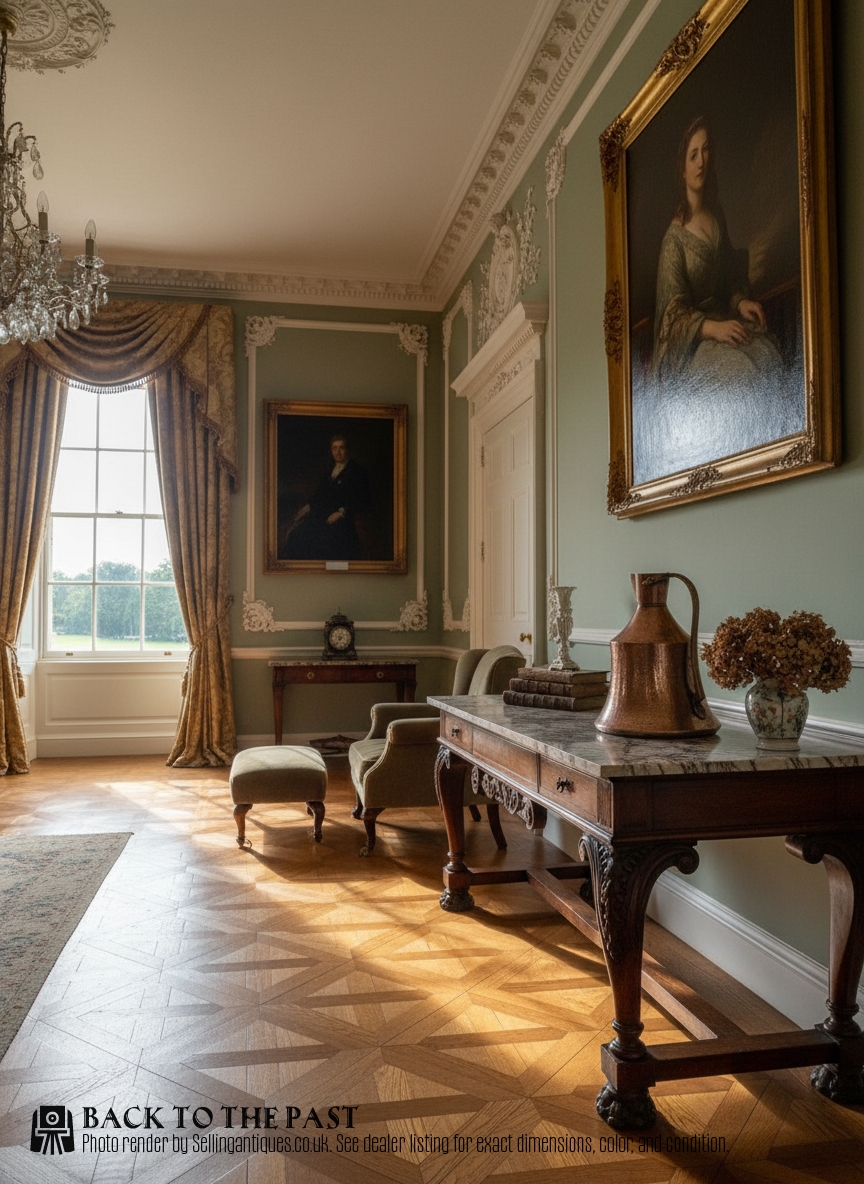
Antique Copper Ewer
An antique copper ewer serves as a traditional water vessel, combining a rounded body, narrow neck, and looped handle with a distinct pouring spout. When you search for an antique copper ewer, you encounter forms that span several centuries and diverse regional traditions, from English domestic jugs to Middle Eastern coffee pots and ceremonial vessels.
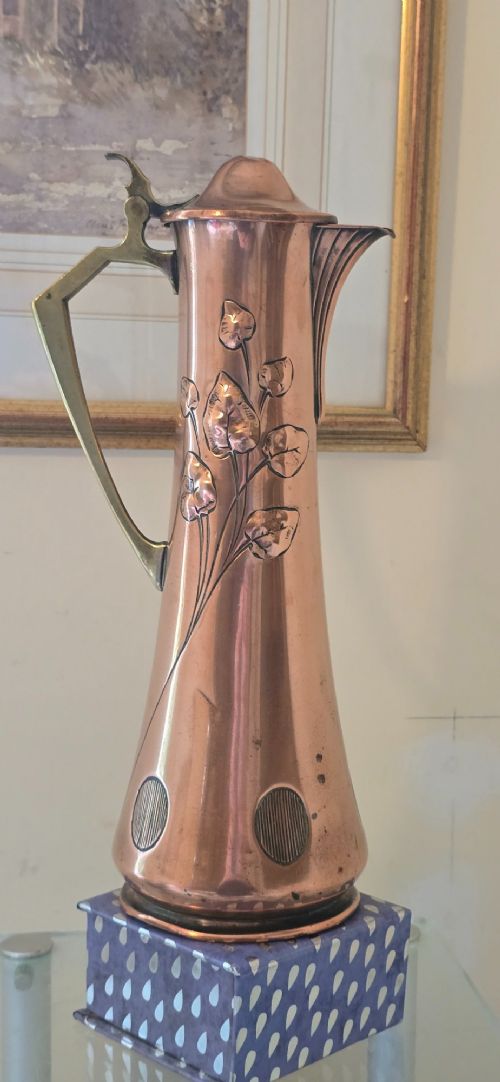
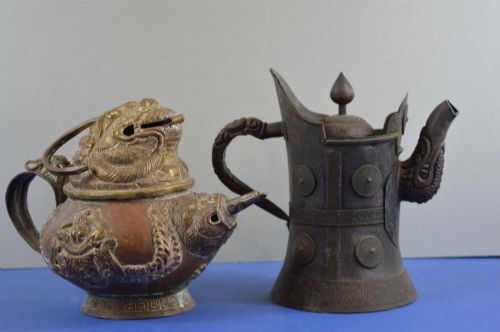
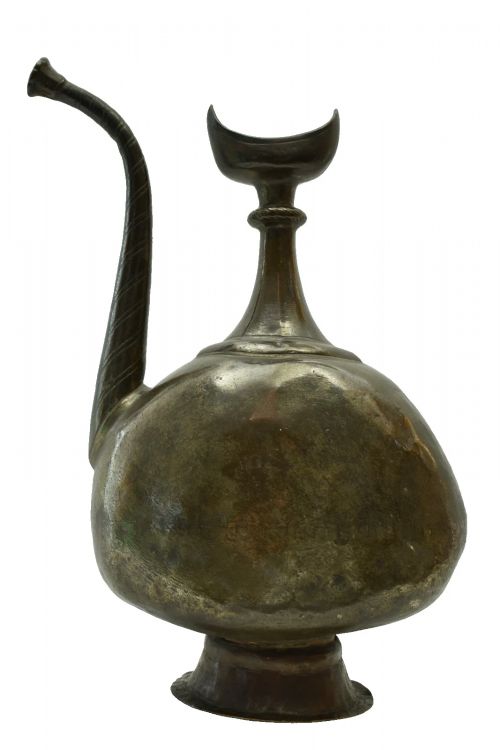
The pieces on this page originate from periods such as the Georgian era, the Victorian period, and around nineteen hundred, alongside pre-sixteenth century examples. Regional styles include Ottoman and Middle Eastern metalwork, Tibetan traditional pieces, and Art Nouveau designs.
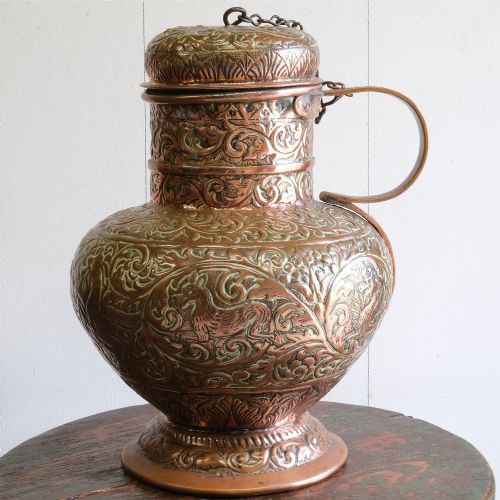
Domestic English and Georgian examples tend toward functional simplicity with brass fittings, whereas Ottoman and Persian pieces display intricate surface work. Buyers often find pitchers and ewers listed alongside related forms like coffee pots and tea jugs.
Materials and construction methods
Metalworking techniques dictate the structure of these vessels, relying primarily on hammered or cast copper, often paired with contrasting brass or bronze elements. Artisans shaped sheet metal through careful hammering, joining seams securely to hold liquids.
Decoration involves techniques such as silver and copper inlay on bronze surfaces, relief work, and applied cast elements like crescent moon finials. Tin linings frequently appear on the interior to ensure safe use for water or food storage.
Makers utilised base metals not only for their malleability but also for their ability to take a rich patina over time. Brass mounts, handles, and spouts provide both structural reinforcement and visual contrast against the warm tone of the copper body.
One listed ewer arrives paired directly with a yak butter tea pot, bridging daily Himalayan ritual and domestic hospitality.
Assessing craftsmanship and integrity
Quality rests in the precision of the hand-forming and the depth of decorative detail. Superior examples show confident hammer marks, balanced proportions, and secure joins where handles and spouts meet the body.
Decoration elevates a piece when the execution is crisp and intentional. Finely chiselled surface patterns, clean metal inlay, and cast finials demonstrate a higher level of artisan skill than plain, utilitarian production.
The integrity of the material matters greatly in metalwork. Retaining original surfaces, uncompromised seams, and honest patination distinguish superior historic pieces from heavily restored or poorly maintained items.
WMF
The Antique Copper Ewer Glossary
- Ewer
- A large jug or pitcher with a wide spout and handle, traditionally used for holding water.
- Aftaba
- A traditional Middle Eastern metal ewer used for ritual washing or serving water.
- Finial
- A decorative ornament fixed to the top of a lid or handle, often shaped as a crescent moon or floral motif.
- Inlay
- A technique where contrasting metals like silver are hammered into recessed channels on a bronze or copper surface.
- Patina
- The surface sheen and colour developed by copper and bronze over decades or centuries of exposure and handling.
Antique Copper Ewer: Frequently Asked Questions
What is an antique copper ewer used for?
These vessels historically functioned for washing, serving water, or pouring hot beverages. Domestic English examples typically served water at table, while Islamic forms often fulfilled ceremonial or ritual washing purposes.
Today, collectors use them primarily as decorative objects or floral display pieces. Their sculptural shapes and warm metallic tones suit placement on sideboards, mantels, or open shelving.
How do I distinguish regional styles?
Regional origins declare themselves through form, ornamentation, and manufacturing technique. Middle Eastern and Persian pieces frequently incorporate engraved calligraphy, floral motifs, and contrasting metal inlay.
European domestic pieces, such as Georgian or Victorian jugs, lean towards simpler, utilitarian lines with brass rims and sturdy handles. Tibetan examples display distinct ceremonial iconography and specific ritual forms like yak butter tea pots.
Are these ewers safe to hold liquids?
Many historic vessels feature a traditional tin lining applied to the interior surface. This layer prevented the copper from reacting with water or beverages.
While some sturdy examples remain watertight, buyers often treat older metalwork as decorative objects. Inspecting the interior helps determine if a tin lining remains intact.
How should I clean copper ewers?
Polishing depends entirely on the desired appearance and the age of the piece. Many collectors prefer to leave an established historic patina untouched.
If cleaning is necessary, mild, non-abrasive metal cleaners preserve the surface details. Harsh scrubbing can remove valuable patination and wear marks that indicate genuine age.