



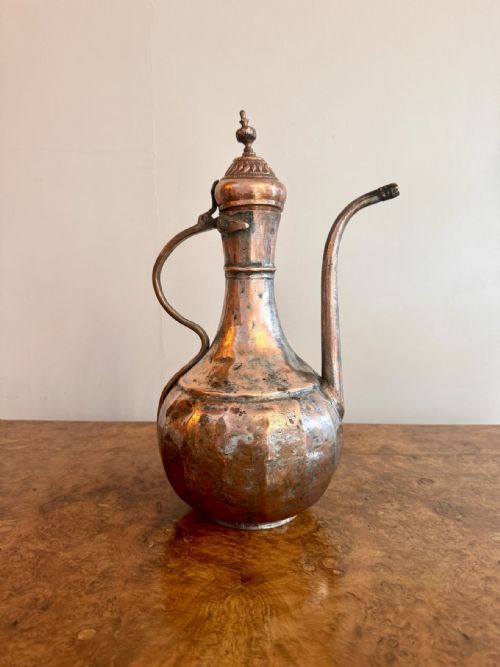


Copper Metal Ewer
These copper metal ewer pieces span centuries of metalwork, offering striking forms and rich patinas that elevate any traditional interior.
Copper Metal Ewer
When you search for a copper metal ewer, you encounter a diverse array of pouring vessels originating from various cultural traditions and periods. These range from everyday Georgian domestic jugs to ornate ritual objects.
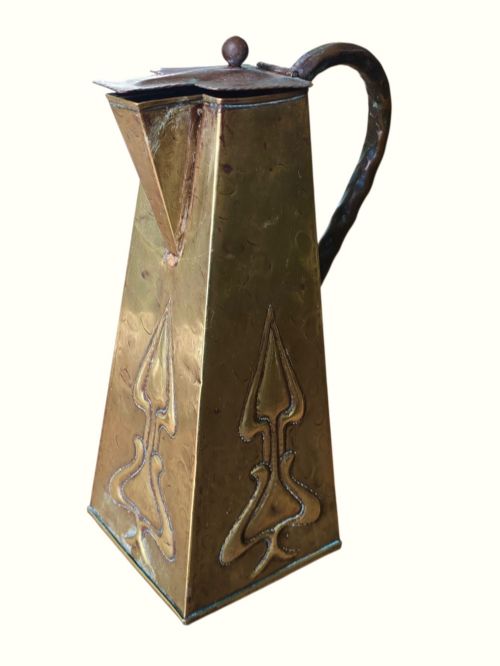
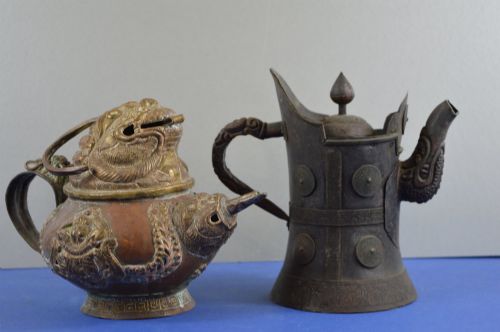
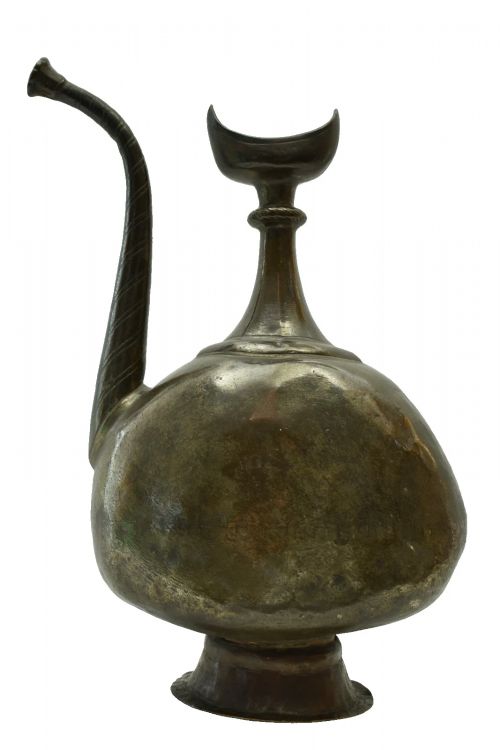
The selections available here lean heavily into nineteenth century examples, alongside earlier pieces spanning Middle Eastern, Victorian, and Tibetan traditions. Forms shift between simple household pitchers and elaborate ceremonial ewers.
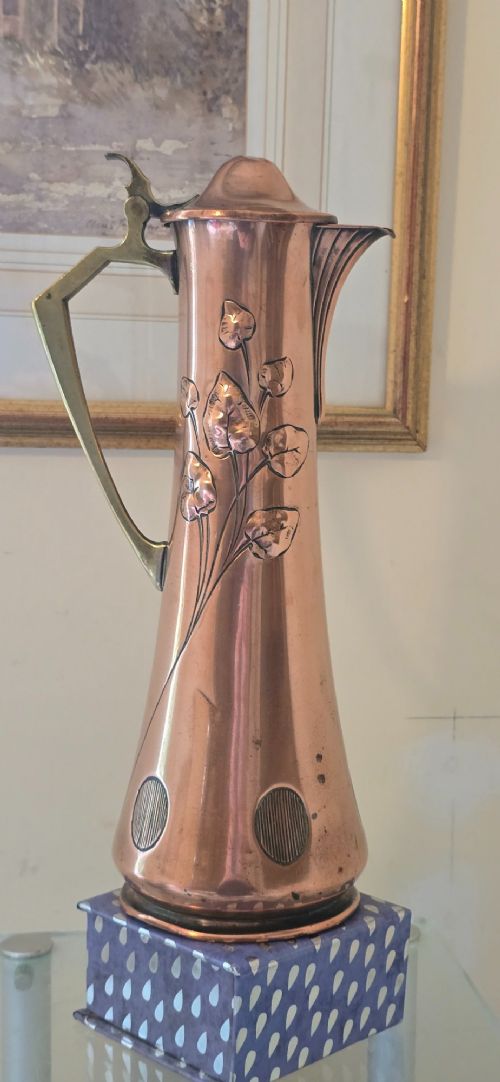
Regional variations define much of what appears on this page, connecting domestic utility with distinct decorative arts movements like Art Nouveau and Ottoman craftsmanship.
Materials and construction methods
Makers shaped these objects primarily from sheet copper, often combining them with brass, bronze, and tin components to create contrasting rims, handles, and bases. Some earlier Middle Eastern items employ intricate silver and copper inlay upon a bronze body.
Construction techniques rely heavily on hand-beating, soldering, and casting, leaving subtle tool marks that reveal the hand of the artisan. Surface details such as floral relief designs or crescent moon finials demonstrate careful chasing and repoussé work.
Copper Metal Ewer Retail Price Guide 2026
Typical asking prices for copper metal ewer among the pieces listed under this phrase on Sellingantiques today, from the lower quarter to the upper quarter. They describe what is for sale here now, not the wider market.
Some nineteenth century ewers doubled as yak butter tea pots in remote mountain monasteries.
Factors of quality and execution
Superior examples distinguish themselves through crispness of decorative detail, such as deep floral relief or precise metal inlay. The weight of the metal and the balance of the handle also signal superior craftsmanship.
Age and regional origin dictate finer points of execution, where pieces retaining their original patinas and structural integrity stand apart from heavily restored or altered items.
WMF
The Copper Metal Ewer Glossary
- Ewer
- A large jug or pitcher with a spout, traditionally used for holding water or wine.
- Aftaba
- A traditional Islamic metal ewer or water vessel, typically featuring a long spout and narrow neck.
- Repoussé
- A metalworking technique where the artisan hammers the design from the reverse side to form a raised relief on the front.
- Patina
- The surface sheen and coloration acquired by metal through age, handling, and oxidation.
- Inlay
- A decorative technique where contrasting metals are embedded into recesses cut into the base material.
Copper Metal Ewer: Frequently Asked Questions
How do I clean an old copper ewer?
Polishing historic metalware can strip away valuable patinas that accumulate over centuries. Most collectors prefer gentle dusting and minimal intervention to preserve the surface history.
If cleaning is necessary, use a non-abrasive cloth specifically formulated for antique metals, avoiding harsh chemical dips entirely.
Are these ewers safe for holding liquids?
Many older vessels, particularly those with tin linings or historic solder, are intended purely for display rather than modern consumption. Using them for drinks can introduce unwanted residues.
Keep them dry and treat them as decorative objects to protect the internal construction and historical integrity.
How can I tell the period of a copper ewer?
Dating relies on examining the construction seams, handle attachments, and stylistic motifs present on the body. Machine-rolled edges usually indicate later nineteenth century production, while hand-forged seams point earlier.
Comparing the decorative vocabulary, such as Art Nouveau floral motifs or Seljuk patterns, helps place the piece within a specific era.
Where should I display a copper ewer?
These pieces look striking on open shelving, sideboards, or mantels where their reflective surfaces catch natural light. Pairing them with other historic metalwork creates a cohesive display.
Ensure they sit away from damp environments to prevent further oxidation and protect the underlying metal.