





Antique Metal Serving Tray
An antique metal serving tray brings weight and historic character to a room, offering a durable surface that develops a rich patina over time.
Identifying Your Antique Metal Serving Tray
When searching for an antique metal serving tray, buyers encounter items spanning the Regency, William IV, and Victorian periods. These pieces serve practical functions while displaying distinct historical craftsmanship.
Pontypool toleware and Old Sheffield Plate represent common stylistic and material variations within this group. Buyers frequently meet Victorian pieces alongside earlier nineteenth century works.
Materials and Construction
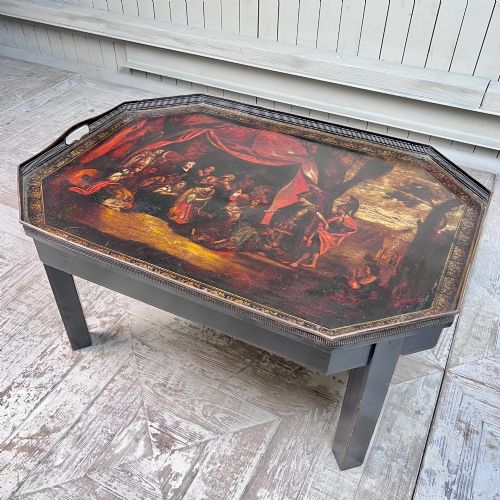
Metal serving trays are constructed using base metals like iron, sheet iron, and tinplate, shaped into serviceable forms. Surface decoration often involves handpainting and lacquer applied over a prepared metal ground.
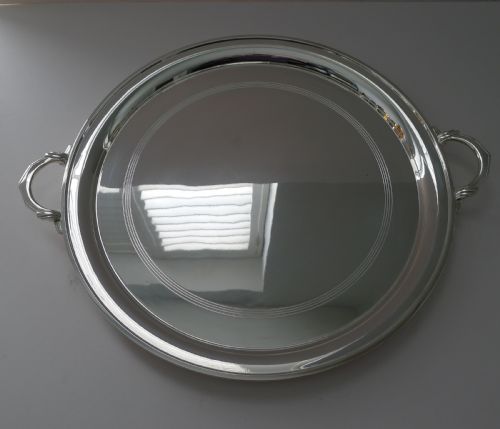
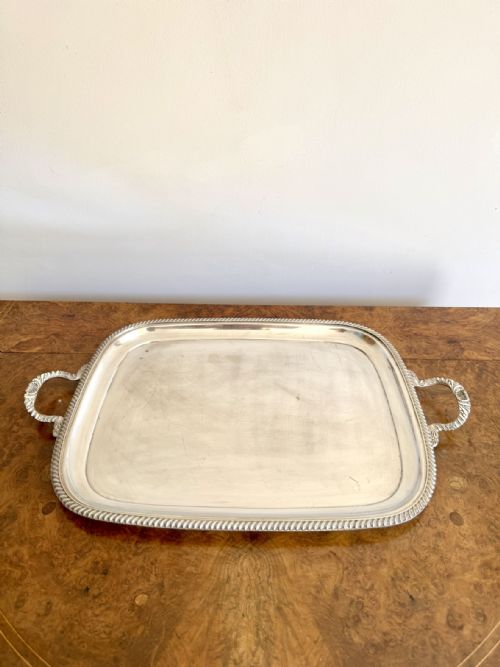
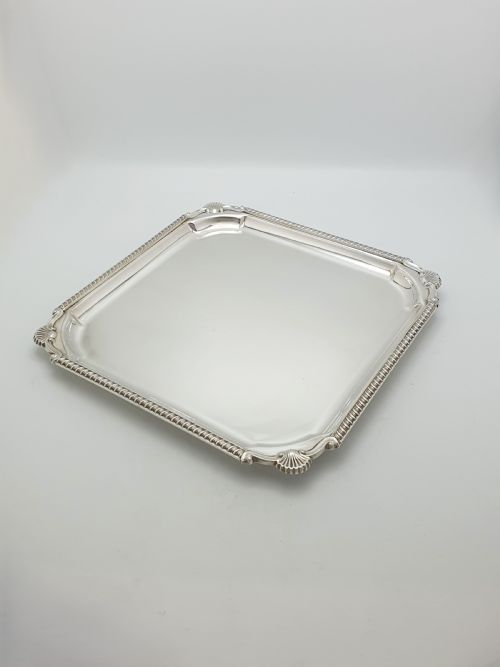
Silver plating techniques, including Old Sheffield Plate and electroplate methods such as EPNS, provide a lustrous metallic finish over a base metal core. Gilt highlights are sometimes added to enrich the painted or plated surfaces.
Retail Price Guide 2026
Typical UK retail prices for metal serving tray, calculated from the Sellingantiques database of over a million retail prices indexed since 2003. This retail price guide relies exclusively on Sellingantiques data; no external sources or auction records are used, so the figures do not describe the wider market.
Listings feature nineteenth century pieces using paint, lacquer, silver plate, sheet iron, and tinplate across Victorian, William IV, and Regency styles.
Judging Quality and Execution
Quality in these trays rests upon the precision of the handpainted details and the durability of the applied lacquer or metal plating. Finely executed pictorial scenes separate masterwork toleware from simpler utilitarian items.
The integrity of the underlying sheet iron or silver plate dictates the longevity and structural stability of the piece. Superior examples maintain crisp decorative elements and balanced proportions across the tray surface.
H. Meeson
The Antique Metal Serving Tray Glossary
- Pontypool
- A historic centre for toleware production in Wales known for high quality japanned metal. Pieces from this region display distinctive lacquer finishes.
- Old Sheffield Plate
- A composite material made by fusing a thin layer of silver onto a copper base. This early plating method predates nineteenth century electroplating.
- EPNS
- Electroplated Nickel Silver, a common method of coating a base metal with silver using an electrical current. This technique became widespread during the Victorian era.
- Salver
- A metal tray used for serving food or drinks, or for presenting letters and cards. These items typically feature a raised rim and rest on small feet.
Frequently Asked Questions
What is an antique metal serving tray made from?
These trays are constructed from various metals including iron, sheet iron, and tinplate. Surfaces are frequently finished with lacquer, paint, silver plating, or gilding.
Material choice often dictates the visual style, ranging from dark japanned toleware to bright silver plated finishes.
How do I date an antique tray?
Dating relies on stylistic clues, manufacturing techniques, and materials associated with periods like Regency or Victorian. Evidence such as Old Sheffield Plate or specific toleware decoration helps narrow the timeframe.
Examining the metal substrate and the application method of the paint or plating provides further chronological context.
What is toleware?
Toleware refers to painted or japanned metal objects, typically made of tinplate or sheet iron. Makers applied multiple coats of varnish or lacquer to achieve a durable surface before adding handpainted designs.
Pontypool is a renowned location associated with this specific style of British metal decoration.
How should I care for a metal tray?
Maintenance involves dusting with a soft cloth and avoiding harsh chemical cleaners that might strip the original paint, lacquer, or silver plate. Moisture should be kept away from exposed iron surfaces to prevent corrosion.
Gentle handling preserves the delicate handpainted details and historic finishes found on nineteenth century examples.