


19th Century Toleware
These pieces of 19th century toleware offer painted tin and metal household objects that bring rich colour and historic decoration to any interior.
19th Century Toleware
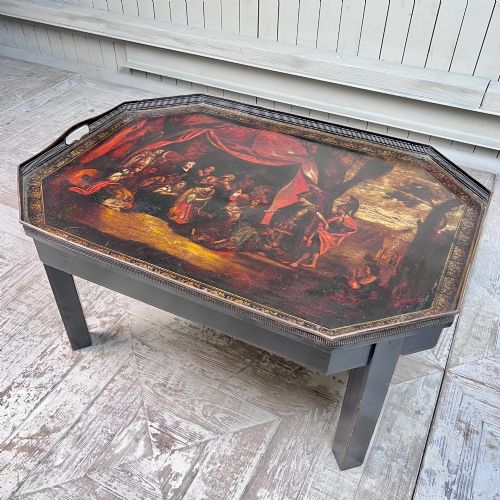
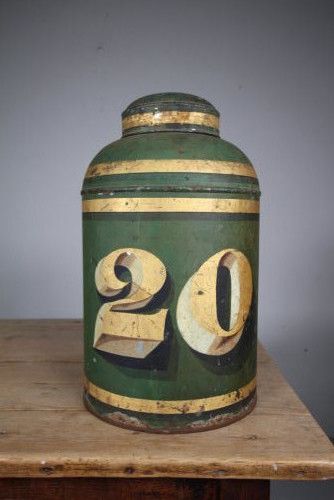
Buyers seeking 19th century toleware encounter a diverse group of painted and japanned metal objects designed for domestic utility and display. The selection on this page relies heavily on functional household items produced in various European styles, with trays and tea canisters appearing frequently among the inventory.
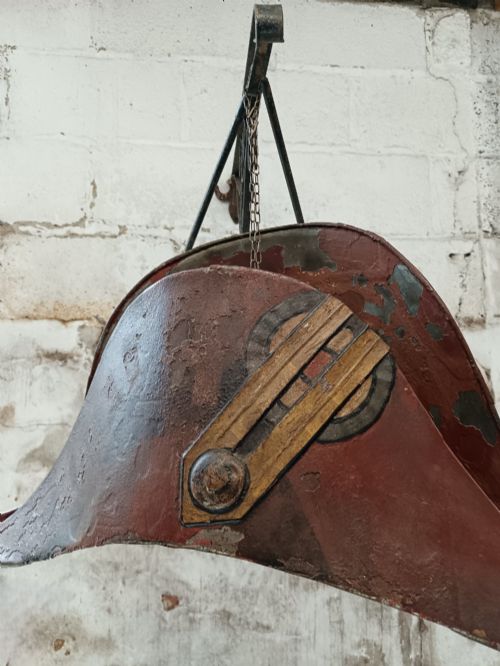
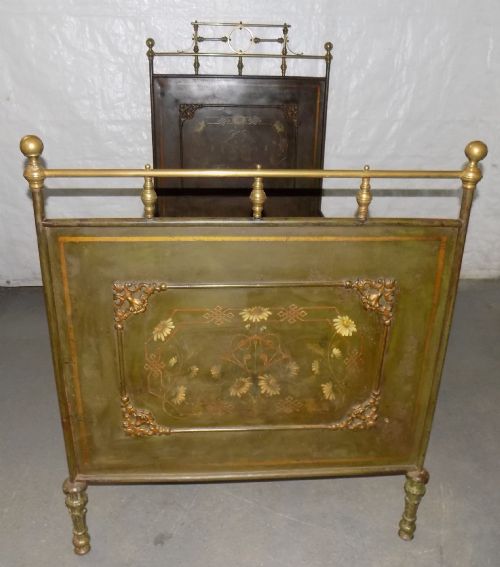
The forms range from utilitarian tea tins and coal bins to decorative urns, lanterns, and even full-size bedsteads fashioned from sheet metal. Many examples display influences from Regency, Victorian, and French Empire aesthetics, often incorporating painted or gilded motifs on dark grounds.
Materials and Construction
Items in this category start as iron or sheet metal substrates shaped into boxes, trays, and vessels. Artisans applied layers of paint or lacquer, a process often termed japanning, to achieve durable and glossy surfaces.
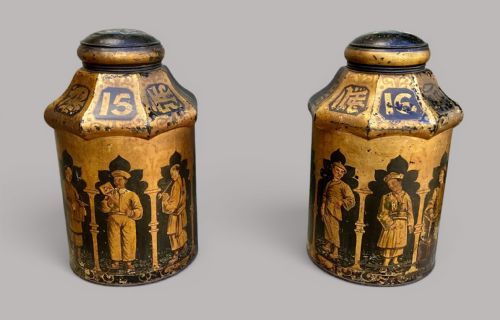
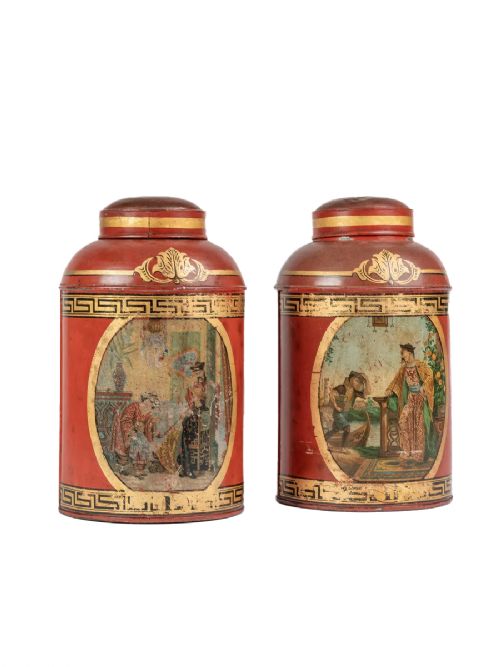
Decoration typically involved hand-applied paint and gold leaf, sometimes combining floral scenes, Chinoiserie landscapes, or figurative artwork over black, green, red, or yellow painted grounds.
Listings feature periods spanning from the Regency era through the 19th century, with materials including brass, iron, wood, and painted sheet metal.
Assessing Quality and Execution
Distinction across the range lies in the complexity and preservation of the painted or gilded decoration. Pieces displaying finely detailed figural scenes or intricate botanical borders demand closer attention than simpler monochrome surfaces.
The integrity of the original metal body and the survival of the early surface finish dictate the standing of an individual piece. Evidence of skillful brushwork and well-preserved gilt highlights elevate the execution significantly.
H. Meeson·Troemner of Philadelphia
The 19th Century Toleware Glossary
- Toleware
- Painted or japanned metalware made from tin or sheet iron, typically decorated for domestic use. The term derives from the French phrase tôle peinte, meaning painted sheet metal.
- Japanning
- A type of European finish that emulates East Asian lacquerware by applying successive layers of varnish and heat-curing them. It protects the underlying metal while providing a glossy dark ground for gilt decoration.
- Chinoiserie
- A European decorative style reflecting Chinese artistic influences, frequently seen on these pieces in stylized landscapes and figures. Artisans rendered these designs in gold leaf or contrasting paint.
- Pontypool
- An English town known for early manufacturing of high-quality tinned sheet iron with specialised lacquer finishes. Pieces attributed to this tradition feature distinctive japanned surfaces.
19th Century Toleware: Frequently Asked Questions
What is toleware made of?
These items are constructed primarily from sheet metal, iron, or tin that has been shaped into containers, trays, and decorative objects. The metal serves as a base for heavy layers of paint, lacquer, or gold leaf.
Craftsmen prepared the metal surfaces carefully before applying the japanning or paint layers to ensure the finish adhered securely to the iron substrate.
How were tea canisters used?
Tea canisters and caddies stored precious loose-leaf tea safely away from moisture and light in 19th-century households. Their tight-fitting lids helped preserve the aroma of the leaves.
Because tea was an expensive commodity, these containers were often decorative enough to sit openly in reception rooms or parlours rather than being hidden away.
How do I clean painted metal?
Careful dusting with a soft, dry cloth is the safest way to maintain these painted and japanned surfaces. Moisture can damage old lacquer and lift delicate gold leaf.
Harsh chemical cleaners must be avoided entirely, as they strip the historic paint layers and ruin the original finish of the metal.
Are these pieces waterproof?
While many items like buckets, urns, and trays held water or plants historically, age has often compromised their original waterproof seals. Using them directly for wet contents can risk damaging the antique metal and paint.
Inserting a modern hidden liner protects the interior from moisture if you intend to use coal buckets or log bins for active storage.
How do I date a piece?
Dating relies on examining the construction methods of the sheet metal, the wear patterns on the base, and the style of the painted decoration. Regency and Victorian motifs provide clear stylistic windows for comparison.
Comparing the hand-mixed pigments and the composition of the japanning to dated examples in archives helps narrow down the period of manufacture.