
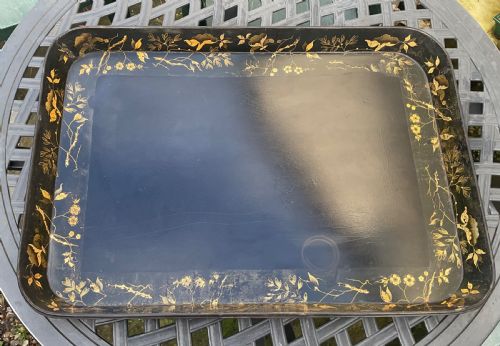


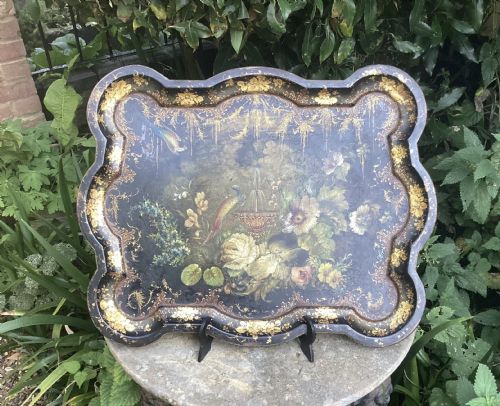


Regency Floral Tray
These pieces known as regency floral tray examples combine refined utility with botanical ornament, offering buyers a functional surface steeped in period character.
Regency Floral Tray
When you search for a regency floral tray, you encounter an array of serving dishes, decorative platters, and handled servers dating from the early nineteenth century and the wider Georgian and Victorian periods. These pieces serve primarily as functional items or decorative centrepieces, drawing on classical design principles while showcasing hand-painted botanical motifs.
The versions most commonly met on this page span several distinct material forms, including papier-mâché, moulded porcelain, and painted toleware. Makers of the era utilised these versatile substrates to create robust serving wares that could withstand daily domestic use while retaining delicate artistic details.
How they were made
Makers produced papier-mâché items by pressing layered paper pulp bonded with glue into rigid forms, which were then dried, smoothed, and painted. This technique yielded lightweight yet durable trays capable of supporting heavier vessels.
Porcelain examples required kiln firing followed by careful hand-painting and the application of gold leaf embellishments. Toleware pieces involved painting and lacquering sheet metal to simulate more costly materials and resist moisture.
Current listings feature items spanning the Regency, Georgian, and 19th Century periods, constructed from papier-mâché, porcelain, brass, and toleware.
What varies in quality
The distinction between standard utility items and finer pieces lies largely in the execution of the painted botanical decoration and the precision of the moulding. Superior examples display confident, detailed brushwork in floral motifs rather than rigid, mechanical application.
Substrate preparation also dictates longevity and refinement, with smoother lacquer finishes, tighter papier-mâché compaction, and more even porcelain glazes marking out superior workshops from mass production.
Ridgway Porcelain·Spode Porcelain
The Regency Floral Tray Glossary
- Papier-mâché
- A composite material made from paper pulp or reinforced paper sheets mixed with glue, then moulded and dried. This substance allowed artisans to create deep, curved serving vessels with considerable strength.
- Toleware
- Enamelled and japanned metalware produced in Britain during the eighteenth and nineteenth centuries. The technique involved treating sheet metal with protective painted coatings and decorative metallic leaf.
- Gilt embellished
- Decorated with fine gold leaf or gold paint applied to highlights, borders, or central motifs. This treatment catches the light and emphasises the contours of the object.
- Porcelain
- A ceramic material made by heating raw ingredients, generally including kaolin, in a kiln. It yields a hard, non-porous body ideal for intricate serving plates and dessert dishes.
Regency Floral Tray: Frequently Asked Questions
How were these trays used originally?
These items functioned primarily for serving tea, dessert, or beverages in prosperous households during the early nineteenth century. Servants brought them into drawing rooms laden with porcelain cups or glassware.
Beyond active service, many pieces remained on display upon sideboards or tables as decorative objects when not in use.
Can I still use my tray for serving?
Most papier-mâché and painted metal pieces tolerate light, careful use for dry items or drinks if handled gently. Moisture and heat can damage historical lacquered surfaces over time.
Porcelain serving dishes generally prove more resilient for actual dining use, provided you wash them by hand rather than utilising modern machinery.
How do I care for papier-mâché?
Keep these items away from direct sunlight, damp environments, and excessive heat sources to prevent warping or lacquer crazing. Dust them periodically with a dry, soft cloth.
Avoid using liquid cleaners, abrasive pads, or chemical solvents, which quickly strip the historic painted decoration and varnish.
How do I distinguish Regency from Victorian?
Regency items typically favour restrained neoclassical lines, classical botanical accuracy, and refined gilding. Victorian interpretations often introduce heavier ornamentation and denser floral compositions.
Examining the underlying material substrate and the specific style of the painted motifs helps clarify the period of manufacture.