




Antique Metal Server
An antique metal server brings domestic heritage straight to the table, offering practical serving vessels shaped by centuries of craft.
Antique Metal Server
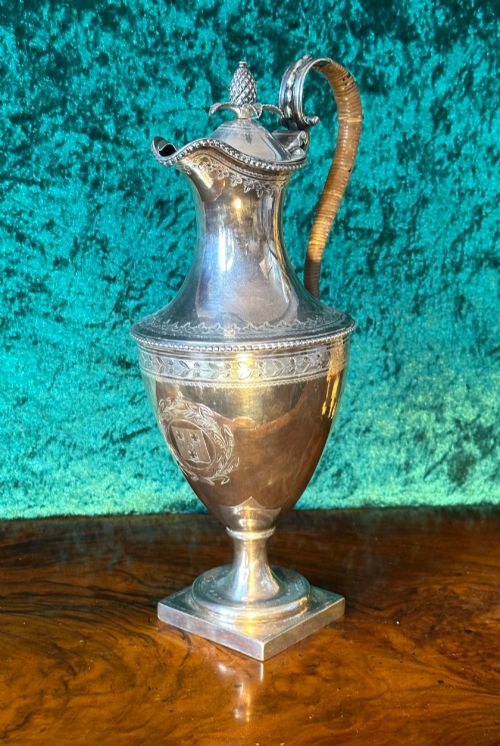
The term antique metal server covers a diverse gathering of vessels and trays designed for pouring, warming, and presenting food and drink. Buyers searching this phrase encounter forms ranging from Georgian ewers and tea urns to Victorian samovars, trays, and toast racks.
The most common examples on this page span the eighteenth, nineteenth, and early twentieth centuries, fashioned in materials like copper, pewter, and silver plate. These pieces originate from distinct design movements including Georgian Neoclassical, Victorian, Arts and Crafts, and Art Nouveau.
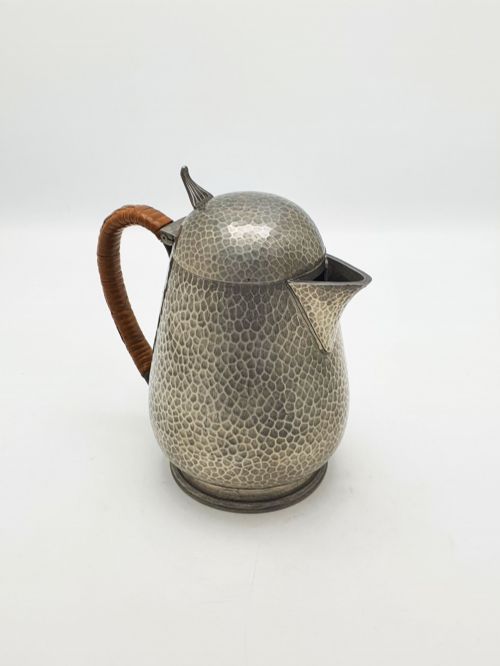
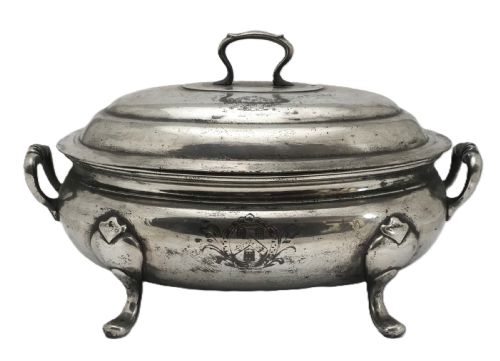
Functional serveware dominates the selection, encompassing coffee pots, tureens, cheese dishes, and novelty spoon warmers. Each object reflects the dining habits and metalworking skills of its specific period.
Materials and construction methods
Makers utilised base and precious metals, combining cast-iron, copper, brass, pewter, and silver plate to achieve both structural durability and decorative appeal. Techniques such as hand-engraving, casting, and silver plating over copper define the manufacturing standards of these historical items.
Many items feature applied details like cane handles, glass liners, or engraved coats of arms, showing the careful assembly required for daily table use. Old Sheffield plating techniques appear alongside Victorian electroplating, marking shifts in metal technology over the centuries.
Listings include items spanning the 18th century, the Georgian era, the Victorian period, and early 20th century movements like Arts and Crafts.
Distinctions in quality and execution
Quality rests in the crispness of cast ornamentation, the integrity of the metal plates, and the balance of applied handles and spidery legs. Superior items display careful hand-chasing, clear hallmarks or maker stamps, and harmonious proportions.
Lower tiers often show repetitive machine finishing, excessive wear to silver plate revealing base metals, or replacement parts that disrupt the period accuracy of the vessel.
Padley Parkin·Boardman Glossop And Co·Christofle Gallia·Hukin And Heath
The Antique Metal Server Glossary
- Samovar
- A heated metal container traditionally used to boil water for tea, often featuring an internal vertical metal tube.
- Old Sheffield Plating
- A fused laminate of silver and copper produced by heating and rolling the metals together before fabrication.
- Toast Rack
- A small table frame with vertical metal dividers designed to hold slices of toast upright.
- Tureen
- A deep covered bowl used for serving soups, stews, or gravies at the dining table.
- Ewer
- A large pitcher with a flared spout, used historically for pouring water or wine.
Antique Metal Server: Frequently Asked Questions
Are these metal servers safe for daily use?
Most antique servers function well for dry goods, display, or serving hot water, though older plated items require careful handling.
Check for interior corrosion or lead solder before using any vessel for consumable liquids or food.
How can I tell Georgian metalwork from Victorian pieces?
Georgian metalwork often displays restrained neoclassical lines, hand-beaten surfaces, or early Old Sheffield plating characteristics.
Victorian items typically favour heavier cast ornamentation, ornate revival styles, and later electroplating methods.
What is the difference between a samovar and a tea urn?
A samovar traditionally incorporates an internal charcoal or electrical heating flue to maintain boiling water temperatures.
A tea urn relies on external heat sources or serves simply as a large vessel for dispensing pre-heated tea.