
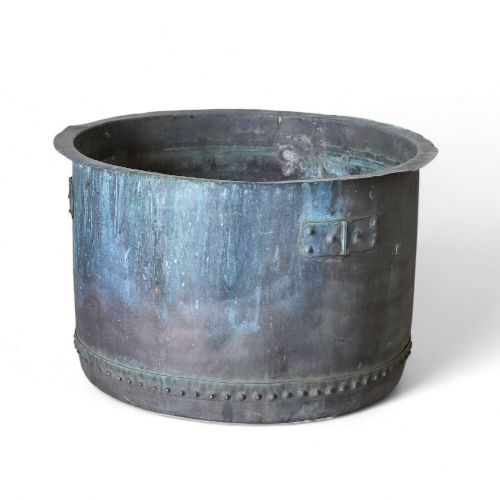
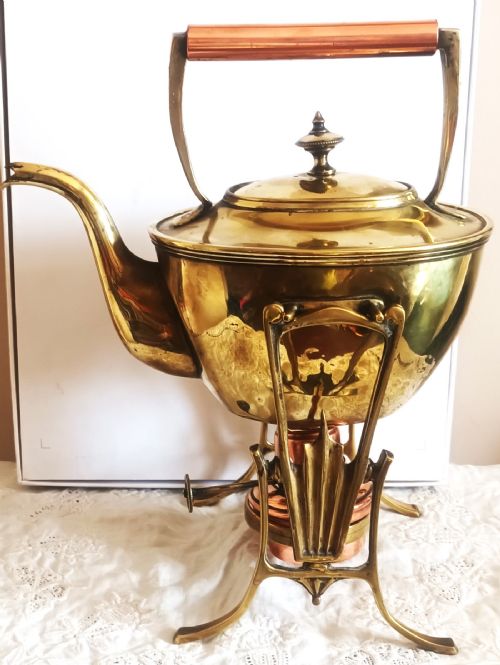
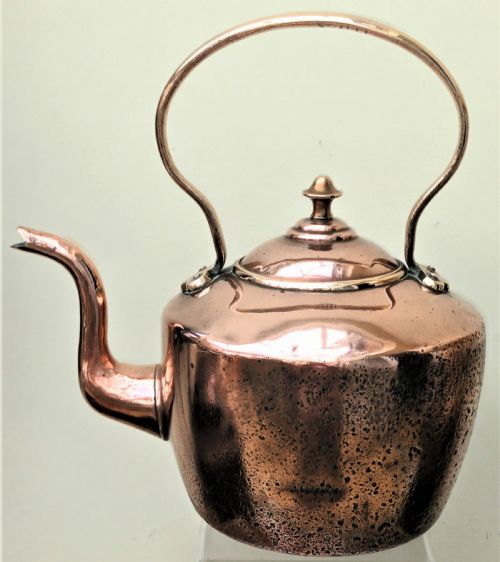
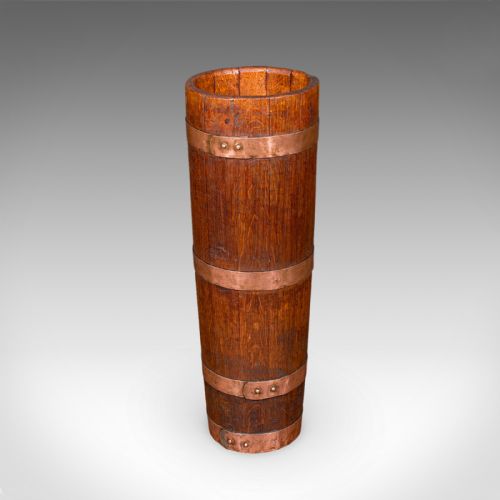


English Victorian Copper Vessel
These English Victorian copper vessel selections offer solid utility and rich metalwork from the nineteenth century for any fireside or hall.
English Victorian Copper Vessel
An english victorian copper vessel encompasses a diverse range of domestic and utilitarian objects from the nineteenth century, including kettles, coal scuttles, planters, and umbrella stands. Buyers searching for this phrase seek practical metalware that served daily nineteenth-century household needs.
The selections available here lean heavily toward fireside equipment and hallway items, with numerous kettles, coal bins, and stick stands appearing across the listings. Planters, samovars, and pouring jugs also feature among these nineteenth-century forms.
Most items date broadly to the Victorian era, spanning from the early nineteenth century through to the year nineteen hundred. Stylistic influences include standard Victorian utilitarian design, alongside later Arts and Crafts and Art Nouveau treatments.
How they were made
Construction techniques rely on hand-beating and hand-riveting sheets of copper to form robust domestic containers. Makers utilised these methods to ensure durability for heavy daily use in nineteenth-century homes.
Listings combine nineteenth-century periods with materials including copper, brass, iron, oak, tin, and bone.
What varies in quality
Quality in these copper items is determined by the weight of the metal and the precision of the hand-beating or riveting. Substantial gauge copper and neat structural joints distinguish heavier utilitarian pieces from lighter domestic items.
Surface finish and natural patina also separate pieces, with well-preserved patination indicating age and careful preservation. The integration of secondary materials like brass mounts and oak staves further influences the character of each vessel.
William Soutter & Sons·S Hancock
The English Victorian Copper Vessel Glossary
- Patina
- The surface oxidation and coloration developed on copper over time through age and handling. This natural layer often exhibits deep warmth and varied tones.
- Coopered
- Made by a cooper using wooden staves bound with metal hoops, as seen in certain umbrella stands. This technique mirrors traditional barrel-making.
- Samovar
- A heated metal container traditionally used to boil water for tea. These large urns often incorporate intricate spigots and handles.
- Riveted
- Joined together using metal bolts or pins hammered flat at the ends. Hand-riveted seams provide structural strength along the edges of heavy planters and bins.
- Utilitarian
- Designed primarily for practical use rather than purely decorative display. Nineteenth-century utilitarian wares prioritized robust construction for daily chores.
English Victorian Copper Vessel: Frequently Asked Questions
What is an english victorian copper vessel used for?
These items served various practical functions in nineteenth-century households, ranging from heating water and storing coal to holding umbrellas and plants.
Buyers today utilise them primarily as decorative storage containers or fireside accessories that bring period character to modern interiors.
How do I clean copper vessels?
Maintenance depends on whether you prefer a bright polished finish or a dark natural patina.
Most collectors prefer to preserve the aged surface with gentle dusting rather than aggressive chemical polishing.
How can I tell the period?
Dating relies on construction methods, such as hand-riveting and beaten textures typical of nineteenth-century workshops.
Stylistic cues like Art Nouveau curves or Georgian proportions also help narrow down the production era.
Where were these items placed?
Many pieces were designed for specific rooms, such as coal buckets by the hearth and umbrella stands in the hallway.
Kettles and samovars lived in kitchens and sculleries, while cream setting pans were used in dairies.