



Antique Metal Relief Plaque
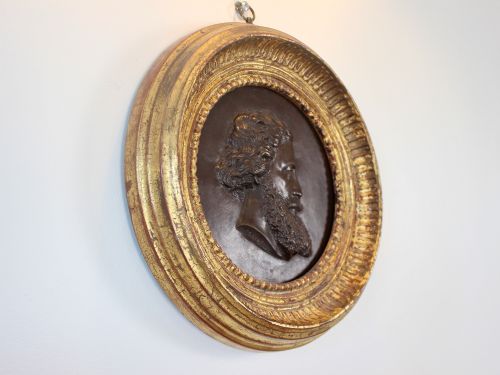
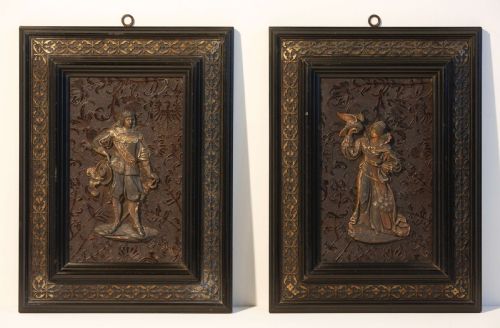
An antique metal relief plaque brings depth and texture to a wall, capturing portraiture, heraldry, and classical scenes in cast or beaten metal.
Antique Metal Relief Plaque
An antique metal relief plaque is a decorative wall-mounted piece designed to project imagery from a flat background, ranging from portrait medallions to large heraldic chargers. Buyers seek these out to introduce rich metallic tones and historical narratives into domestic interiors.
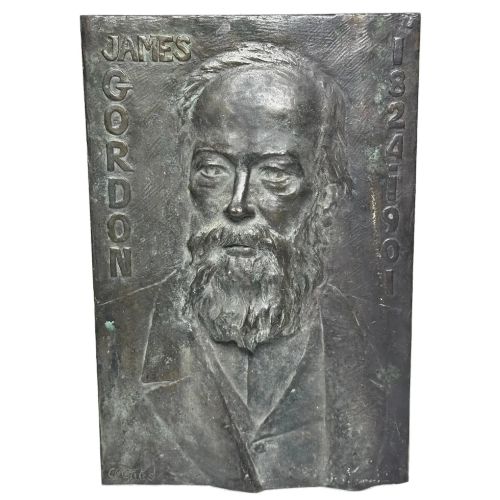
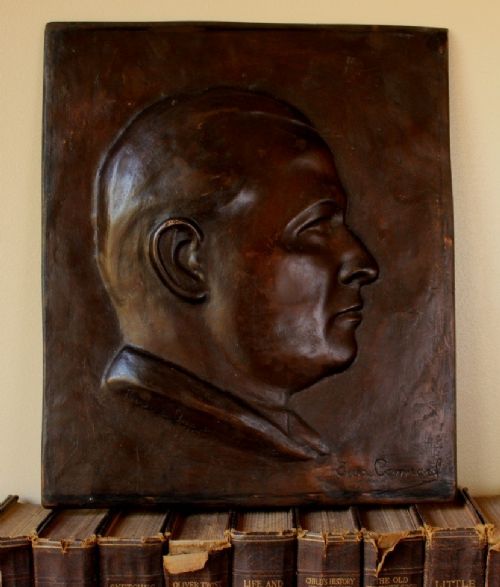
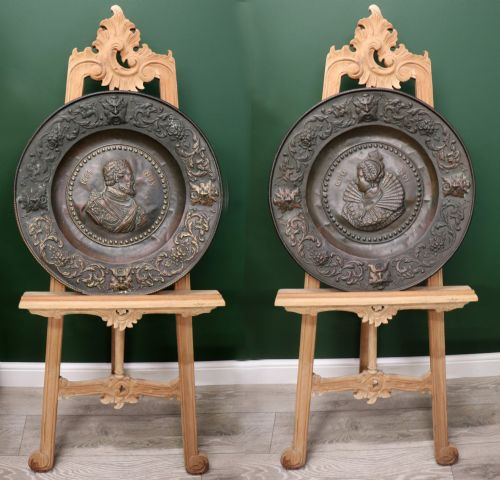
The pieces available on this page lean heavily towards nineteenth-century productions, spanning Victorian, Edwardian, and Art Nouveau aesthetics. Common forms include circular copper bowls, rectangular bronze portraits, and cast iron crests derived from international exhibitions and commemorative events.
Originating from British, French, German, and Asian workshops, these plaques often portray historical figures, mythological deities such as Neptune and Diana, and civic coats of arms. They serve as concentrated focal points that combine metalworking skill with sculptural artistry.
How they were made
Maker's workshops utilised casting, electrotyping, and hammering techniques to raise figures from sheets or molten pours of bronze, copper, brass, and iron. Bronze and brass were frequently cast using traditional foundry methods, capturing fine details in hair, drapery, and lettering.
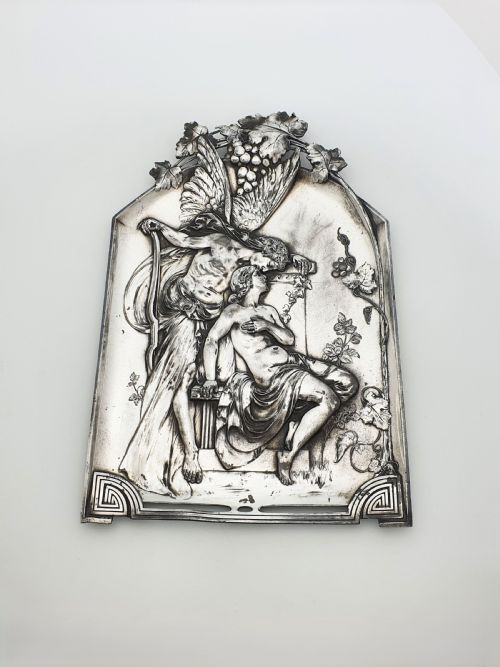
Silver plating and gilding added surface brilliance to base metals like copper and white metal, while electrotyping allowed makers to duplicate intricate historical reliefs accurately. Many pieces combine metal plaques with wooden mounts or brass frames to facilitate wall hanging.
What varies in quality
The integrity of the metal surface and the preservation of original patination dictate visual success, as excessive cleaning strips away age-related character. Structural soundness in the mounting frames and backing boards also influences the overall preservation of the work.
WMF·Elkington and Co·Kasli Foundry·Coalbrookdale
The Antique Metal Relief Plaque Glossary
- Relief
- A sculptural technique where figures project from a background plane rather than standing freely. Low relief keeps elements shallow, while high relief projects figures forward significantly.
- Electrotype
- A metal copy produced by electroplating copper or silver onto a mould. This process enabled exact nineteenth-century reproductions of fragile museum artefacts.
- Chasing
- The manual finishing of a metal casting using small punches and hammers to sharpen details and clean up surfaces. It represents the hand of the artisan after the initial pour.
- Charger
- A large ceremonial plate or dish used primarily for display rather than dining. Metal chargers often feature elaborate historical or mythological scenes across their central depression.
- Patina
- The surface sheen and colour acquired by metal through age, handling, and oxidation. Collectors prize an undisturbed patina for the historical depth it conveys.
Antique Metal Relief Plaque: Frequently Asked Questions
How were metal wall plaques displayed?
Nineteenth-century interiors often displayed these pieces mounted on velvet-backed wooden boards or hung directly by integrated loops. They served as focal points in libraries, studies, and formal reception rooms.
Today, they suit similar spaces where rich metal tones complement traditional wood panelling or neutral plastered walls.
What metals are most common?
Bronze and copper appear most frequently, valued for their warmth and responsiveness to patination. Brass, cast iron, and silver-plated white metal also feature across domestic and commemorative issues.
Each metal brings a distinct weight and surface character that influences how light interacts with the raised design.
Are these pieces signed by artists?
Selected pieces bear the signatures of individual sculptors or medallions, while others display foundry marks and exhibition stamps. Signed examples often link directly to known European makers and exhibitions.
Unsigned plaques remain common, reflecting standard commercial foundry production from the Victorian and Edwardian eras.
How do I clean an antique plaque?
Original metal surfaces require minimal intervention to preserve the accumulated patina and age character. Dusting with a soft, dry cloth prevents particulate build-up without risking the finish.
Avoid chemical metal polishes, which strip away historic patination and diminish the visual depth of the relief.