
Antique Metal Planter Pot
An antique metal planter pot brings heavy texture and quiet utility to a room, holding greenery with the unpretentious weight of past centuries.
Antique Metal Planter Pot
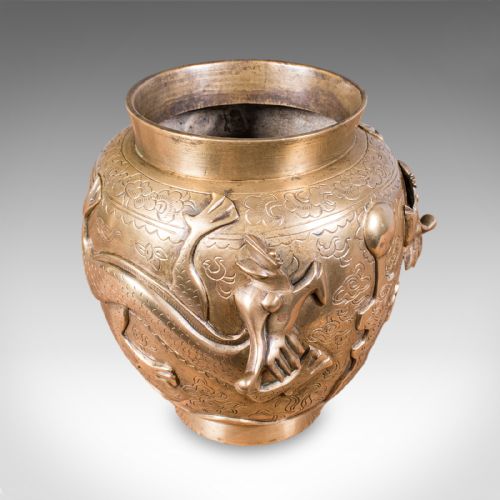
When someone searches for an antique metal planter pot, they encounter a heavy-duty vessel designed originally for domestic, garden, or fireside use that now serves primarily as a decorative container for houseplants.
The pieces available here lean heavily toward nineteenth-century production, spanning the Victorian and Edwardian eras with occasional Georgian and 1880 examples.
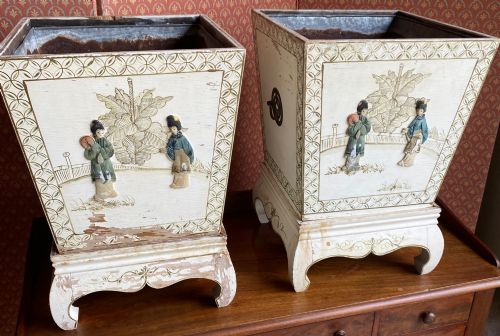
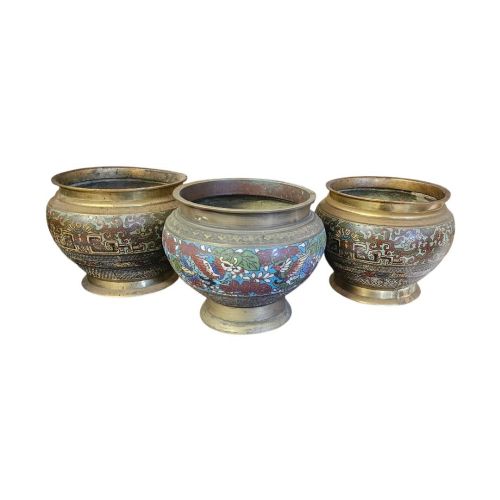
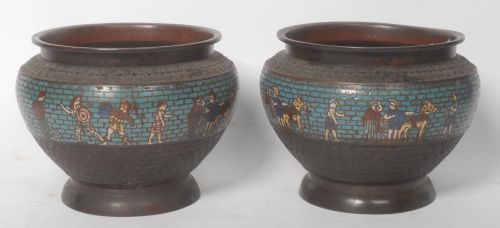
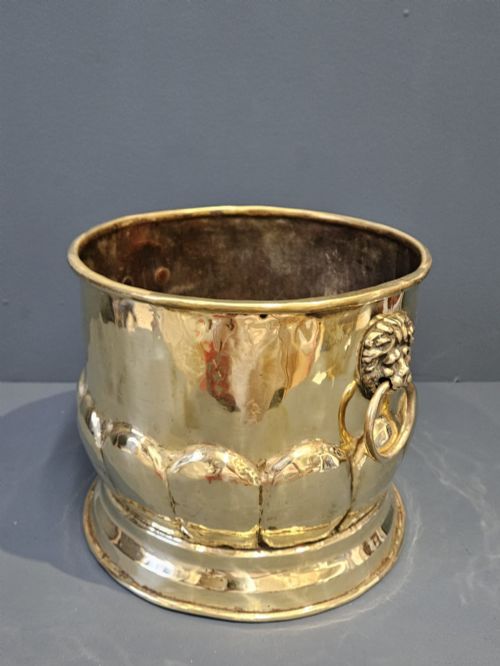
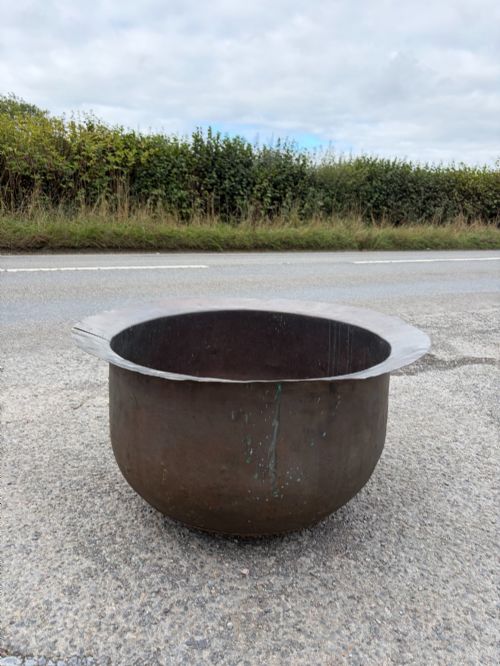
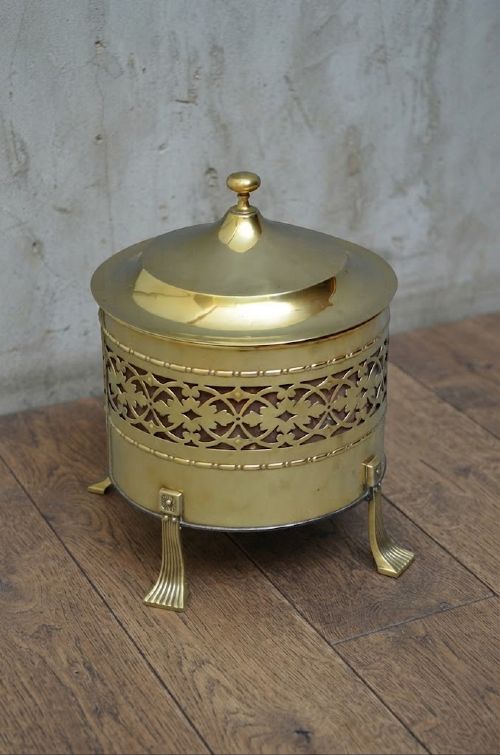
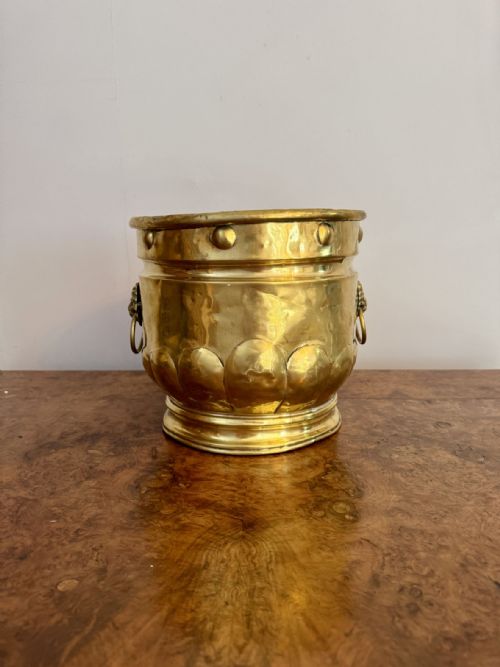
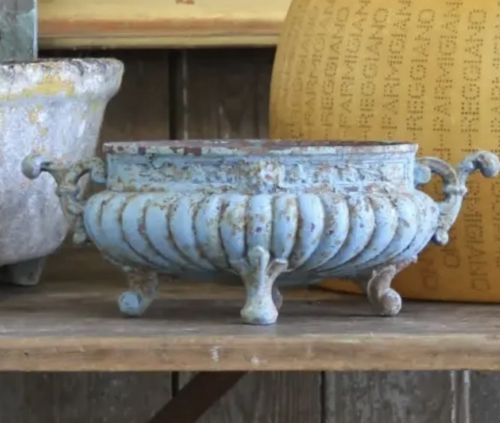
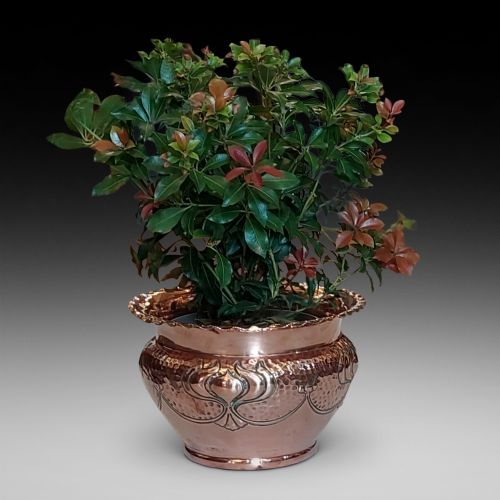
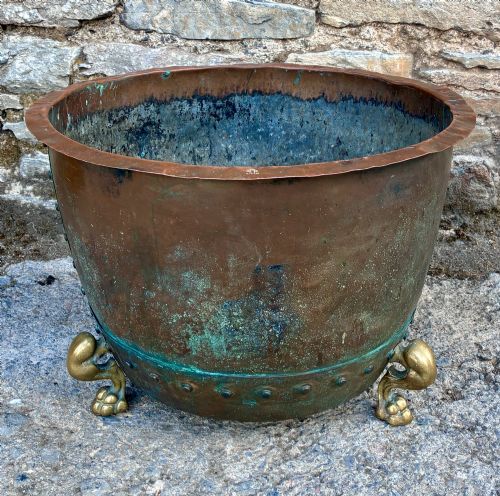
Forms cross various utility types, appearing as large copper pots, jardinieres, coal buckets, garden urns, and cachepots shaped from sheet metal or cast in iron and bronze.
Materials and construction methods
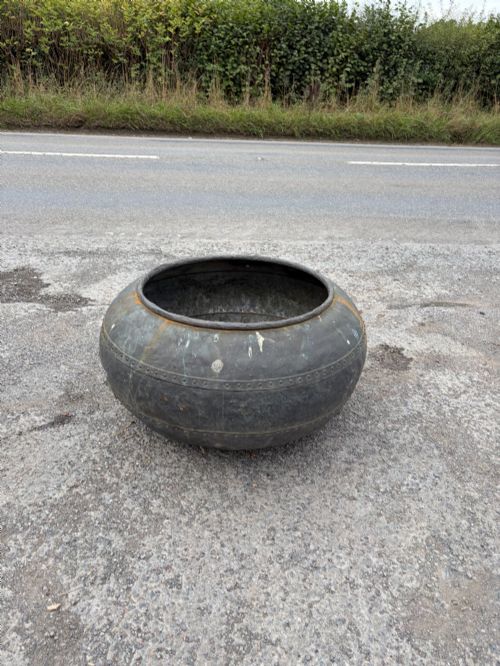
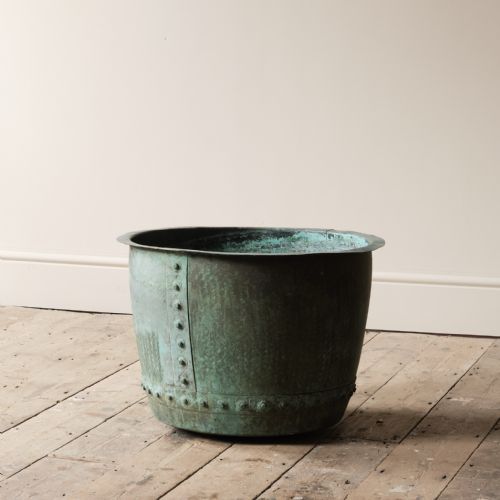
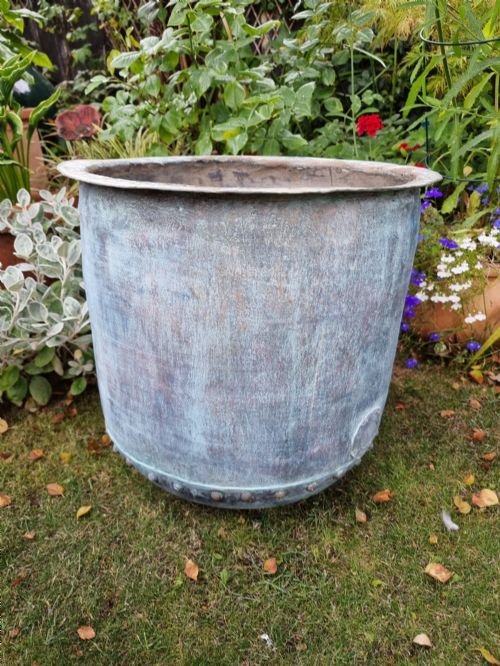
Makers formed these vessels predominantly from sheet copper and brass, frequently joining the seams with hand-driven rivets and pairing them with wrought iron handles.
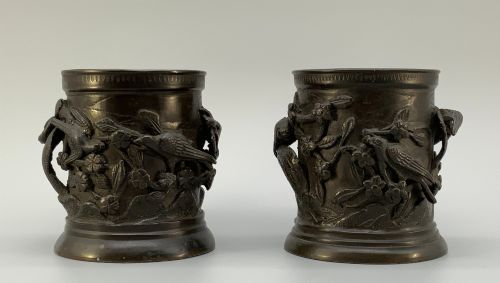
Heavier garden examples relied on cast iron to create rigid, durable urns that could withstand outdoor elements, while specialised pieces incorporated bronze casting and applied brass fretwork or cast shields.
Listings feature items spanning the 18th, 19th, and early 20th centuries, utilising brass, copper, cast iron, and bronze.
Distinctions in standard and finish
Quality rests in the integrity of the metalwork, distinguishing robust hand-riveted construction and substantial gauge copper from lighter machine-stamped alternatives.
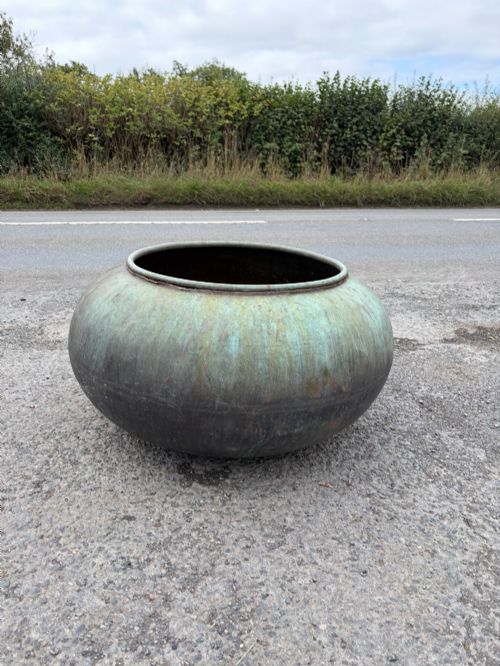
Surface character also separates examples, where a rich natural patina, honest verdigris, or original distressed paint elevates a piece far above stripped or over-polished metal.
The Antique Metal Planter Pot Glossary
- Jardiniere
- An ornamental pot or stand for plants, usually designed to sit on the floor or a table rather than hang.
- Verdigris
- The green patina that forms naturally on copper, brass, or bronze through atmospheric oxidation over long periods.
- Cachepot
- A decorative flowerpot cover designed to hide a plain inner pot with drainage holes.
- Cast Iron
- Iron shaped by pouring molten metal into a mould, common in heavy garden urns and structural planters.
Antique Metal Planter Pot: Frequently Asked Questions
Can I plant directly into these pots?
Many older metal vessels lack drainage holes, meaning direct planting can trap moisture and accelerate internal corrosion over time.
Using a plastic nursery liner inside the metal pot protects the antique material while keeping watering simple and safe for the roots.
How do I clean an antique copper pot?
Wash the surface gently with warm water and mild soap to remove dust, avoiding harsh chemical dips that strip away desirable age.
Leaving the dark oxidation and verdigris intact preserves the historical character that collectors value in these pieces.
Where were these metal planters made?
Production spans domestic workshops and continental makers, with many items originating in France, Britain, Belgium, and the Netherlands.
Specific regional styles also appear from India and Japan, reflecting international trade and colonial design influences of the nineteenth century.
How do I date a brass jardiniere?
Dating relies on construction clues such as hand-driven rivets, dovetail joins, and the specific style of handles or applied crests.
Design motifs like Arts and Crafts hand-hammering or Gothic revival shields also point toward precise decades within the Victorian and Edwardian periods.