
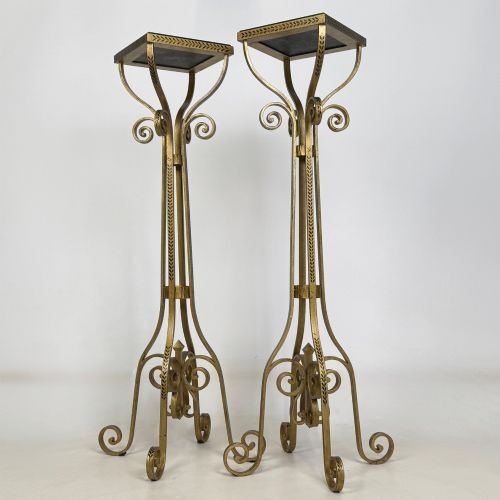
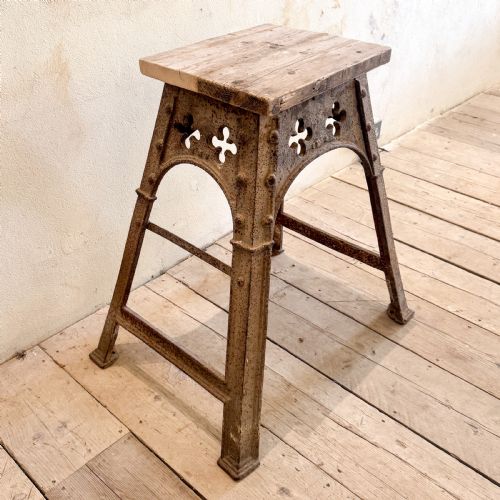
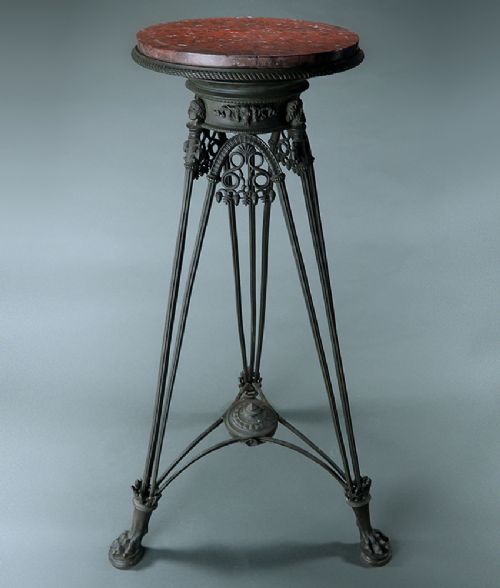

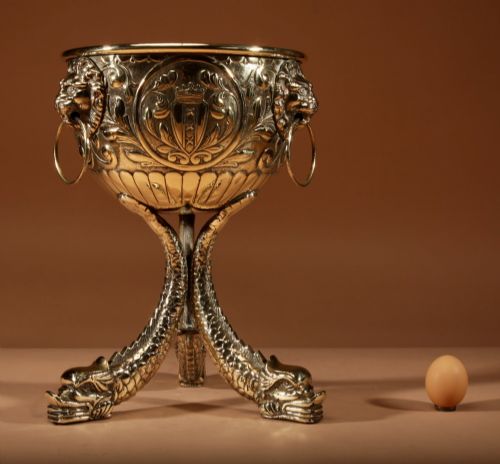


Antique Metal Plant Pedestal
An antique metal plant pedestal elevates greenery with solid Victorian or Edwardian architecture, bringing industrial strength and botanical display together in the room.
Antique Metal Plant Pedestal
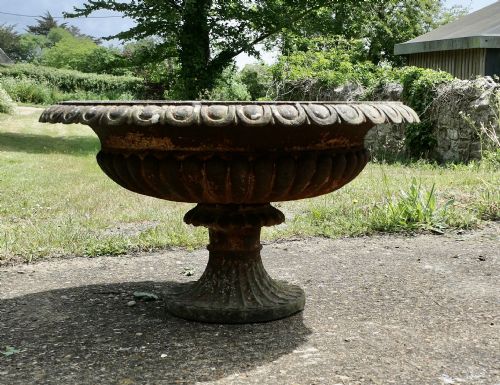
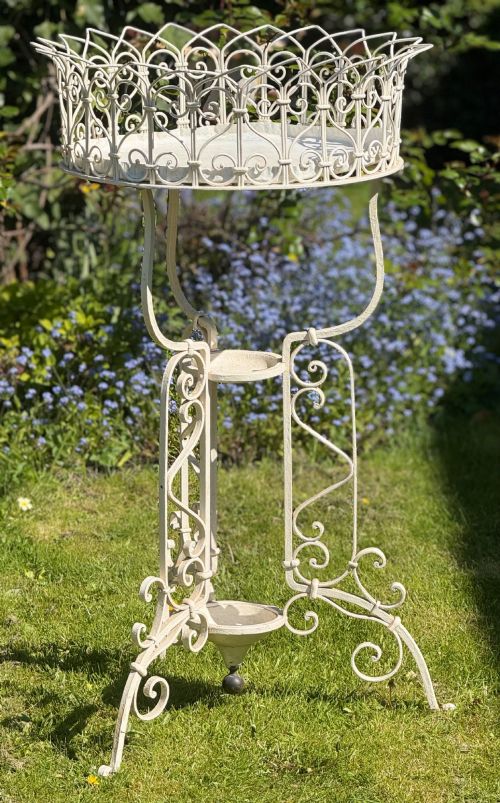
An antique metal plant pedestal serves as a raised platform or container for foliage, merging structural support with decorative metalwork. These pieces span the nineteenth and early twentieth centuries, appearing in forms from simple industrial stands to ornate jardinieres.
Buyers will most frequently encounter brass, cast iron, and wrought iron configurations on this page. Many examples combine these metals with stone tops, such as marble or onyx, creating sturdy surfaces designed specifically to hold heavy pots.
Origins stretch across British, French, Dutch, and Italian workshops, displaying stylistic influences from Gothic Revival to Art Nouveau. Whether formatted as tall pedestals or low garden urns, each item is built to elevate plants within domestic and conservatory spaces.
Materials and construction
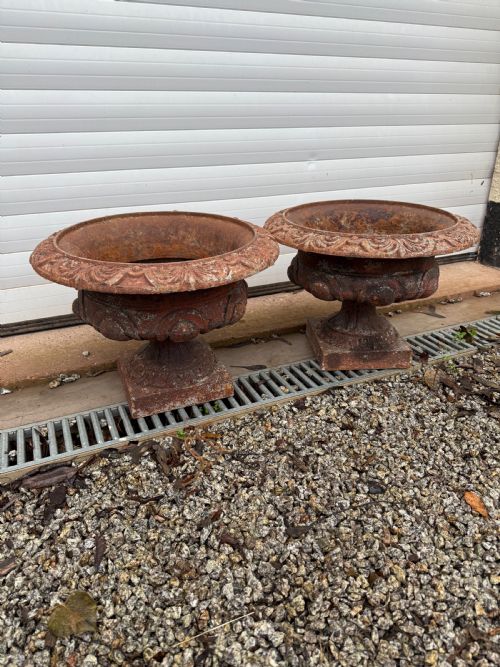
Cast iron and brass form the structural core of these stands, shaped through founding, pressing, and hand-chasing techniques. Foundries utilised intricate moulds to produce repetitive botanical motifs and structural ribs on urns and bases.
Combinations of mixed media define many pieces, pairing metal frames with inset marble tops, copper trays, or carved timber accents. Surface finishes include polished brass, painted surfaces, and gilded details applied to iron frameworks.
Listings feature items spanning the 19th century through the 1930s, utilising brass, cast iron, marble, and bronze.
Assessing quality in metal plant stands
Quality rests upon the crispness of the casting and the integrity of the joins between metal components. Finer pieces display sharply rendered chased details on brass and well-defined relief work on iron urns, whereas lesser examples show softer, blurred contours.
The choice and thickness of accompanying materials also distinguish the range, such as solid slab marble versus thin composite inserts. Original components, including matching stands and liners, elevate the standing of a piece compared to marriages of mismatched parts.
The Antique Metal Plant Pedestal Glossary
- Guéridon
- A small, tall occasional table, often featuring a round top supported by a central column or tripod base. French examples frequently incorporate marble tops.
- Campana urn
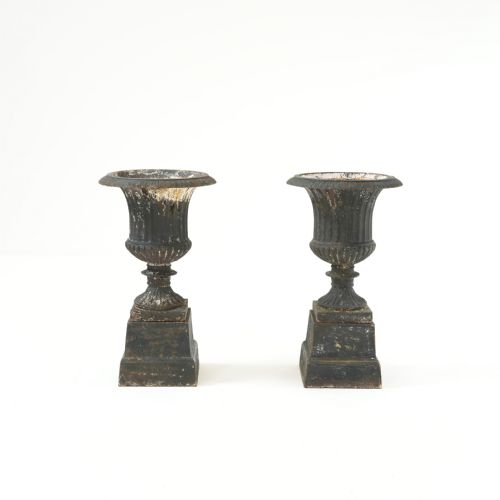
- A bell-shaped garden vessel with an everted rim, typically mounted on a plinth base. Cast iron versions appear frequently across nineteenth-century garden furniture.
- Dinanderie
- Objects made of beaten or engraved brass and copper, named after the town of Dinant in Belgium. Pieces often feature embossed surface patterns.
- Etruscan Revival
- A nineteenth-century design style drawing on ancient Greek and Roman motifs. Items in this style incorporate classical architectural elements.
Antique Metal Plant Pedestal: Frequently Asked Questions
What is an antique metal plant pedestal?
It is a raised stand or container built from materials like brass or cast iron to display indoor plants or garden foliage. These objects date across the nineteenth and early twentieth centuries.
They function as both structural supports and decorative items, combining metalwork with surfaces like marble or tiled insets to handle moisture and weight.
How were these stands used originally?
Victorians and Edwardians placed them in conservatories, drawing rooms, and hallways to showcase large ferns and flowering plants. Raising foliage improved air circulation and protected household floors.
They also served as occasional tables or display surfaces for lamps and decorative objects when not holding plants.
Can these metal plant stands go outdoors?
Cast iron urns and heavy wrought iron stands handle garden environments well due to their robust metal construction. They frequently appeared on terraces and lawns.
Brass and pressed metal items with delicate finishes or marble tops are better suited to indoor or sheltered conservatory settings to prevent corrosion.
How do I tell Victorian from Edwardian stands?
Victorian pieces tend to feature heavier Gothic Revival, Renaissance Revival, or industrial cast iron forms with dense ornamentation. They emphasise solid mass and dark patination.
Edwardian examples often lean towards lighter brass construction, incorporating Art Nouveau fluidity or refined neoclassical symmetry with slender legs and subtle engraving.