
Antique Metal Irons
These antique metal irons are substantial furnishings and household objects shaped from iron, brass, and steel across the nineteenth and early twentieth centuries.
Antique Metal Irons
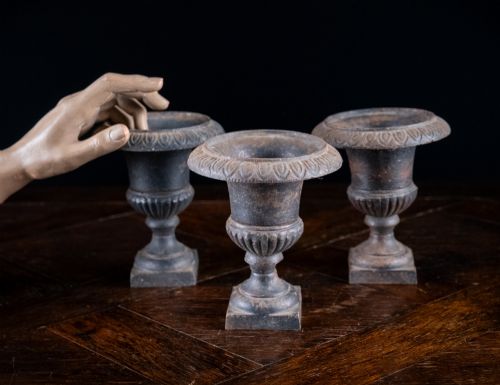
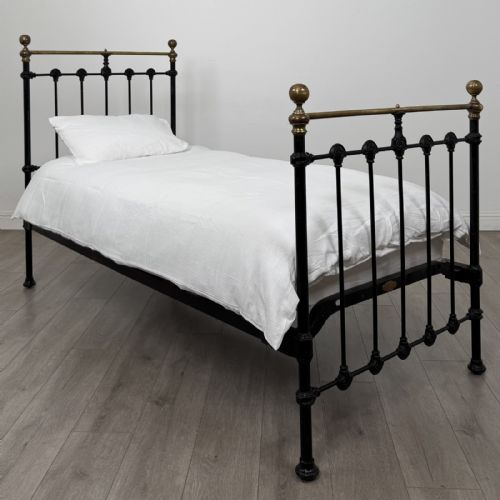
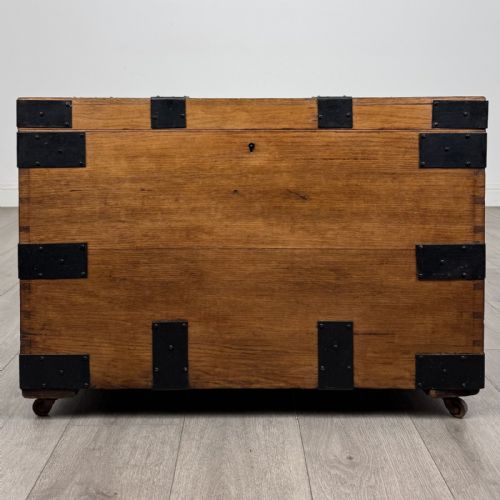
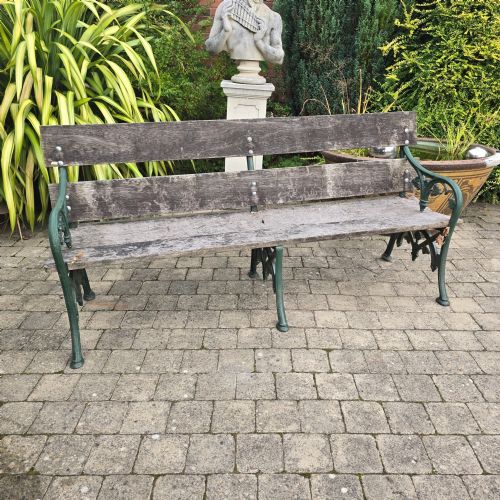
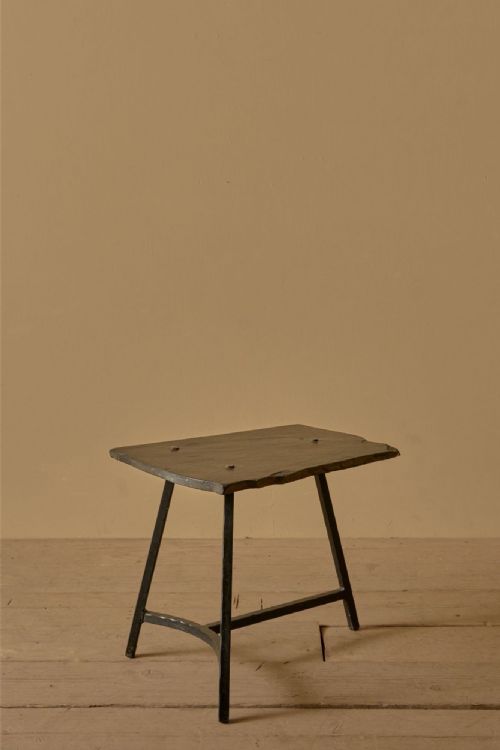
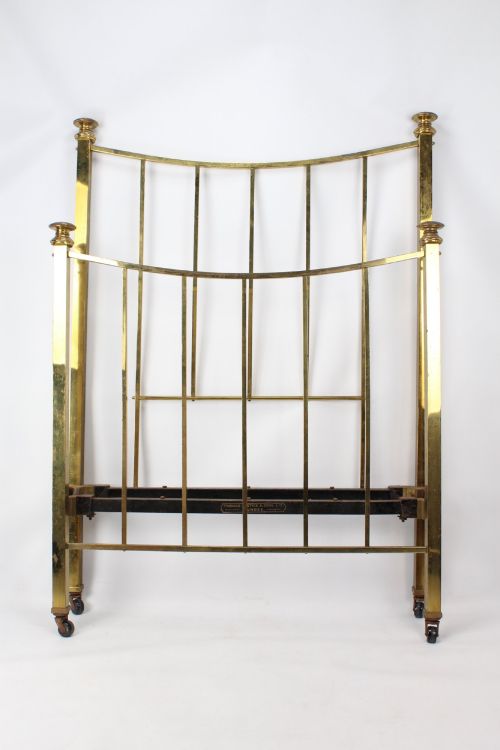
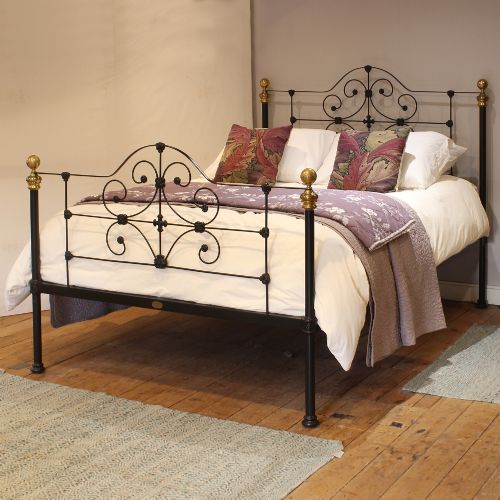
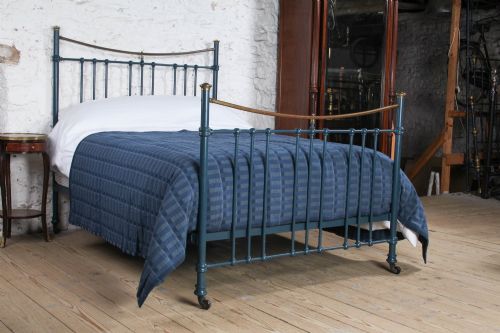
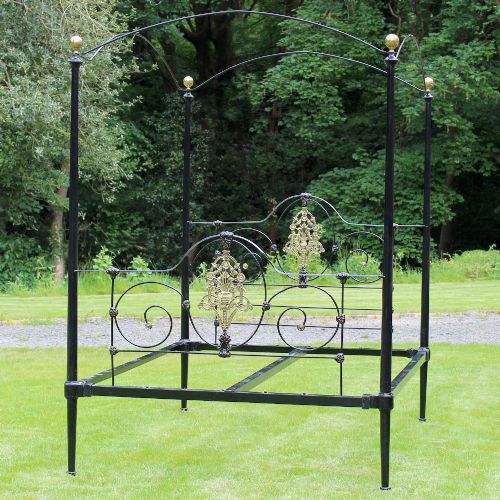
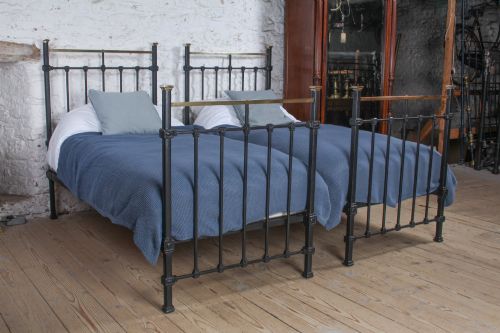
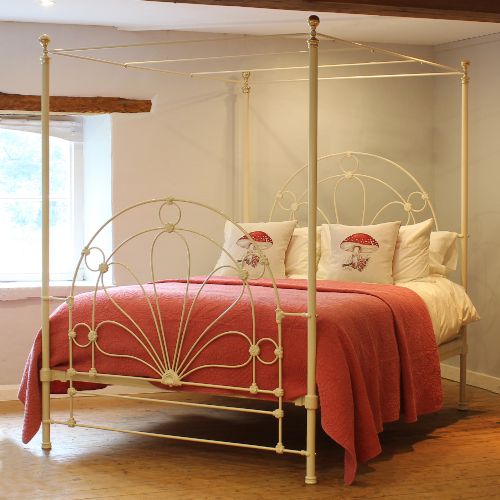
When people search for antique metal irons, they generally encounter robust beds, garden furniture, chandeliers, and utilitarian objects spanning the Victorian, Edwardian, and early twentieth-century periods. The selection on this page primarily showcases heavy iron and brass bed frames, garden benches, and occasional tables.
Originating largely from the nineteenth century onward, these pieces range from simple single and double bed frames to ornate French chandeliers and industrial seating. The physical form usually combines sturdy structural metal with decorative elements such as brass accents, cast-iron scrollwork, or painted finishes.
Buyers look for these items to anchor a room with period character, whether through a heavy cast-iron garden seat or a Victorian brass-mounted bed. The diversity of objects reflects a time when metalworking served both functional utility and domestic ornamentation.
How they were made
Construction relies heavily on cast iron, wrought iron, brass, and steel, often combined within a single object such as a brass-mounted iron bed frame. Blacksmiths and factories utilised casting, forging, and tubular metal assembly to create rigid frameworks.
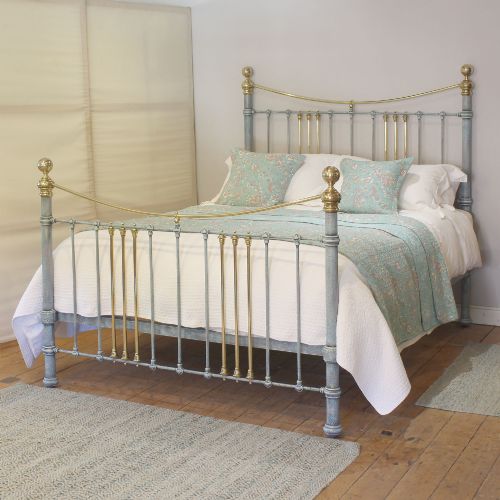
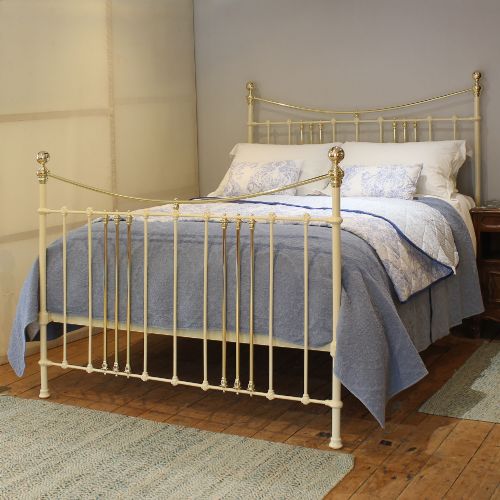
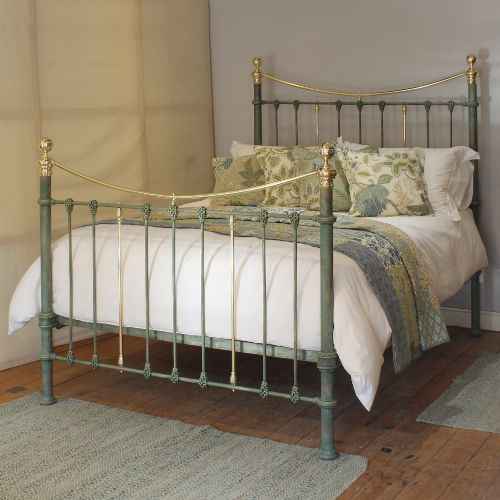
Surface finishes vary from painted layers in black, cream, and green verdigris to exposed polished brass and steel. Many items incorporate structural fixtures like castors, rings, and slatted bases designed for daily domestic use.
Listings include items from the Victorian, Edwardian, and Art Deco periods utilising cast iron, wrought iron, and brass.
What varies in quality
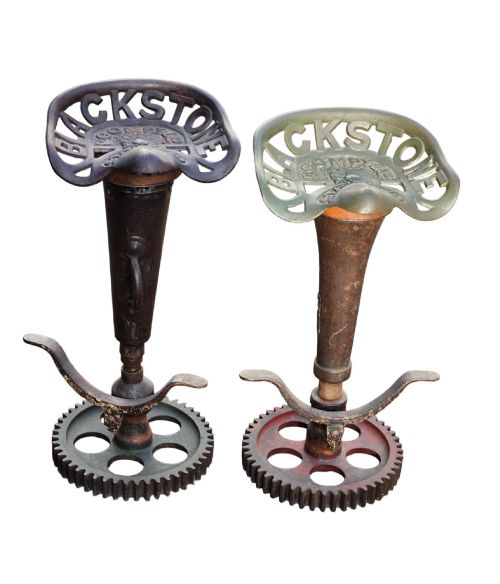
Quality in these pieces is dictated by the crispness of the metal casting and the integrity of the original construction rather than surface wear alone. Maker attribution, such as work by established firms like Hoskins & Sewell or Blackstone & Co, distinguishes standard production from superior examples.
The sophistication of the design, from simple utilitarian forms to intricate Gothic Revival or Art Deco detailing, separates ordinary items from exceptional ones. Original components, such as intact brass fittings and uncompromised structural joints, hold greater regard.
Blackstone & Co.·Hoskins & Sewell·Winfield
The Antique Metal Irons Glossary
- Cast iron
- Iron melted and poured into a mould to create rigid, decorative forms. This material defines the heavy frames of garden benches and bed structures.
- Wrought iron
- Iron heated and hammered into shape by a blacksmith. This technique produces durable, slightly irregular structural components and decorative scrolls.
- Verdigris
- A green patina formed naturally or chemically on copper, brass, or bronze surfaces. It often appears on garden furniture and metal frames exposed to the elements.
- Dip rail
- The curved top rail found on the footboard or headboard of a bed frame. This design element characterises many Edwardian sleeping quarters.
- Fire dogs
- Metal supports placed within a hearth to hold logs above the floor. These functional items frequently feature heavy steel or iron construction.
Antique Metal Irons: Frequently Asked Questions
What periods do these metal pieces date from?
The pieces span the nineteenth and early twentieth centuries, encompassing Victorian, Edwardian, and Art Deco eras.
Dates range from mid-nineteenth-century items through to the 1930s and 1950s industrial designs.
How do I identify a brass and iron bed?
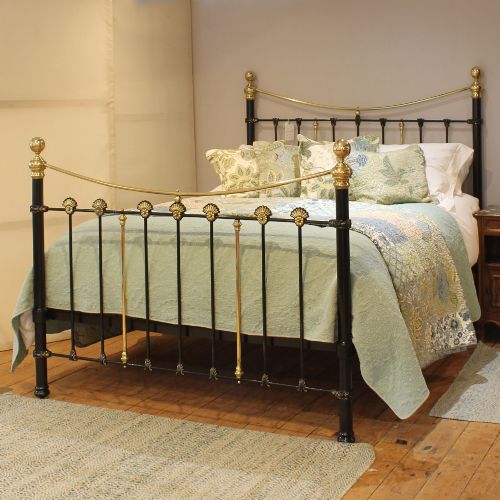
These beds combine dark iron frames with bright brass tubing, knobs, and decorative cast elements.
Victorian and Edwardian examples frequently utilise square or round metal tubes alongside ceramic castors.
Are these garden seats weather resistant?
Garden benches and tables are constructed from heavy cast iron and wrought iron designed for outdoor placement.
Many retain painted finishes or verdigris patinas accumulated through decades of exposure.
How do I choose the right size bed?
Listings designate sizes ranging from narrow single frames to double and king sizes.
Buyers should measure available floor space to accommodate specific headboard heights and side rails.