




Antique Metal Doorstop
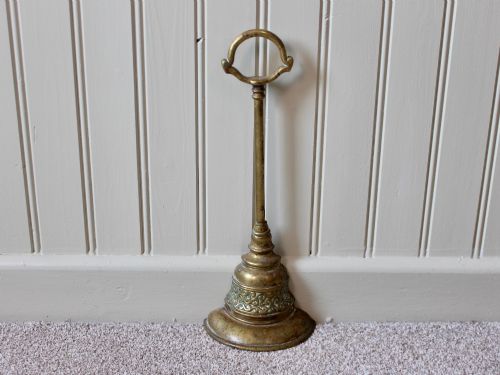
These antique metal doorstop examples combine heavy utility with distinct Victorian character, offering a practical way to hold open heavy interior doors.
Identifying an antique metal doorstop
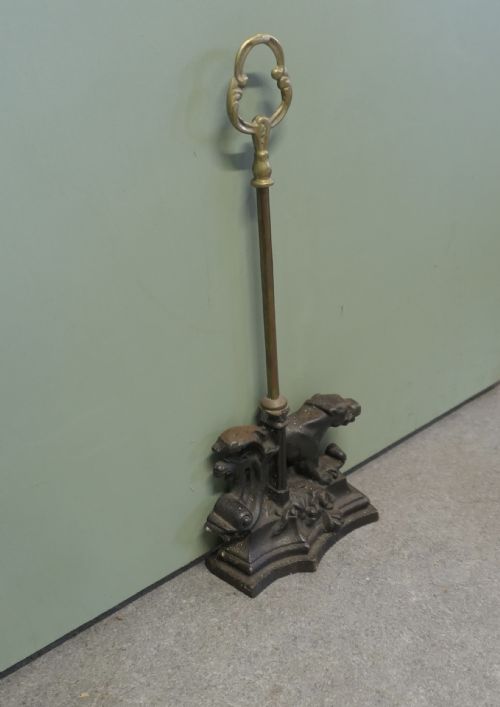
An antique metal doorstop serves the heavy lifting of domestic utility while bringing sculpted character to a hallway or hearth. The pieces on this page span the nineteenth century, including specific dates like eighteen sixty and eighteen eighty, alongside general Victorian examples.
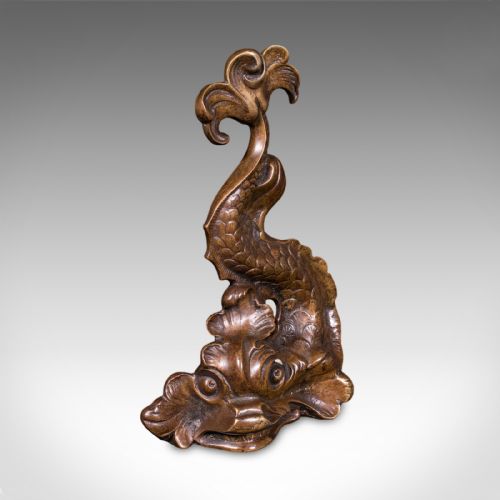
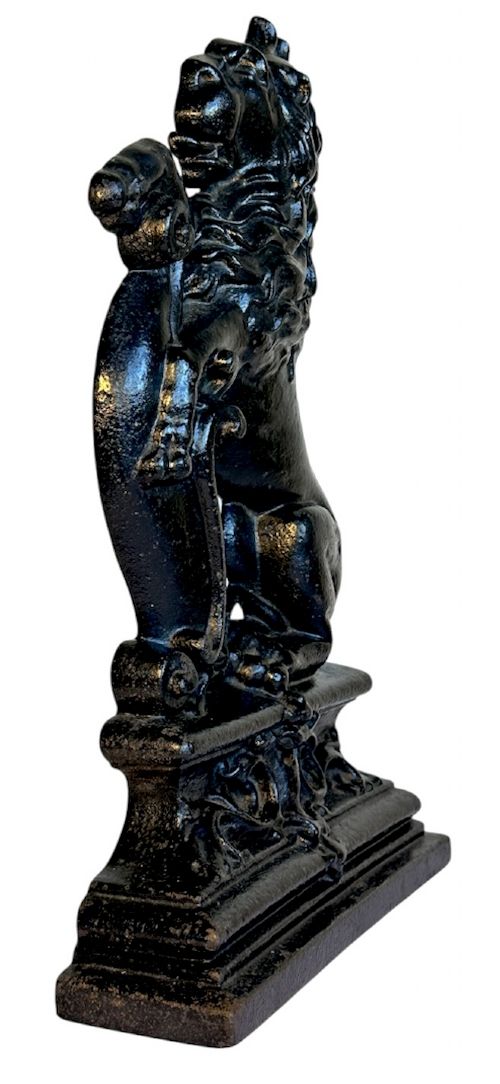
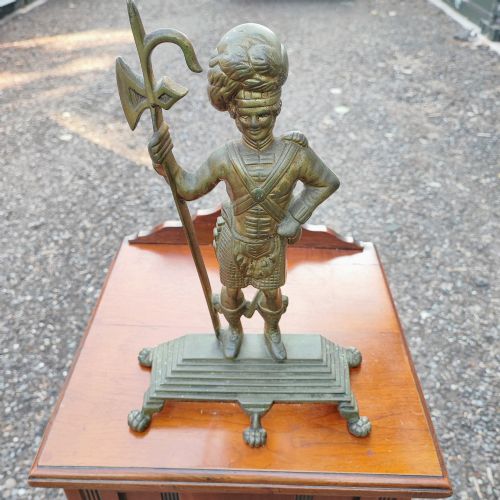
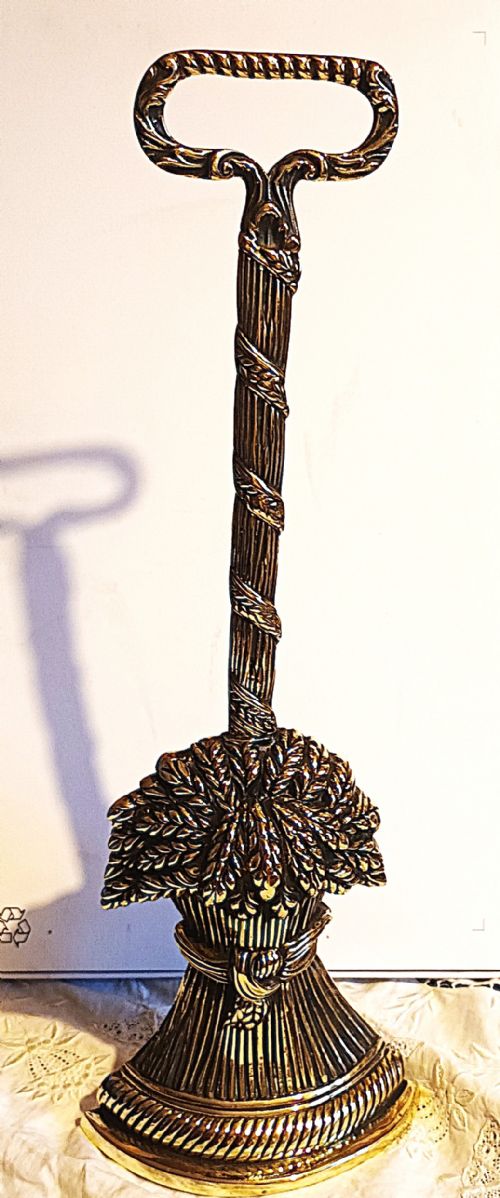
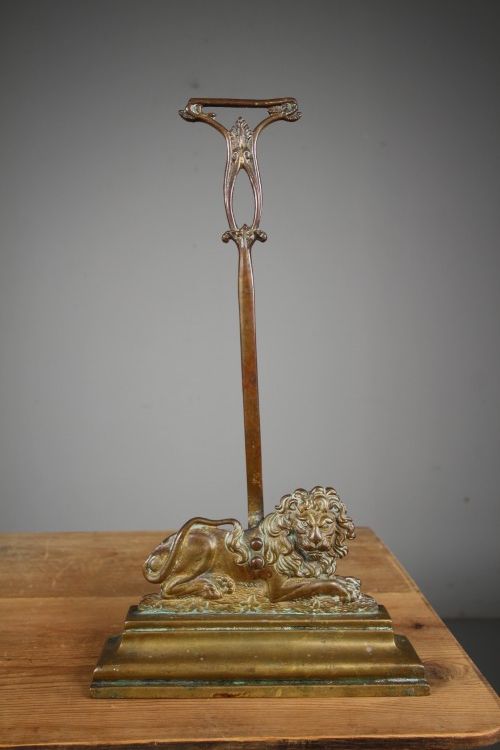
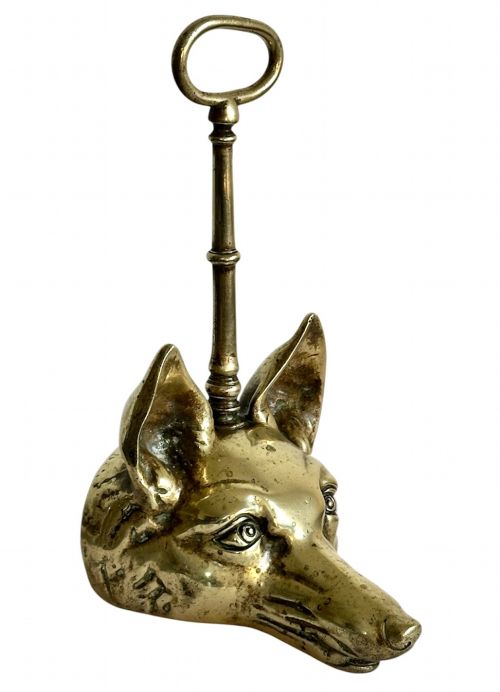
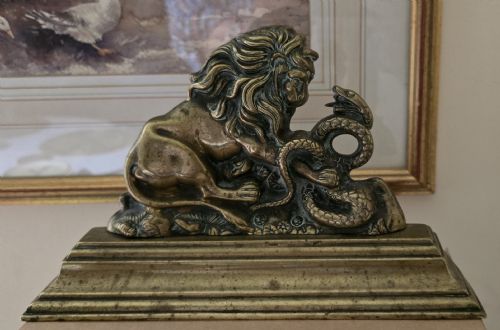
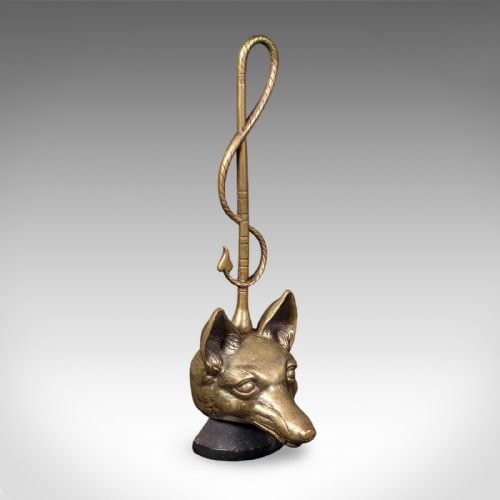
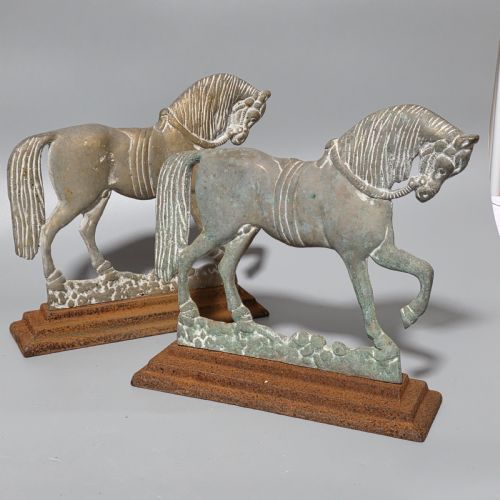
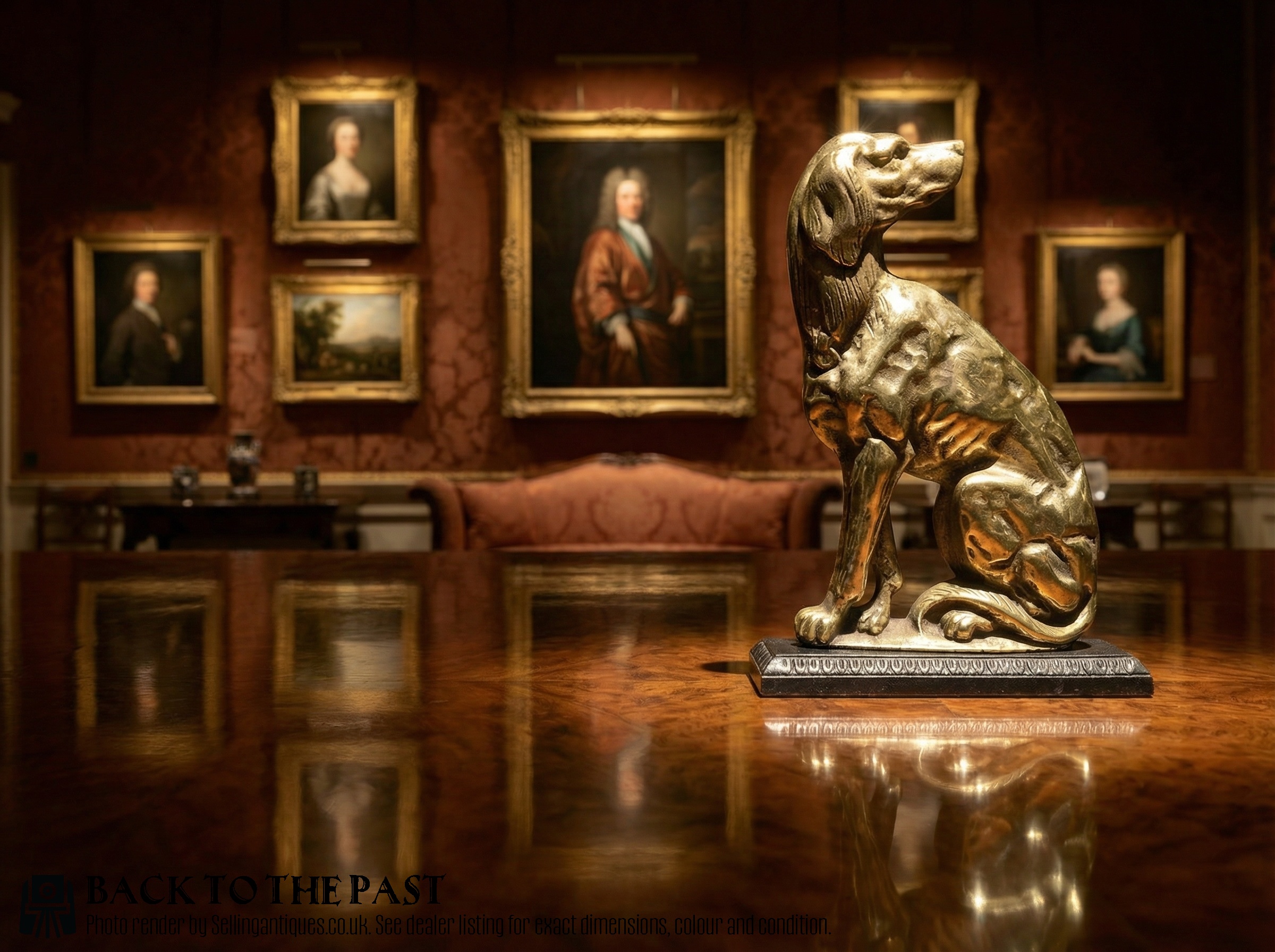
The forms take varied shapes, ranging from animal figures like lions, serpents, horses and dogs to figural characters such as Mr Punch and the Manchester man. Certain heavy items double in function as paperweights, showing how utilitarian objects often crossed boundaries in nineteenth-century rooms.
Most items emerge in cast iron or cast brass, reflecting the robust materials favoured by Victorian foundries. These pieces functioned as permanent fixtures in busy households, designed to withstand daily knocks while adding decorative interest to doorways.
Materials and construction
Foundries produced these objects primarily through traditional casting methods in iron and brass. Molten metal poured into moulds captured fine details in animal manures, facial expressions and clothing folds before cooling into heavy, solid forms.
Brass examples often received polishing or finishing touches to highlight the warm metal surface, while cast iron pieces relied on their natural dark weight or painted surfaces. The resulting mass ensured the objects remained firmly in place behind heavy interior doors.
Retail Price Guide 2026
Typical UK retail prices for metal doorstop, calculated from the Sellingantiques database of over a million retail prices indexed since 2003. This retail price guide relies exclusively on Sellingantiques data; no external sources or auction records are used, so the figures do not describe the wider market.
Current site listings feature both cast iron and brass materials spanning the Victorian era, including dated pieces from eighteen sixty and eighteen eighty.
Assessing quality and presence
The choice of material also dictates the character of the piece, with solid cast brass offering a brighter metallic presence compared to the heavy industrial weight of cast iron. Proportion and balance matter greatly, ensuring the object performs its role effectively while retaining sculptural appeal.
The Antique Metal Doorstop Glossary
- Door stop
- A heavy portable object placed against the base of a door to prevent it from swinging shut. These items rely on substantial mass to hold doors in busy corridors.
- Door porter
- An alternative term for a heavy doorstop, often featuring an integrated handle or loop at the top for easy lifting. This term appears frequently on nineteenth-century examples.
- Cast iron
- A hard, brittle alloy of iron and carbon poured into moulds while molten. It provides the heavy, utilitarian backbone for many nineteenth-century domestic items.
- Cast brass
- An alloy of copper and zinc shaped by molten casting. This material offers a warmer golden tone and finer detail retention than iron.
Frequently Asked Questions
How heavy are these doorstops?
These pieces possess substantial weight derived from solid cast iron or brass construction. This mass allows them to hold heavy interior doors securely in place.
Their substantial nature means they function reliably without needing floor fixings, making them easy to move between rooms.
Were these always used for doors?
While primarily designed to hold doors open, certain smaller or denser castings served double duty as paperweights on nineteenth-century desks.
This crossover in utility reflects the practical approach of the period, where heavy metal objects found multiple uses around the home and office.
How do I date a metal doorstop?
Dating relies on stylistic clues, material choices, and foundry marks where present. Victorian examples often depict specific popular characters or animal motifs typical of the nineteenth century.
Comparing the casting sharpness and wear patterns against known period pieces helps narrow down the decade of production.
How should I clean a brass doorstop?
Brass surfaces respond best to gentle dusting and occasional cleaning with appropriate metal care products if polishing is desired. Many collectors prefer to leave historic patinas untouched.
Harrid abrasives should be avoided to preserve the original surface texture and ageing acquired over the nineteenth century.