


Antique Metal Cooking Vessel
An antique metal cooking vessel brings tangible weight and hearth-side history into a modern room.
Antique Metal Cooking Vessel
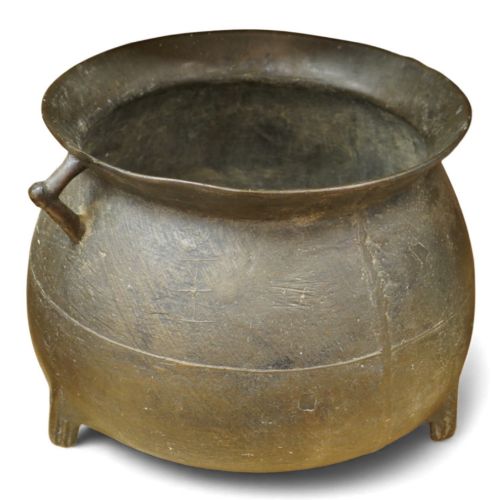
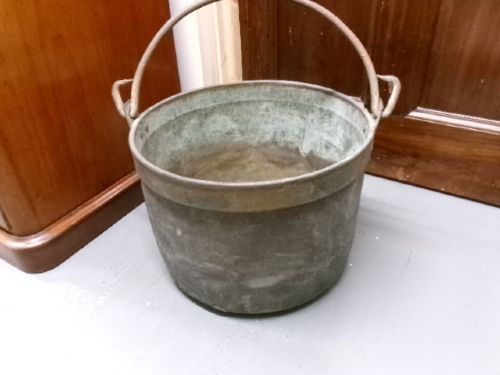
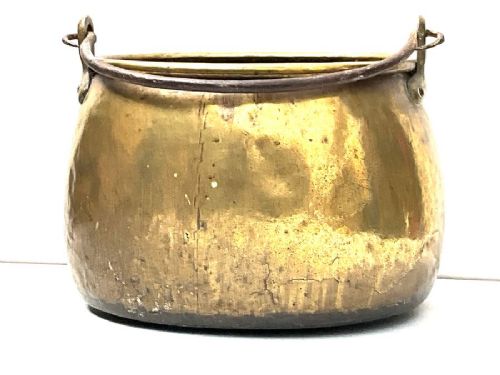
An antique metal cooking vessel encompasses functional hearth items such as cauldrons, saucepans, daubieres, and heavy pans. These utilitarian pieces span periods from the seventeenth century through the Victorian era.
The selections on this page lean heavily toward nineteenth-century copper and brass examples, alongside earlier seventeenth-century bronze cauldrons and Georgian copper pots.
Buyers encounter forms designed for open fire cooking, boiling, and stewing, originating from English, French, and broader continental workshops.
How They Were Made
Metals such as copper, brass, iron, and leaded bronze were shaped through casting, hammering, and riveting to withstand direct flame. Heavy copper pans and pots utilise sheet metal formed and joined with visible rivets.
Early cauldrons were cast in bronze and leaded bronze using sand or loam moulds, resulting in thick walls and integral feet. Handles in iron or brass were often attached with swing mechanisms or fixed lugs.
Materials span copper, iron, brass, wrought iron, leaded bronze, cast bronze, and standard bronze across multiple centuries.
What Varies in Quality
The thickness of the metal and the integrity of the original construction dictate the character of each piece. Substantial gauge copper and heavy bronze display superior durability and retain authentic surface patination.
Refinement in casting for seventeenth-century cauldrons or precision in hand-hammered nineteenth-century copper bodies separates utilitarian items from finer display pieces.
The Antique Metal Cooking Vessel Glossary
- Cauldron
- A large metal pot with a rounded base and feet, typically used for cooking over an open fire. These heavy vessels often feature swing handles.
- Daubiere
- A specialised heavy pot with a tight-fitting lid designed for slow braising of meats. French examples are particularly noted in culinary history.
- Patina
- The surface sheen and oxidation developed over centuries of use and exposure to hearth environments. This natural ageing evidences genuine antiquity.
- Leaded Bronze
- An alloy of copper, tin, and lead utilised in early vessel casting. It offered improved fluidity for molten metal during seventeenth-century production.
Antique Metal Cooking Vessel: Frequently Asked Questions
What were antique metal cooking vessels used for?
These vessels served everyday culinary tasks over open hearths, including boiling water, stewing meats, and simmering broths. Heavy cauldrons and pots hung on cranes or sat directly on embers.
Over time, materials shifted from thick cast bronze to hammered sheet copper as kitchen ranges and stoves replaced open fireplaces.
How do I clean an antique copper pot?
Most collectors prefer to preserve the aged surface and original dark patina rather than polishing the metal to a bright shine. Gentle dusting and occasional wax application protect the exterior.
If used for food preparation, historic vessels require professional tinning on the interior surface to prevent copper toxicity.
How can I tell a seventeenth-century cauldron apart from a Victorian one?
Seventeenth-century examples are typically cast in heavy bronze or leaded bronze with rough surface textures and integral feet. They reflect primitive foundry techniques and open-hearth culinary traditions.
Victorian pieces usually comprise hammered copper or brass with machine-rolled edges and riveted handles, showing industrial manufacturing methods.
Are these vessels safe for modern cooking?
Many antique copper and brass pots lack the modern interior linings necessary for safe food contact. They require a fresh coat of food-grade tin by a specialist artisan before culinary use.
Consequently, most buyers display these heavy vessels as decorative objects or fireplace accessories rather than working cookware.