


Antique Metal Console Table
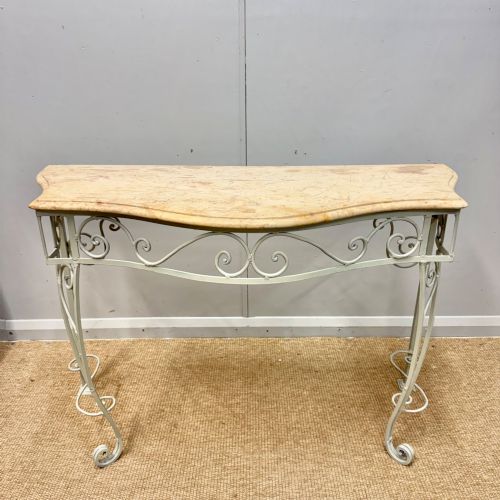
An antique metal console table brings robust character and striking surface contrast to a hallway or reception room.
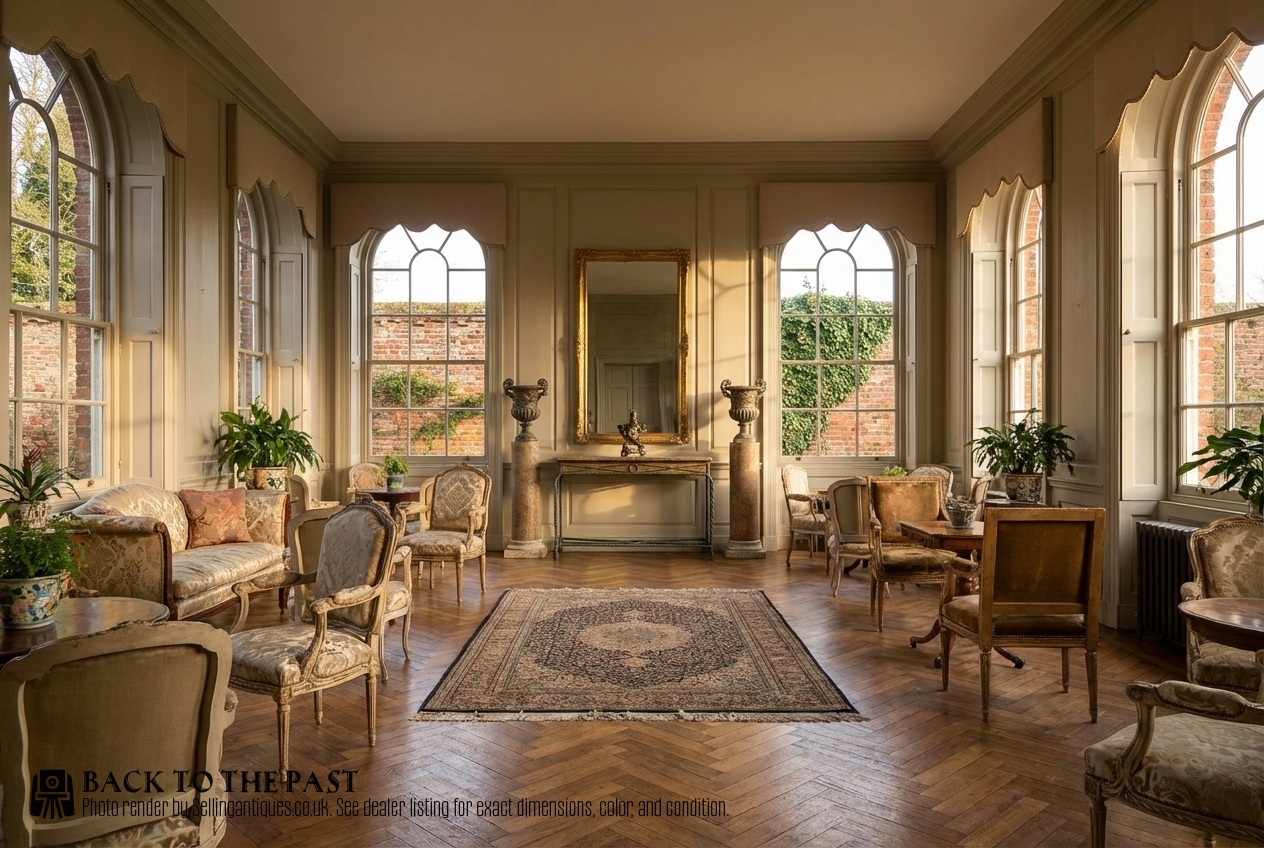
Antique Metal Console Table
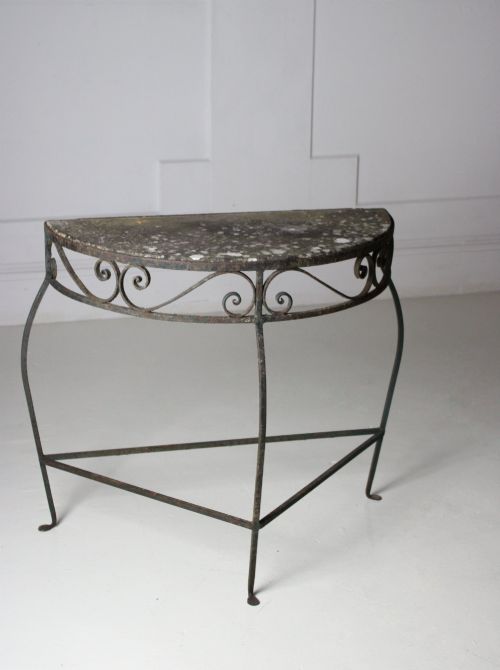
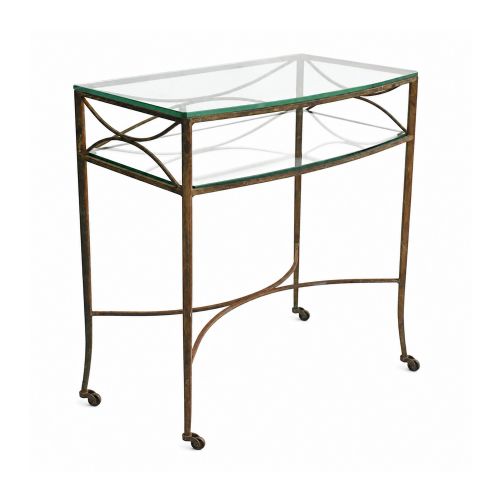
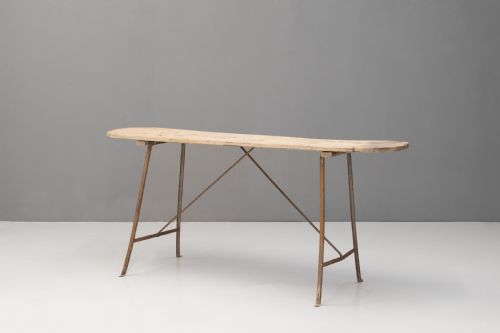
An antique metal console table combines a durable metallic frame with a solid surface, serving as a functional hallway or reception piece. Buyers searching this phrase will find a variety of forms including console tables, side tables, folding tables, and garden tables.
The pieces listed span multiple periods, from Victorian and Edwardian examples to items from 1880, 1900, and 1920. Stylistic influences range from industrial and rustic farmhouse to French country, French chateau, and baroque.
Marble and glass feature prominently as top materials paired with iron, wrought iron, cast iron, steel, copper, and wood components such as pine. Examples often originate from French settings including potting sheds, orangeries, and conservatories.
How they were made
Makers utilised forged or cast metals to build sturdy underframes, employing wrought iron, cast iron, steel, and copper. These metal components were shaped into folding mechanisms, two-tier structures, or elaborate frames featuring decorative heads.
Surfaces were completed using heavy marble slabs, glass, or treated metals such as verdigris copper and ebonised wood with gilt metal mounts. Pine and other timbers also appear as supporting elements or alternative tops in trestle and wash table designs.
Materials across these listings include marble, wrought iron, cast iron, glass, wood, iron, pine, and copper.
What varies in quality
Quality rests in the harmony between the metalwork and the fitted top, where heavy marble slabs or specialist copper surfaces meet stable, well-balanced iron frames. Finer examples display meticulous hand-forged scrollwork or distinct cast detailing rather than simple utility construction.
The integrity of the materials defines the tier of the piece, from robust garden and potting tables to refined Victorian console tables with integrated mirrors and baroque sculptural elements.
The Antique Metal Console Table Glossary
- Wrought iron
- Iron that has been heated and worked with tools by a smith. This material yields strong, pliable frames often seen in scrolling console bases.
- Cast iron
- Iron poured into a mould in a molten state. This technique allows for repeating decorative patterns and heavy structural supports.
- Verdigris
- A green patina formed naturally on copper or brass through atmospheric weathering. It provides an aged surface appearance valued in garden and orangery tables.
- Trestle table
- A table consisting of two or more supports carrying a horizontal top. This form appears in rustic and bleached wooden formats within the selection.
Antique Metal Console Table: Frequently Asked Questions
Where should I place a metal console table?
These tables suit narrow circulation spaces like hallways, entrance passages, and reception rooms where a shallow footprint is necessary. Their durable surfaces also make them practical for conservatories and garden rooms.
Because many examples feature marble or treated metal tops, they withstand daily use while providing a distinct decorative anchor against a wall.
How do I care for a marble top?
Marble requires gentle cleaning with warm water and a soft cloth to preserve the polished surface without scratching the stone. Avoid acidic cleaning agents that can etch the mineral structure.
Using coasters and mats prevents staining, keeping the natural variations of the stone clear over decades of domestic use.
Are these tables suitable for outdoor use?
Many pieces originate from garden, potting shed, and conservatory contexts, built with weather-resistant iron and copper elements. However, historic pieces with wooden components or delicate finishes benefit from shelter during harsh weather.
Verdigris copper and painted metalwork handle damp environments well, though prolonged exposure can alter historic surfaces.
How do I identify a Victorian metal table?
Victorian pieces often incorporate heavier cast iron or elaborate decorative motifs such as baroque rams and maiden heads alongside marble tops. Construction methods from this period rely on traditional foundry work and hand-assembly.
Comparing the weight, patination, and joining techniques against Edwardian and later 1920s examples helps clarify the era of manufacture.