


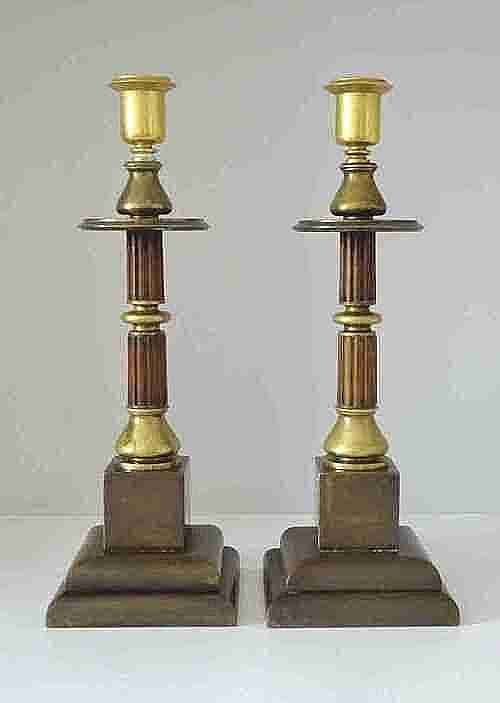
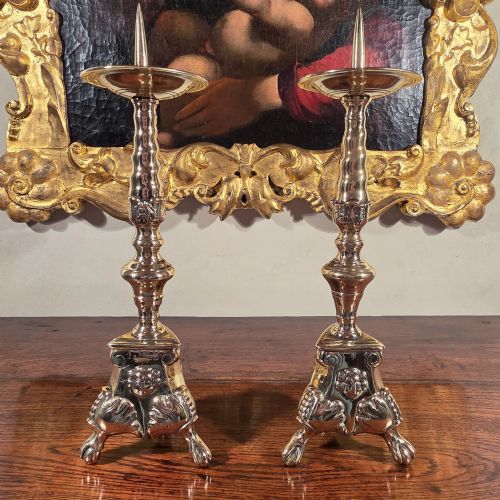
Antique Metal Candle Sticks
These antique metal candle sticks bring centuries of domestic lighting into modern rooms through varied alloys and enduring forms.
Antique Metal Candle Sticks
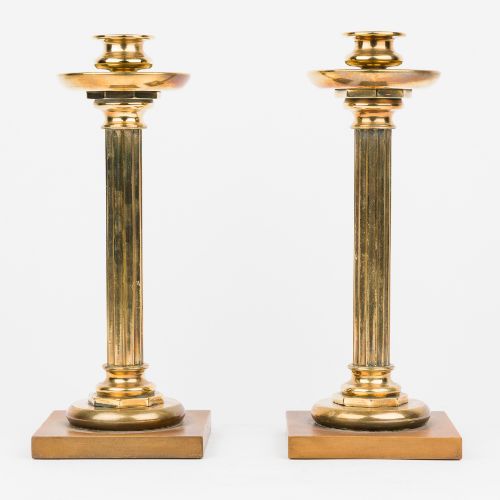
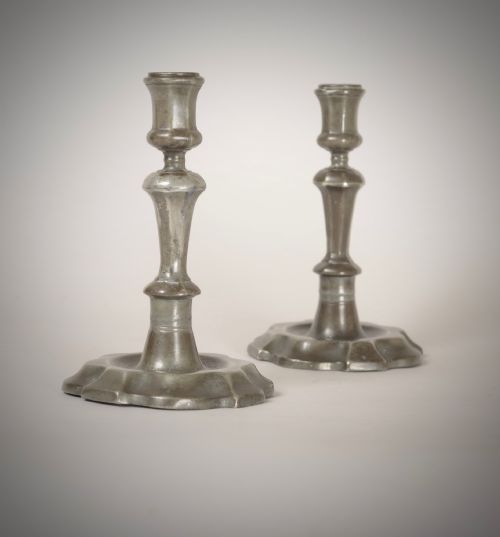
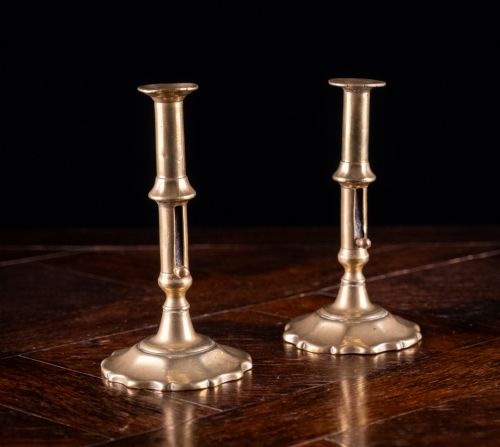
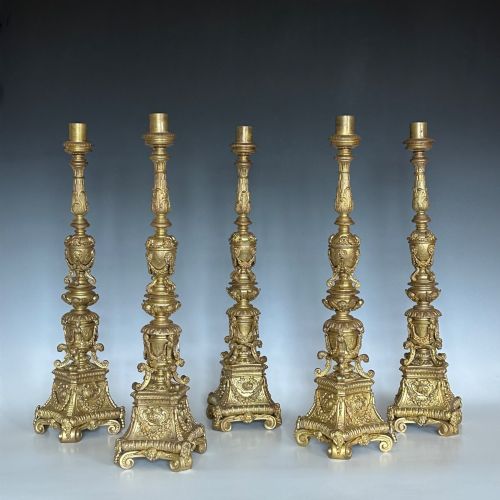
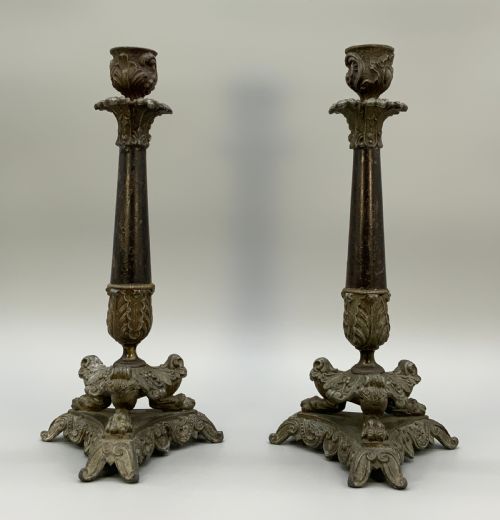
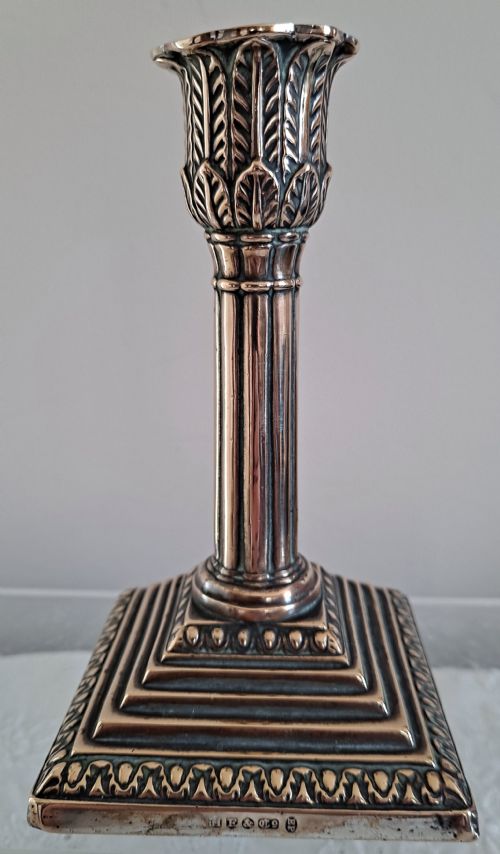
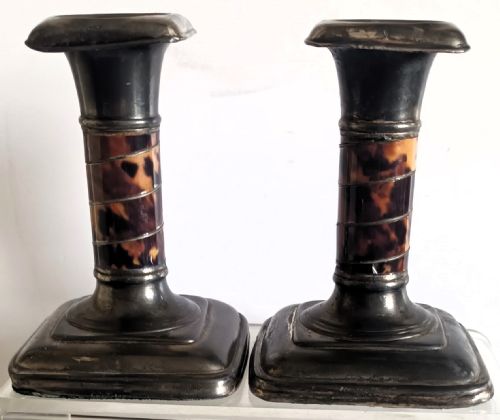
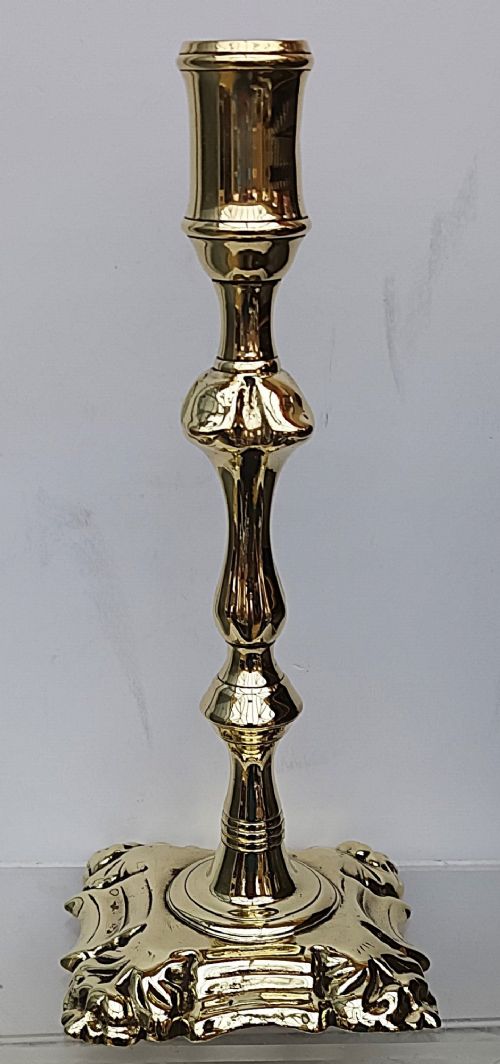
Antique metal candle sticks encompass functional lighting devices shaped from brass, bronze, pewter, silver plate, copper, and cast metal across several hundred years of production. Buyers searching this phrase meet everything from utilitarian Georgian ejector stems to decorative Victorian pairs, slender Edwardian designs, and geometric Art Deco pieces.
The selection ranges from simple chamber sticks designed for carrying through dark corridors to tall ceremonial candlesticks, elaborate multi-branch candelabras, and desk-bound lighting apparatus. Most items appear in matched pairs intended for mantelpieces or sideboards, though single examples and garniture sets also emerge from various European and English workshops.
How they were made
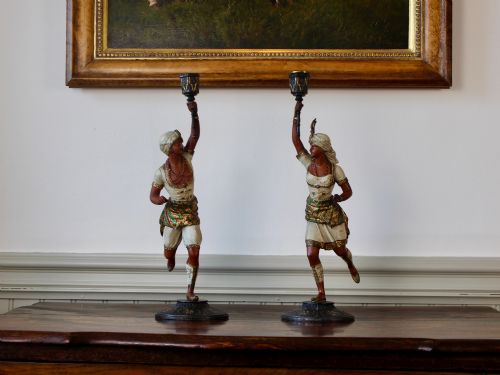
Early brass and pewter examples often utilise seamed construction, where components were cast separately, joined, and smoothed before finishing, while later Victorian and Edwardian pieces rely increasingly on heavy casting and electroplating techniques. Bronze items span both sand-cast production and cold-painted applications, incorporating patinated surfaces or rich silver and gilt layers over base metals.
Makers employed specialised tools to turn components on lathes, cut internal threads for telescopic mechanisms, or stamp maker marks and registry numbers directly into the metal base. Paktong, an early nickel-copper-zinc alloy, required precise metallurgical skill to shape into crisp geometric candle holders during the eighteenth century.
Period styles range from seventeenth-century Baroque and Georgian through to Victorian, Arts and Crafts, and Art Deco.
What varies in quality
Quality rests in the crispness of casting detail, the weight and gauge of the metal used, and the integrity of original surfaces rather than polished bright finishes. Superior pairs display balanced proportions, clean turning marks on the underside, and legible maker stamps or patent marks that confirm their period origin.
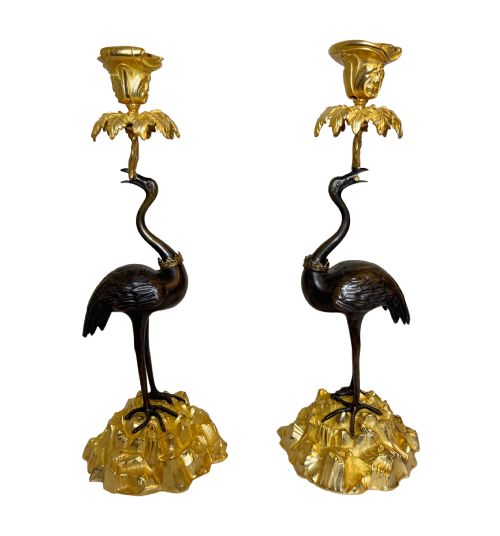
Lighter utilitarian pieces often show thin wall sections and wear from centuries of cleaning, whereas high-status examples from the Georgian or Regency periods retain complex architectural profiles, heavy bases, and intricate motifs like flamingos or figural elements.
James Clews·WMF·Barker Ellis
The Antique Metal Candle Sticks Glossary
- Ejector
- A concealed internal mechanism featuring a small push-rod that lifts the candle stub out of the socket. This device helps clear stubborn wax remnants from eighteenth-century brass stems.
- Chamber stick
- A low, shallow candle holder fitted with a loop handle and a small pan to catch dripping wax. People carried these through corridors before electric lighting.
- Pricket
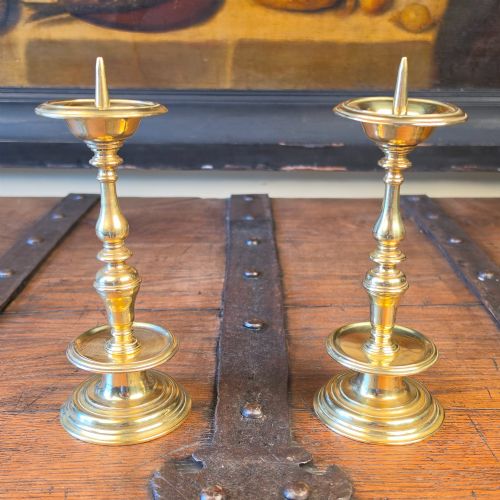
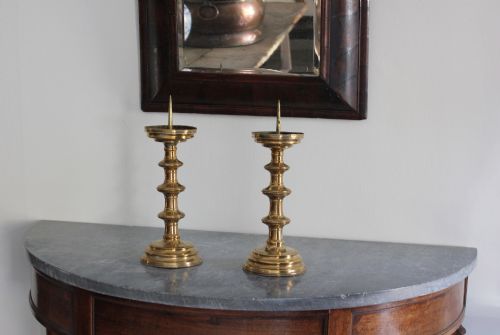
- A sharp metal spike set in the centre of a drip pan to hold large wax candles securely in place. These appear frequently on ecclesiastical or formal European altar sticks.
- Paktong
- A bright, silvery alloy imported from China that mimics the appearance of solid silver. English makers utilised this durable material for high-end eighteenth-century candlesticks.
- Garniture set
- A matched group of three or more ornamental objects, often combining a central candelabra with flanking candle sticks for display on a mantelpiece.
Antique Metal Candle Sticks: Frequently Asked Questions
How do I date brass candlesticks?
Dating relies on construction methods, such as seamed shafts and heavy cast bases found in eighteenth-century pieces, compared to machine threads and stamped registry marks on Victorian examples.
Changes in stylistic motifs, from plain Georgian mouldings to ornate Art Nouveau lines and geometric Art Deco forms, also provide clear chronological markers.
Can I use real candles in antique sticks?
Most antique sockets accommodate standard taper candles, though minor shimming with beeswax or card is sometimes necessary to keep older candles upright. Ensuring a snug fit prevents wax from running down the metal sides.
Careful removal of burnt wicks and avoiding metal scraping preserves the interior finish of eighteenth and nineteenth-century sockets.
How should I clean metal candlesticks?
Gentle dusting with a soft cloth removes everyday particles without disturbing stable patination or aged metal surfaces. Aggressive polishing strips away historical character and dulls subtle hand-tool marks.
Using mild conservation wax helps protect bare brass, bronze, and copper from atmospheric tarnishing while retaining the deep tones gathered over centuries.