



Antique Metal Candelabra Pair
An antique metal candelabra pair brings commanding height and layered candlelight to a mantelpiece, drawing the eye with sculptural weight.
Antique Metal Candelabra Pair
An antique metal candelabra pair consists of matched multi-light branches designed to stand symmetrically upon a dining table, console, or sideboard. These decorative pieces emerge from periods spanning the Regency era, the Victorian decades, and into the early twentieth century.
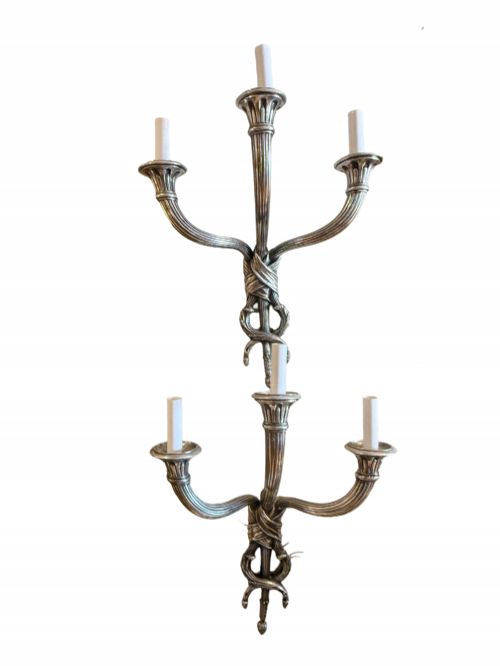
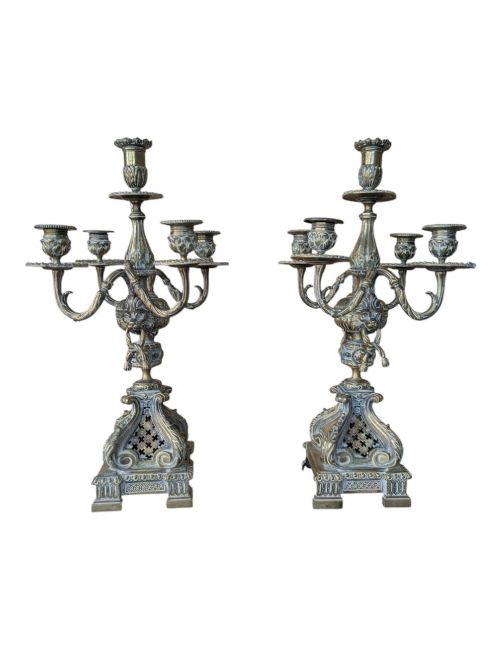
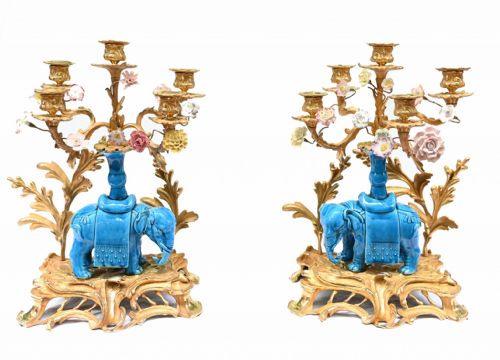
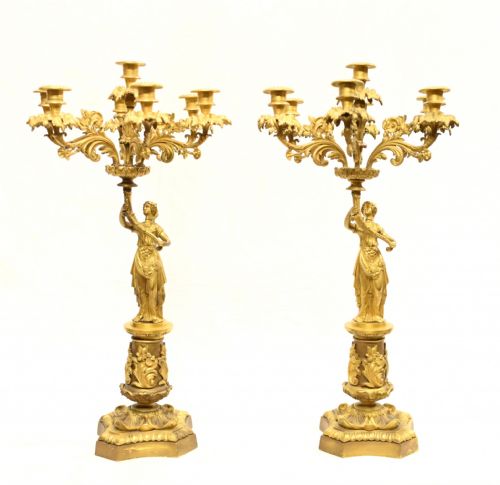
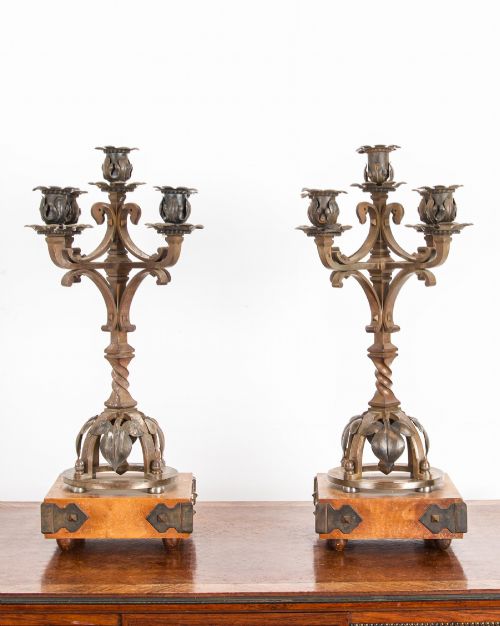
The selections encountered here show distinct stylistic influences, ranging from French Rococo Revival and Neoclassical designs to Gothic Revival and Renaissance Revival forms. Alongside traditional candelabra branches, related lighting variants such as wall sconces and torchère lamps appear.
Most examples originate from French workshops or British makers, utilising classical figures, putti, and natural motifs to structure the arms. Buyers frequently select these pairs for their decorative presence, whether standing unlit or converted for electrical illumination.
Materials and construction methods
Foundry work relied heavily on casting bronze, brass, iron, and pewter to form the structural body and branching arms of each piece. Molten metal poured into detailed moulds created intricate figural and foliage motifs before undergoing hand-chasing to sharpen the surface relief.
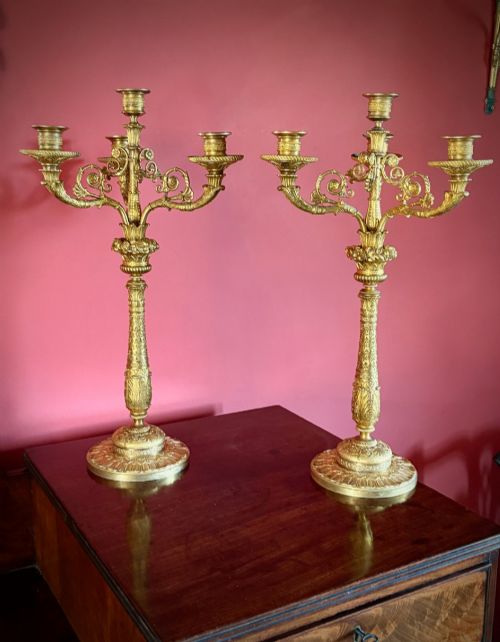
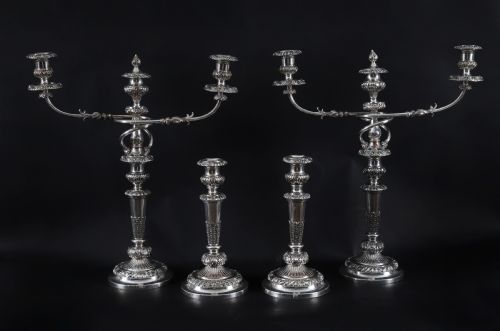
Gilding techniques, particularly ormolu and fire gilding, applied thin layers of gold to bronze surfaces to achieve a lasting, luminous finish. Silver plating and Old Sheffield Plate methods bonded silver to base metals, while secondary elements incorporate carved marble, slate, and porcelain.
Stated styles range from French Neoclassical and Empire to Gothic Revival and Art Nouveau, spanning single-light sconces to eight-branch table lamps.
Factors of distinction
Material composition and finish integrity separate standard production from exceptional works. Heavy cast bronze or ormolu with intact original gilding demonstrates higher workshop standards than lightweight base metals finished with modern paints or unstable platings.
WMF·Blagden Hodgson And Co
The Antique Metal Candelabra Pair Glossary
- Ormolu
- A technique involving the application of finely ground, high-carat gold amalgam to a bronze object, followed by heat to drive off the mercury. This process creates a rich, matte yellow-gold surface that resists tarnishing.
- Torchère
- A tall, freestanding stand or candelabrum designed to hold candles or lights aloft. In lighting forms, it often takes the shape of a classical figure bearing a light source.
- Champlevé enamel
- A decorative technique where troughs or cells are sunk into the surface of the metal and filled with vitreous enamel powder before firing. It frequently appears on nineteenth-century Arabic style or revival pieces.
- Old Sheffield plate
- A composite material made by fusing a thin sheet of silver to a thicker copper base under high heat and pressure. The resulting metal was then worked into candelabra and tableware.
- Bobeche
- A removable collar or drip pan fitted just below the candle nozzle to catch melting wax. Surviving matched bobeches add significantly to the completeness of an antique pair.
Antique Metal Candelabra Pair: Frequently Asked Questions
How do I clean antique metal candelabras?
Dust gently with a soft, dry brush to prevent accumulation in recessed crevices. Avoid harsh chemical dips or abrasive metal polishes that strip original gilding and platings.
For silver-plated or brass examples, use a specialist cloth approved for antique metals, working carefully around joints and delicate cast details.
Can I convert antique candelabras into lamps?
Many pairs undergo conversion to table lamps to suit modern domestic lighting needs. This process often utilises existing central channels to run electrical wiring without drilling the primary metal structure.
Reversible conversions preserve the original candle cups and arms, allowing a future owner to restore the piece to its original configuration.
How do I date an antique metal candelabra pair?
Examine the casting quality, fastening screws, and stylistic motifs to establish a chronological baseline. Regency and Empire pieces often feature crisp classical bronzes, while late Victorian and Edwardian examples lean toward eclectic revivalism.
Maker marks, registration numbers, or stamps found on the underside or bases provide further clues to the exact workshop and production era.
Were these pieces always made in pairs?
Candelabra were customarily produced as balanced pairs to flank architectural mirrors, mantel clocks, or sideboard centrepieces. Symmetrical placement reflected formal interior design principles of the eighteenth and nineteenth centuries.
Occasionally, individual candelabras survive alone, but matched pairs remain the standard format sought by collectors for decorative display.