


Antique Metal Accessories
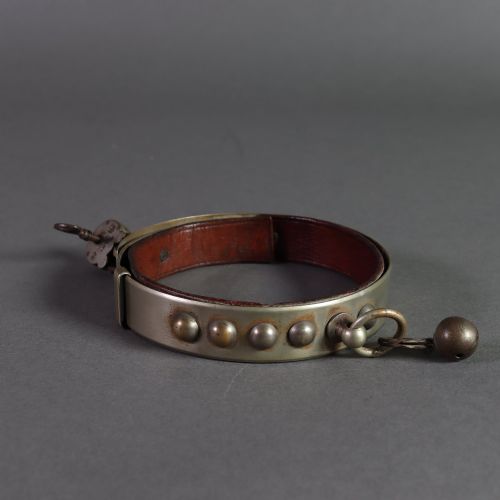
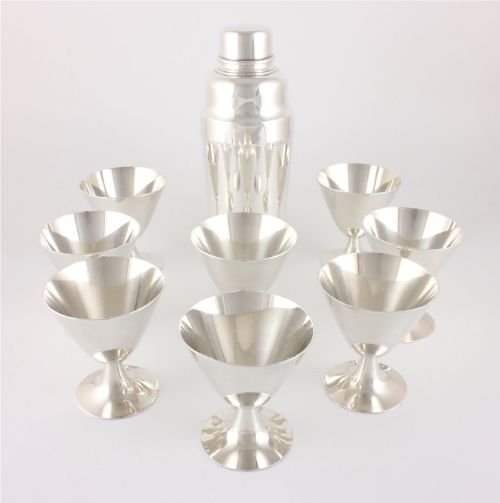
These antique metal accessories span hearth furniture and desktop pieces formed in brass, copper, and bronze across Georgian, Victorian, and Art Deco periods.
Antique Metal Accessories
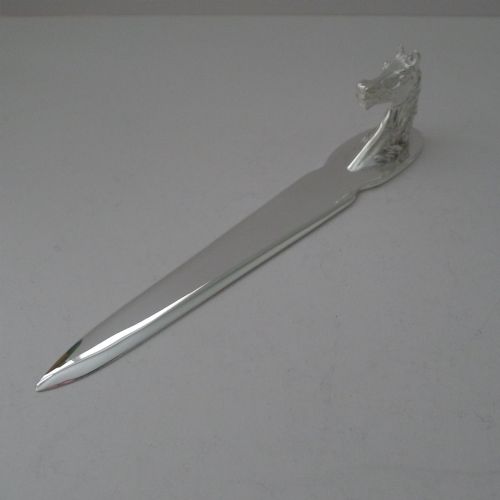
Antique metal accessories encompass utilitarian and decorative objects designed for the hearth and the desk, ranging from coal scuttles and fire irons to inkwells and bookends. Buyers searching for antique metal accessories encounter a high proportion of nineteenth-century brass and copper fireside items alongside early twentieth-century desk pieces.
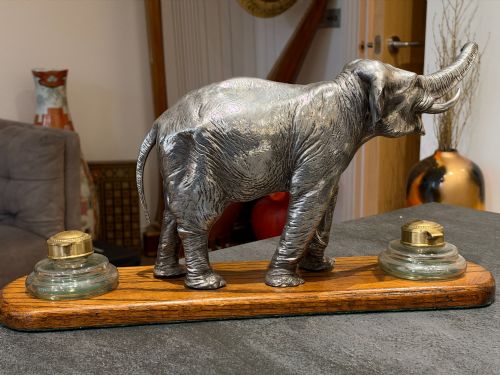
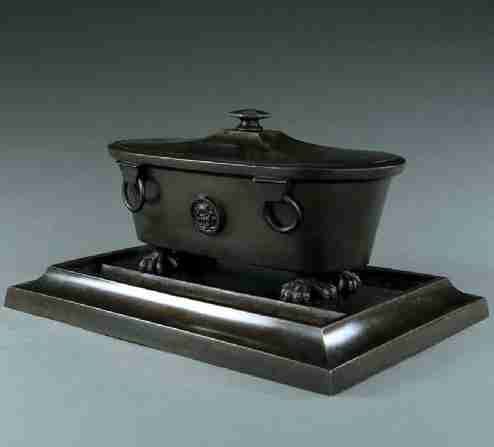
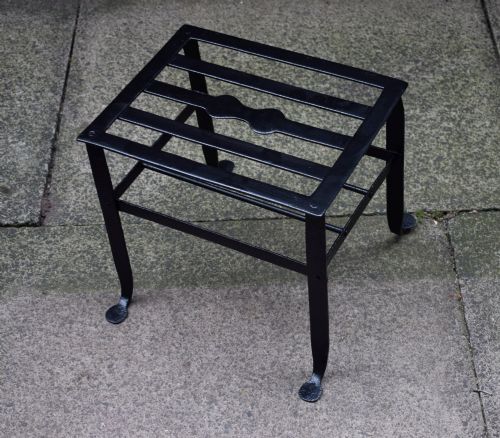
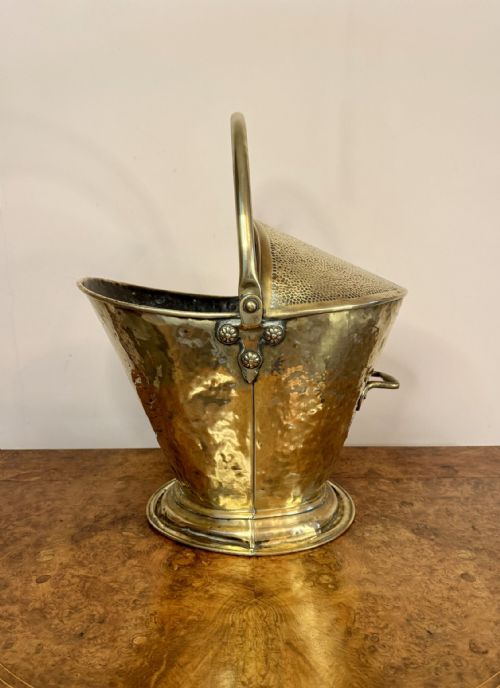
The hearth pieces include helmet-shaped coal scuttles, wrought iron fire baskets, and brass fenders originating from the Victorian and Georgian periods. Desktop items feature cast bronze inkwells, silver-gilt cigarette card cases, and pewter candlesticks spanning the Arts and Crafts and Art Deco eras.
These items served practical functions in domestic and professional settings, utilising durable metals to withstand heat, daily handling, and frequent use. Their survival reflects the robust nature of their construction and the enduring appeal of period metalwork.
How they were made
Craftsmen shaped these pieces using traditional metalworking techniques such as casting, hand-beating, and forging, depending on the material and the intended function. Copper and brass sheets were beaten and joined with rivets or brazing for coal buckets and scuttles, while bronze and iron were cast in moulds for andirons and inkwells.
Makers integrated secondary materials like oak handles and cabochon stones to complement the primary metals. Surface decoration involved cold painting, piercing, and engraving to achieve the finished aesthetic seen in Art Nouveau pewter and Victorian brasswork.
Antique Metal Accessories Retail Price Guide 2026
Typical asking prices for metal accessories among the pieces listed under this phrase on Sellingantiques today, from the lower quarter to the upper quarter. They describe what is for sale here now, not the wider market.
The selection includes functional hearth equipment like coal scuttles and fire dogs alongside tabletop accessories such as inkwells, bookends, and cigarette cases.
What varies in quality
Quality rests in the crispness of casting detail, the weight of the metal used, and the integrity of construction methods such as hand-riveting or dovetailing. Superior examples retain original surface patination and maker-specific design markers, distinguishing standard production items from workshop pieces.
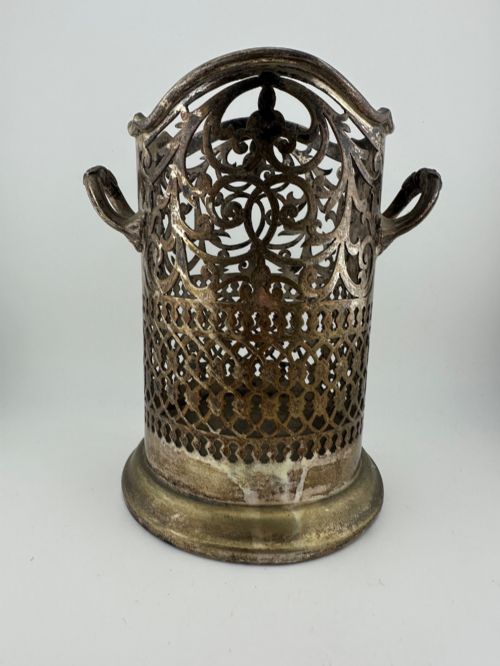
Design complexity also defines the range, where pierced fretwork on brass fenders or hand-painted details on bronze animal figures demonstrate greater maker skill. Pieces bearing specific studio marks show distinct craftsmanship that elevates them above anonymous utilitarian wares.
Archibald Knox for Liberty and Co·Sudre·Tiffany Studios New York·F Abella and Sons·John Linwood of Birmingham·Eade and Son·Mabie Todd and Co
The Antique Metal Accessories Glossary
- Andirons
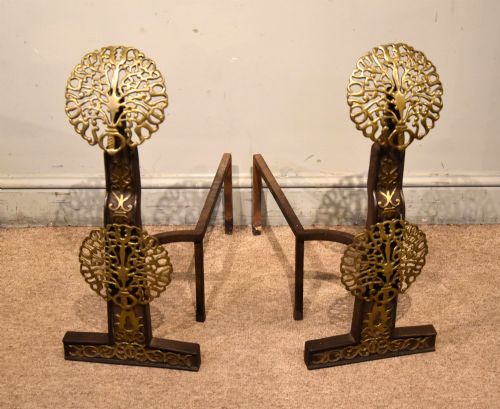
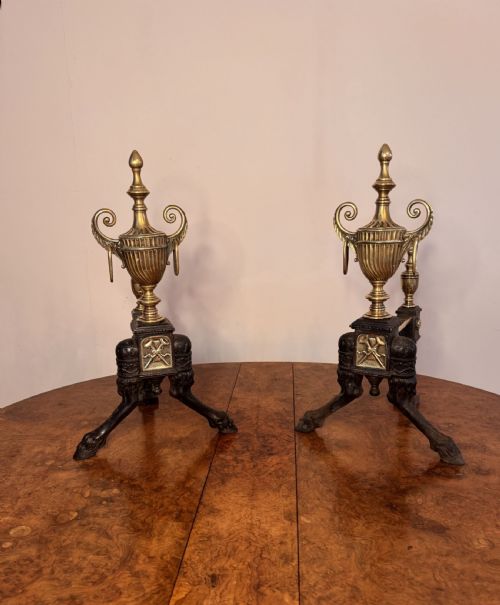
- Iron supports used in a fireplace to hold logs above the hearth for better air circulation. These are also known as fire dogs and frequently feature decorative cast iron or wrought iron terminals.
- Coal Scuttle
- A container designed to hold coal for a fireplace, often shaped like a helmet with a handle and a flat base. Examples appear in hammered copper and polished brass.
- Cold Painted
- A technique where bronze or metal figures receive paint finishes without heat firing. This method is common on small animal desk ornaments from the early twentieth century.
- Fender
- A low metal guard placed in front of a fireplace to contain embers and ash. Victorian versions often display pierced brass or cast iron scrollwork.
- Pewter
- A malleable alloy containing tin, copper, and antimony used for decorative vessels and candlesticks. Arts and Crafts pieces often utilise specialised pewter formulas.
Antique Metal Accessories: Frequently Asked Questions
What counts as an antique metal accessory?
These pieces include domestic items made from brass, copper, iron, and bronze created for the hearth or the desk. The category spans Georgian coal scuttles, Victorian fire fenders, and Art Deco desk items.
Items range from heavy wrought iron andirons to small silver-gilt cigarette cases and pewter inkwells. Each object combined utility with period decorative styles.
How do I date brass and copper items?
Dating relies on manufacturing techniques, construction marks, and stylistic shifts between Georgian, Victorian, and Edwardian periods. Machine-rolled sheets and specific fastening methods help establish the age of utilitarian items.
Earlier Georgian pieces often display hand-beating marks and dovetailed seams, whereas later Victorian examples utilise standardised brass banding and machine cutting. Stylistic motifs like Arts and Crafts strapwork or Art Deco geometry provide further chronological markers.
How were fire dogs used?
Fire dogs, or andirons, supported logs inside open fireplaces to allow air to circulate underneath the wood for efficient burning. Pairs stood at either side of the hearth.
Beyond supporting fuel, large wrought iron or bronze andirons served as decorative focal points within the room. Their visible fronts often featured cast finials, animals, or Gothic architectural motifs.
How do I clean antique brass?
Antique brass requires minimal cleaning to preserve the dark patination accumulated over decades or centuries. Harsh commercial polishes remove the historical surface finish that collectors value.
Gentle dusting with a soft cloth suffices for routine maintenance. If washing is necessary, mild soap and warm water followed by immediate drying prevent corrosion.