


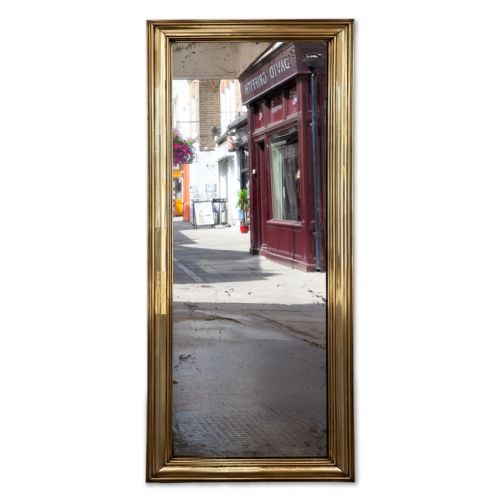

Antique Mercury Plate Mirror
An antique mercury plate mirror brings soft, speckled reflection and historic depth to a room, prized for the unmistakable mottled charm of its silvering.
Antique Mercury Plate Mirror
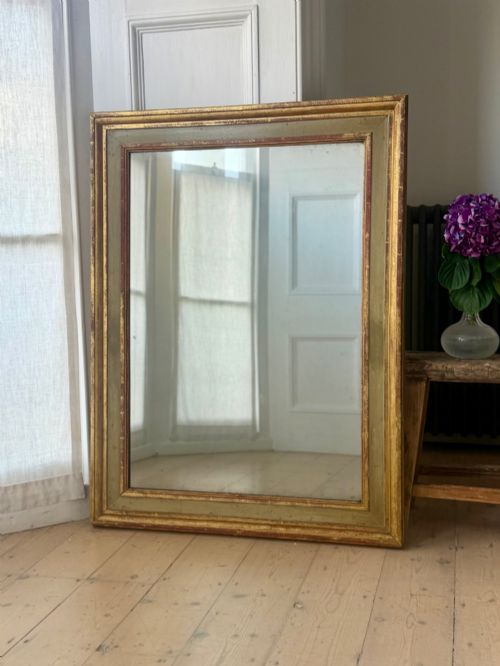
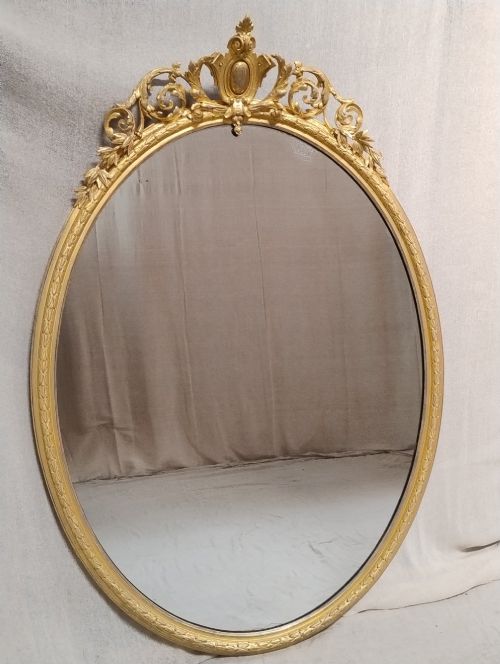
An antique mercury plate mirror is a wall hanging, pier glass, or overmantel designed to reflect light and enhance interior spaces. When you search for this phrase, you encounter large architectural pieces alongside smaller wall-mounted items from various European traditions.
The selection ranges from early eighteenth-century cartouche forms to grand nineteenth-century overmantels. French Neoclassical, Regency, Louis XVI, and Rococo styles appear frequently among the pieces.
Origin points span English and continental workshops, with French and Italian examples often featuring ornate carved frames. Most options date from the eighteenth and nineteenth centuries, though earlier and later interpretations also occur.
Materials and construction methods
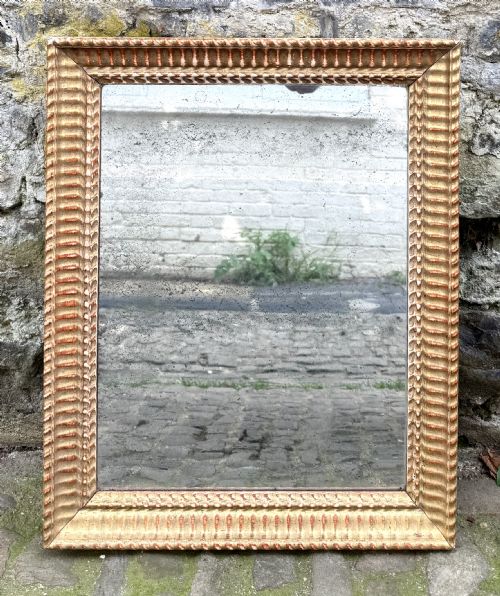
Makers built these frames primarily from wood, gesso, and giltwood, applying layers of gold leaf or paint to enrich the carved surfaces. Brass and walnut also feature in specific regional designs and wall mirrors.
The reflective surface relies on historical glass production techniques, historically finished with a tin and mercury amalgam before modern silvering methods took over. This older process accounts for the unique visual texture found within the glass.
Listings feature eighteenth and nineteenth-century pieces alongside styles from Georgian, Regency, and Louis XVI periods.
Distinctions in quality
Quality rests on the depth of the original gilding and the crispness of the hand-carved wood or gesso ornamentation. Finer examples retain their original plates and maintain structural integrity within the primary frame.
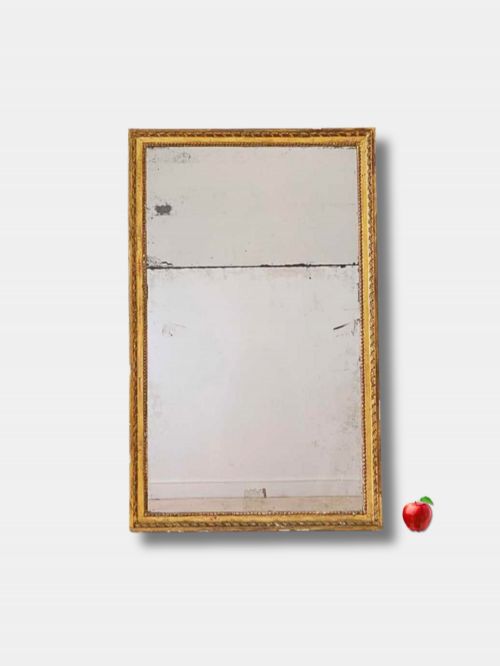
The character of the glass itself dictates much of the appeal, where natural foxing and age spots develop organically over centuries. Plates that show undisturbed historical surfaces hold distinct interest for collectors.
The Antique Mercury Plate Mirror Glossary
- Mercury glass
- A type of glass finished with a reflective metallic amalgam behind the pane, predating modern chemical silvering. It creates a warm, uneven reflection.
- Foxed plate
- Glass showing dark spots and mottled patches caused by chemical reactions over time. This ageing process alters the clarity of the reflection.
- Giltwood
- Timber carved and coated with fine gold leaf applied over a prepared gesso ground. It provides a bright, durable metallic finish on decorative frames.
- Pier mirror
- A tall glass designed specifically to hang on the wall space between windows. These pieces often coordinate with console tables placed below them.
- Overmantel mirror
- A wide horizontal glass built to sit above a fireplace mantel. They visually expand room dimensions and anchor the hearth.
Antique Mercury Plate Mirror: Frequently Asked Questions
What is mercury glass?
Mercury glass refers to mirrors made using a tin and mercury backing technique popular before nineteenth-century chemical silvering replaced it. The process creates a characteristic, slightly cloudy reflection.
Over decades, moisture seeps behind the glass to cause natural foxing and dark spots. This chemical interaction produces the mottled appearance collectors prize.
Are these plates actually mercury?
Historical manufacturing involved coating glass with a liquid amalgam containing actual mercury before sliding it onto the pane. Craftsmen heated the assembly to bond the metals securely.
Modern replacement glass uses safer silver nitrate solutions. Original plates retain the specific chemical composition of their period of origin.
How do I hang a heavy mirror?
Heavy giltwood and overmantel frames require secure wall anchors fastened directly into structural studs. Professional mirror hangers utilise brackets rated to support substantial weight.
Wire alone often proves insufficient for grand scale pieces. Distributing the load across sturdy fixings protects both the frame and the wall.