







Antique Medical Curiosities
These antique medical curiosities span centuries of scientific enquiry, offering tangible pieces of historical practice that appeal to collectors of the unusual.
Antique Medical Curiosities
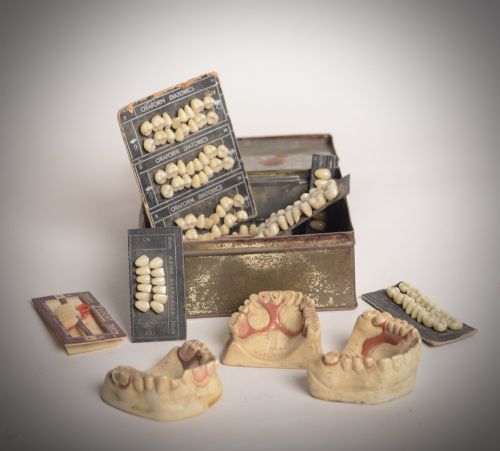
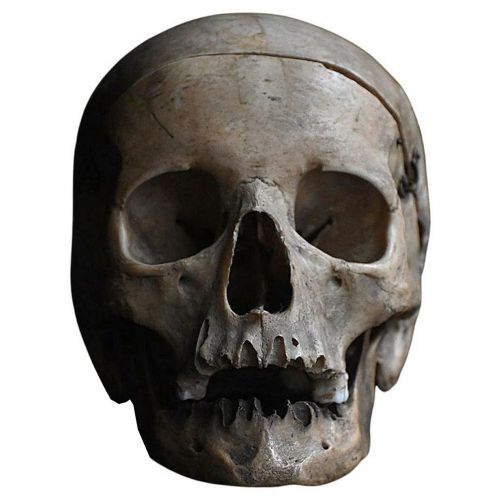
When buyers search for antique medical curiosities, they encounter a diverse array of scientific instruments, anatomical models, and specimens originating from the eighteenth century to the mid-twentieth century. The selection ranges from framed anatomical illustrations to dental samples and electrotherapy devices.
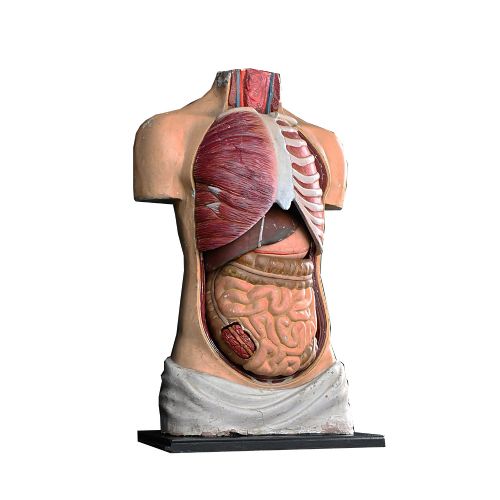
Victorian pieces dominate the available range, often reflecting the rigorous educational and clinical pursuits of the nineteenth century. Alongside these, French Enlightenment prints and early twentieth-century anatomical torsos provide a comprehensive overview of historical healthcare and scientific demonstration.
The objects serve as both historical records and striking decorative items, drawing interest from museums and private collectors alike. Each piece demonstrates the specific methods utilised by past practitioners, educators, and artists to document the human body.
Materials and construction
The construction of these items relies upon traditional materials such as wood, glass, metal, bone, and paper, frequently combined within a single object. Wax, plaster, and paint were additionally employed to create detailed anatomical models and teaching aids.
Paper items utilise period engraving and printing techniques, visible in framed illustrations and series of charts produced by publishers like W & A K Johnston. Three-dimensional specimens and instruments integrate turned wood, blown glass, and forged metal components.
Antique Medical Curiosities Retail Price Guide 2026
Typical asking prices for medical curiosities among the pieces listed under this phrase on Sellingantiques today, from the lower quarter to the upper quarter. They describe what is for sale here now, not the wider market.
Listings feature periods spanning from the eighteenth century through to the 1940s, encompassing paper, glass, bone, wax, and metal artefacts.
Assessing quality and authenticity
Quality in these objects rests upon the precision of the craftsmanship, the preservation of original materials, and the clarity of historical detail. Finer anatomical models display meticulous hand-painted finishes and realistic skeletal articulation.
The preservation of paper items depends on the condition of the original framing, the vibrancy of the ink, and the absence of heavy restoration. Instruments retain more value when their mechanical components remain intact and associated documentation survives.
W & A K Johnston·Educational & Scientific Plastics Ltd
The Antique Medical Curiosities Glossary
- Apothecary bottles
- Glass containers utilised by historical chemists and pharmacists for storing medicinal compounds and liquids. They frequently feature ground glass stoppers and embossed labels.
- Anatomical model
- A three-dimensional representation of human or veterinary anatomy, constructed for educational instruction. These were typically moulded from wax, plaster, or later plastics.
- Electrotherapy device
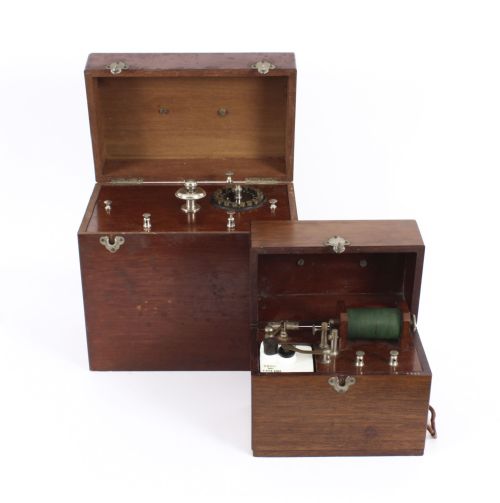
- Nineteenth or early twentieth-century apparatus designed to deliver electrical currents for medical treatments. These units usually incorporate wooden casing, glass cylinders, and metal terminals.
- Vaccinating lancet
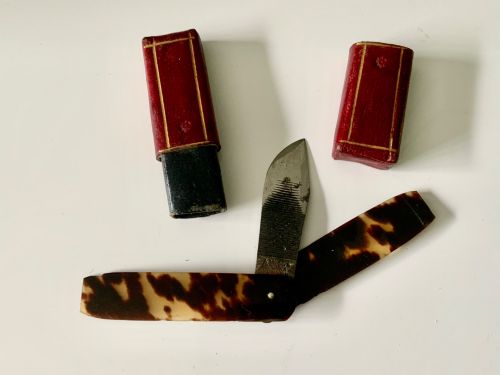
- A small surgical instrument used historically for administering vaccinations. Veterinary examples pertain specifically to animal treatment.
- Engraving
- A printmaking technique involving the incision of a design onto a metal plate, widely used for eighteenth-century anatomical plates.
Antique Medical Curiosities: Frequently Asked Questions
What are antique medical curiosities?
These pieces comprise historical instruments, anatomical models, specimens, and charts used in medical practice and education across several centuries. They reflect the evolution of scientific understanding and clinical technique.
Collectors acquire them for their aesthetic appeal and their significance within the history of science and medicine.
How were anatomical models used?
Models made from wax, plaster, or plastic served as three-dimensional teaching aids in medical schools and universities. They allowed students to study human anatomy without relying entirely on cadavers.
Many pieces were also utilised in public exhibitions to promote health education and scientific literacy during the nineteenth and early twentieth centuries.
How do I care for fragile specimens?
Glass, paper, and wax items require stable indoor environments away from direct sunlight and excessive humidity. Framing protects paper charts and engravings from physical damage.
Handling should be kept to a minimum, supporting the base of heavier models and scientific instruments rather than projecting parts.
How do I date a medical instrument?
Dating relies upon manufacturing styles, patent marks, associated maker names, and the materials utilised in construction. Eighteenth-century items often feature hand-engraved details, whilst twentieth-century pieces incorporate plastics and mass-produced metal components.
Comparing items with documented examples in historical catalogues assists in establishing an accurate period.