



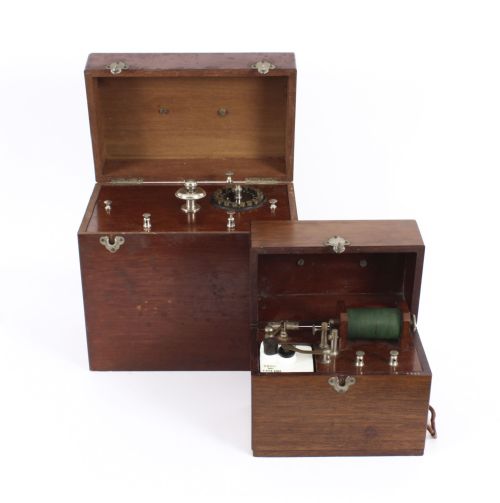
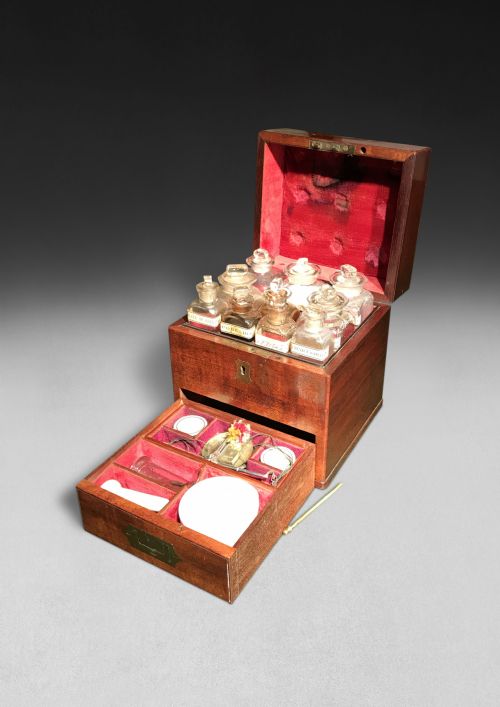


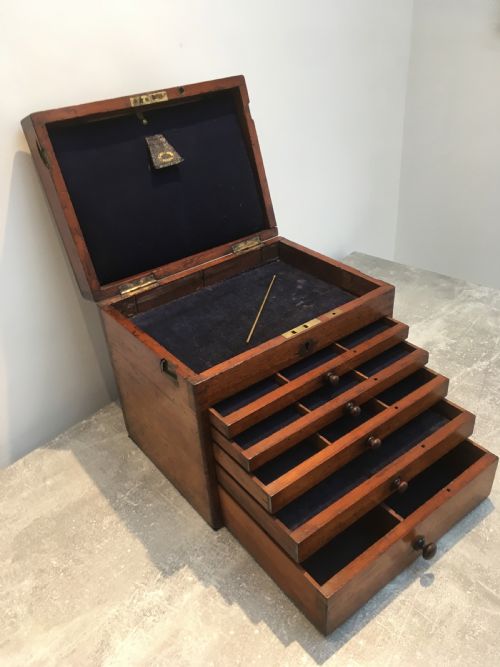

Wooden Medical Box
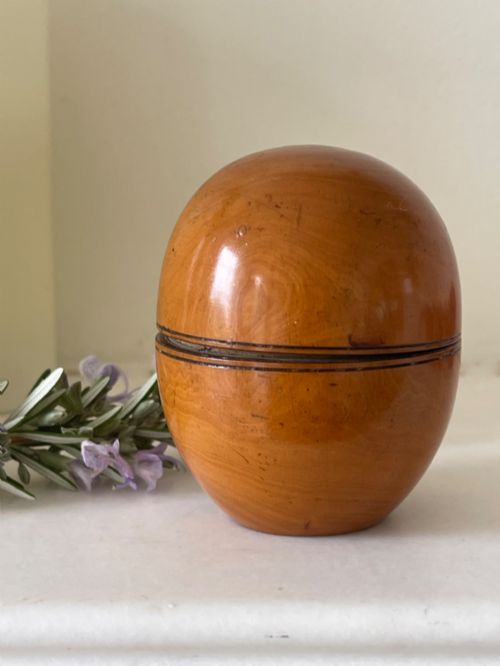
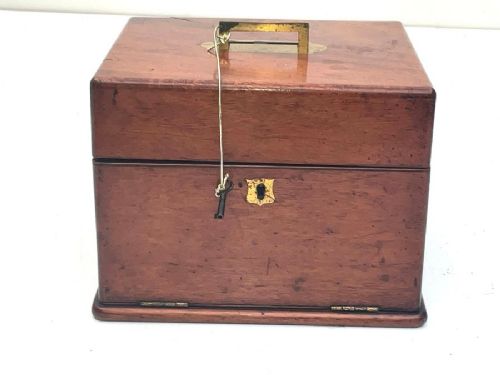
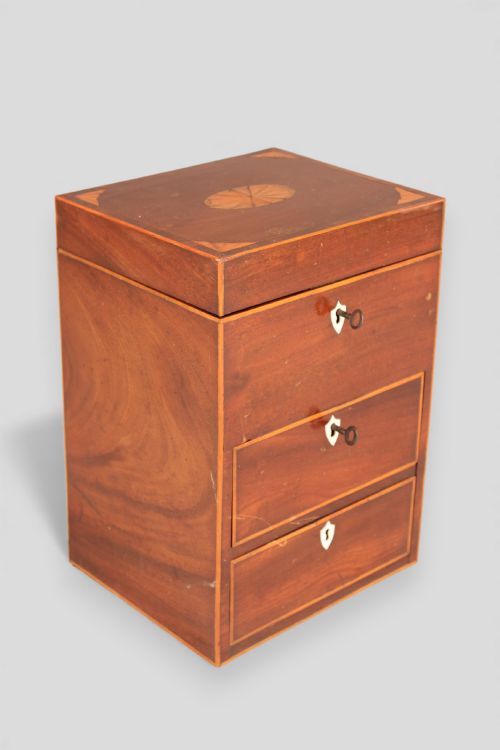
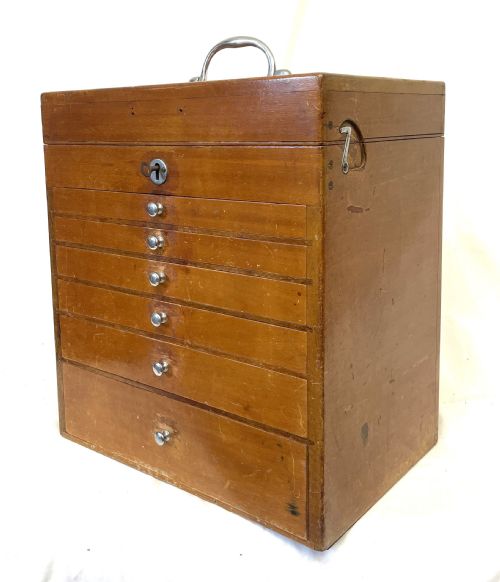
These wooden medical box examples are fitted containers and cabinets designed to hold remedies and instruments, offering a tangible link to historical healthcare practices.
Wooden Medical Box
When you search for a wooden medical box, you encounter a range of fitted containers, chests, and tabletop cabinets designed to hold remedies, tools, and instruments. The pieces available span periods from the Georgian and Regency eras through the nineteenth century and into the early twentieth century.
You are most likely to meet mahogany apothecary boxes fitted with internal compartments, alongside dental cabinets, veterinary chests, and scientific instrument cases. These utilitarian objects reflect the changing requirements of doctors, apothecaries, and practitioners across different decades.
Materials and construction
Makers utilised dense timbers such as mahogany and pine to construct the primary carcases of these containers, often finishing the surfaces with a polished sheen. Brass fittings, including carrying handles, hinges, and keyplates, provide structural reinforcement and secure closures for frequent transit.
Interiors frequently incorporate glass bottles, velvet linings, and bone or boxwood components to organise delicate instruments and medicinal preparations. Iron hardware and specialised scientific apparatus appear in pieces associated with dental and therapeutic use.
Boxwood pill rounders survive to remind us that medicine used to be rolled by hand.
Assessing quality
The degree of sophistication in the internal arrangement separates standard utility containers from finer examples. Superior specimens feature precisely fitted compartments designed to secure glass bottles and specialised tools without excess movement.
The choice of cabinet timbers and the integration of brass hardware also indicate the standard of production. Pieces retaining their original boxwood pill rounders, glass containers, and fitted instruments demonstrate a higher level of completeness.
The Wooden Medical Box Glossary
- Apothecary box
- A fitted wooden container designed to hold medicinal preparations, scales, and compounding tools.
- Pill rounder
- A wooden tool used in historical pharmacy practice to shape medicinal masses into uniform pills.
- Electro therapy device
- An electrical apparatus housed in a wooden case for historical medical treatments.
- Instrument case
- A specialised wooden container built to house specific scientific or surgical tools securely.
Wooden Medical Box: Frequently Asked Questions
What was inside a wooden medical box?
Original contents typically included glass bottles for liquids and powders, scales, and various mixing tools. Some examples retained specialised items such as pill rounders or dental equipment.
Over time, many boxes lost their original contents or received replacement glassware, reflecting changes in how the containers were utilised by subsequent owners.
How do I date a medical box?
Dating relies on timber selection, hardware design, and overall construction methods characteristic of periods like the Georgian era or the early twentieth century. Mahogany and brass handles often point towards nineteenth-century production.
Internal layouts and accompanying paperwork or labels can provide further context regarding the decade of manufacture and the practitioner who used the piece.
How were these boxes used?
Practitioners utilised these chests to store and transport remedies and instruments for house calls or clinical work. Tabletop cabinets remained in surgeries to keep frequently needed preparations organised.
Larger veterinary and dental cabinets served as static storage units in professional practices, housing heavier equipment and numerous drawers of supplies.
How do I clean the wood?
Maintenance involves dusting with a dry cloth and occasionally applying suitable wax to nourish older timber surfaces. Avoid using harsh chemical cleaners that might strip the historic polish.
Brass hardware can be left with its natural patination or gently cleaned with a non-abrasive cloth depending on personal preference for the appearance.