



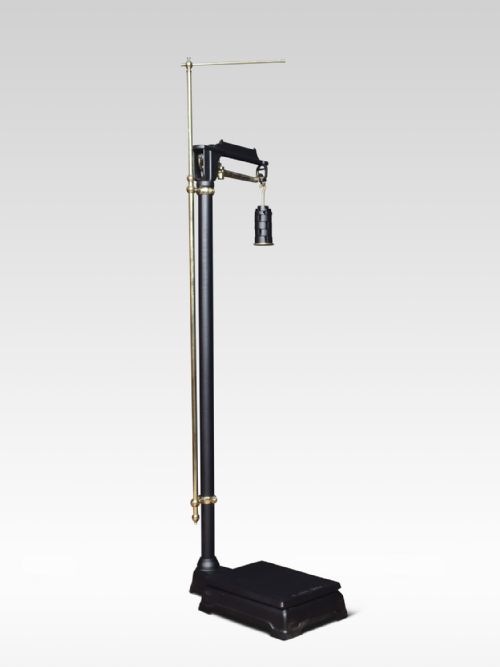


Antique Medical Equipment
Antique medical equipment bridges the clinical and the curious, offering tangible insight into historical healthcare.
Antique Medical Equipment
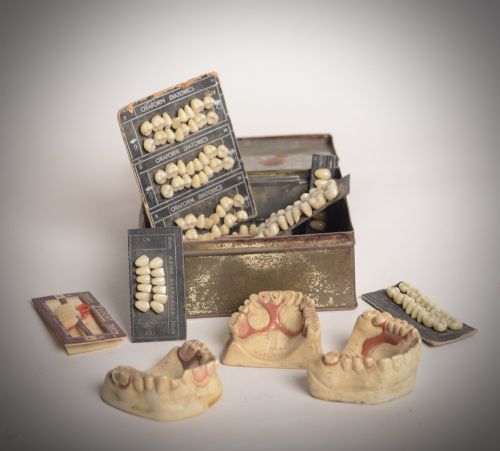
When you search for antique medical equipment, you encounter a specialised field spanning the nineteenth and early twentieth centuries. These pieces encompass surgical instruments, dental apparatus, apothecary cabinets, and diagnostic tools used in clinical and veterinary practices.
The objects appearing on this page range from cased optometrist sets and electrotherapy devices to heavy cast iron dentist chairs and doctor scales. Practitioners relied on these implements for everything from routine examinations to major surgical interventions.
Victorian and Edwardian examples dominate the selection, often retaining their original fitted wooden boxes or leather cases. Each item tells a direct story of period medical administration and industrial utility.
Materials and construction methods
Makers utilised robust combinations of brass, steel, mahogany, oak, and leather to build instruments designed for enduring clinical utility. Surgical saws and lancets combined forged steel blades with turned handles of ebony or bone.
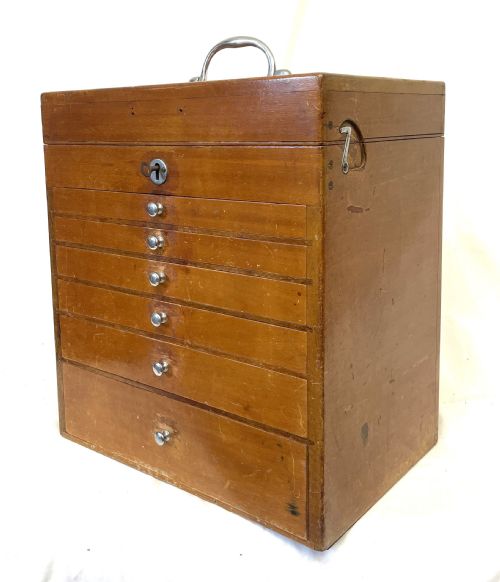
Cabinetmakers constructed fitted tabletop and apothecary chests from mahogany and oak, incorporating multiple small drawers for delicate glass vials and instruments. Cast iron provided the heavy structural base required for dental chairs and apothecary presses.
A travelling veterinarian once relied on a diminutive leather-cased kit to treat patients across the countryside.
Assessing quality and craftsmanship
Quality in these instruments rests upon the precision of the metalwork and the integrity of the maker's markings. Finer pieces bear clear signatures from established firms like John Millikin or Maw, stamped directly into the steel or brass.
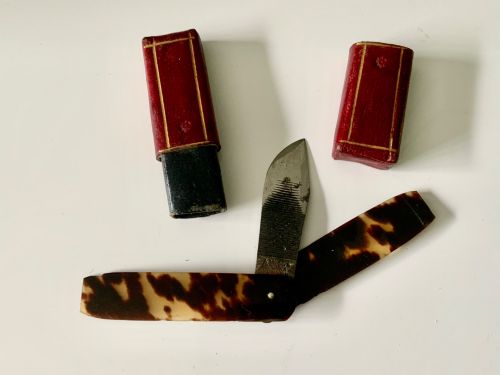
The survival of original fitted cases, complete with velvet linings and matching components, distinguishes superior examples from incomplete items. Materials such as figured mahogany and polished tortoiseshell indicate higher production standards tailored for prominent practitioners.
John Millikin·Maw·Gardner Edinburgh·Fairbanks Scale Co
The Antique Medical Equipment Glossary
- Lancet
- A small surgical knife with a double-edged blade, historically used for vaccination and bloodletting. These were frequently housed in small folding tortoiseshell or leather cases.
- Tonsillotome
- A specialised surgical instrument designed for tonsillectomy procedures, incorporating a guillotine action. Examples often feature ebony handles and maker stamps from Edinburgh or London.
- Cupping set
- A collection of glass or metal cups and scarificators used in traditional medical treatments to draw blood to the surface of the skin. They were typically arranged within fitted mahogany boxes.
- Electrotherapy device
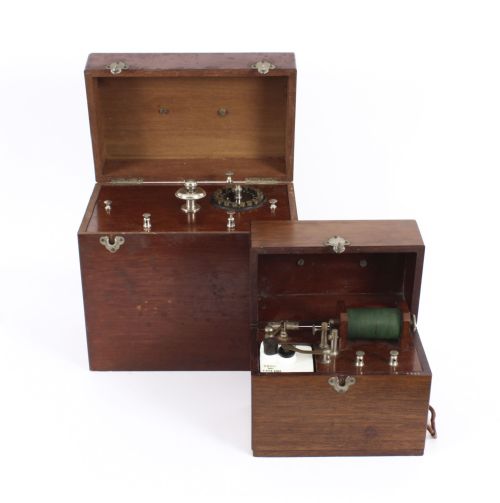
- A nineteenth-century apparatus utilised for medical treatments involving electrical currents. These units were housed in polished wooden boxes with glass components and dials.
- Apothecary cabinet
- A small wooden chest featuring multiple drawers designed for storing medicinal ingredients and equipment. They reflect the utilitarian storage needs of nineteenth-century chemists and doctors.
Antique Medical Equipment: Frequently Asked Questions
What is antique medical equipment?
Antique medical equipment comprises historical instruments, furniture, and diagnostic tools used by doctors, dentists, and veterinarians primarily during the nineteenth and early twentieth centuries.
These items range from pocket surgical kits and optometrist sets to heavy cast iron dental chairs and oak doctor scales.
How were surgical instruments stored?
Many surgical and diagnostic instruments were housed in custom-fitted wooden boxes made from mahogany or oak, lined with velvet or leather. These fitted cases protected delicate metal tools during transport and storage.
Field kits often utilised compact leather cases designed for veterinary or military use.
Are these items safe to use?
Antique medical equipment is intended strictly for display, collection, and historical study rather than modern clinical application. Materials and historical residues may not meet contemporary safety standards.
Collectors value them for their craftsmanship, mechanical ingenuity, and historical importance within the evolution of medicine.
How do I identify the period?
Periods can often be identified through material choices, manufacturing techniques, and stylistic markers associated with Victorian, Edwardian, or Regency eras. Stamped maker names and patent dates provide direct chronological evidence.
Cabinet construction styles and the evolution of clinical design also help narrow down the date of manufacture.