





Antique Apothecary Instrument
An antique apothecary instrument brings tactile precision and scientific heritage into a room, spanning timber cabinets, brass scales and diagnostic tools.
Antique Apothecary Instrument
When you search for an antique apothecary instrument, you encounter items designed for medical, veterinary and scientific work from the nineteenth and early twentieth centuries. The selection here ranges from balance scales and medical chests to dentist cabinets and diagnostic devices.
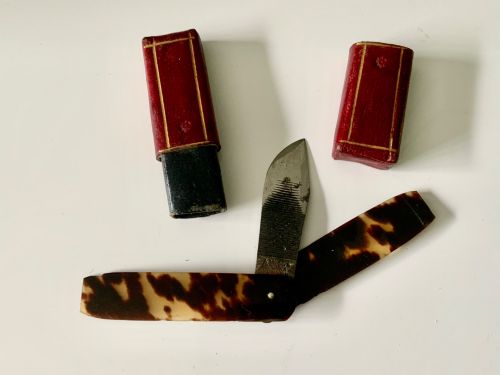
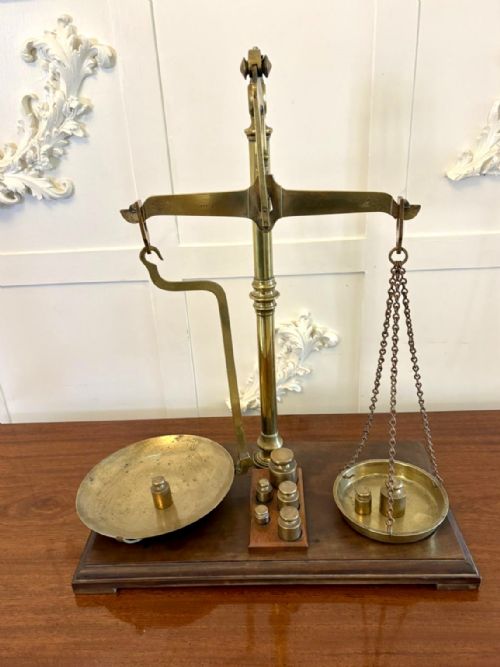
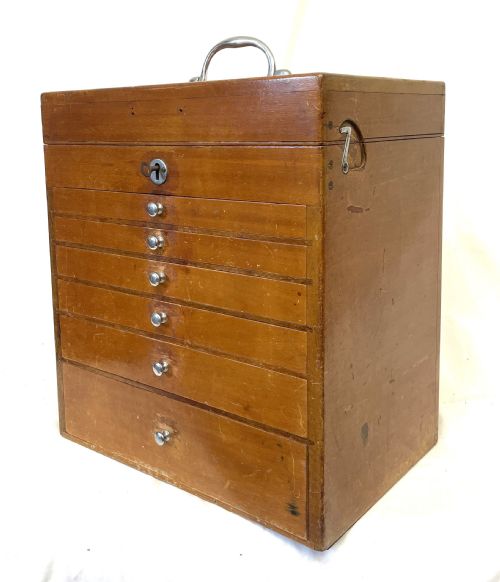
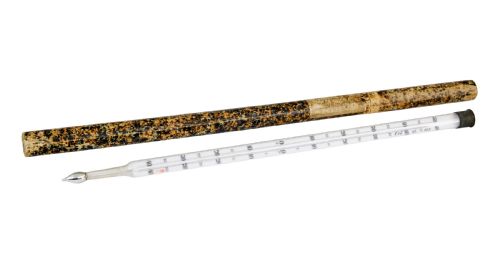
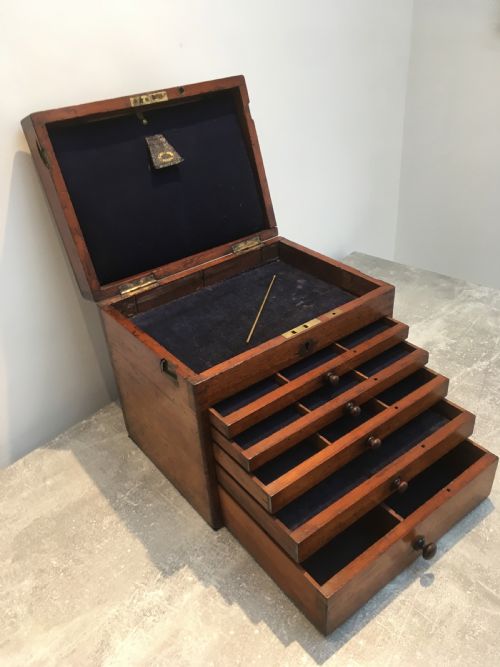
You are most likely to meet Victorian brass and mahogany balance scales alongside oak or pine medical and dentist cabinets fitted with multiple small drawers. Smaller handheld pieces such as treen stethoscopes, thermometers and vaccinating lancets also appear regularly.
The objects originate from periods spanning the late nineteenth century up to the 1930s, reflecting both utilitarian tradesman needs and domestic scientific pursuits. They survive in materials designed for robust daily use in surgeries and dispensaries.
How they were made
Makers utilised dense hardwoods such as mahogany and oak to construct durable instrument cases, collectors cabinets and storage chests that protected delicate contents. Brass formed the primary medium for balance scales, beam assemblies and precision fittings, combined with steel for functional medical tools.
Glass panels and small turned wooden treen elements completed items like stethoscopes and thermometer cases. Construction methods prioritized secure joinery, such as fitted drawers and tailored compartments, to keep instruments immobile during transport.
Veterinary tools remind us that nineteenth-century horses and cattle received medical care just as precise as their human owners.
What varies in quality
Quality rests upon the precision of the mechanics in balance scales and the complexity of timber framing in multi-drawer cabinets. Pieces by documented makers command greater attention due to the fine tolerances achieved in beam assemblies and engraved scales.
The survival of original fitted cases, complete sets of weights and untouched surface patination elevates an instrument beyond utilitarian examples. Superior pieces display thoughtful arrangement of internal compartments and uncompromised timber integrity.
Day & Millward·Oertling
The Antique Apothecary Instrument Glossary
- Lancet
- A small surgical blade used for bleeding or vaccinations. Nineteenth-century examples often fold into protective cases.
- Beam scales
- Precision weighing instruments utilising a central fulcrum and suspended pans. Chemists and apothecaries relied on them for exact compounding.
- Collector cabinet
- Multi-drawer storage furniture designed for specimens or slides. These pieces feature numerous shallow drawers for orderly arrangement.
Antique Apothecary Instrument: Frequently Asked Questions
What is an antique apothecary instrument?
These items encompass the physical tools and storage containers used by chemists, doctors and practitioners during the nineteenth and early twentieth centuries. They range from delicate brass balance scales to multi-drawer wooden cabinets.
Such objects served practical functions in medical dispensaries and surgeries before modern mass production changed laboratory equipment.
How were precision scales used?
Apothecaries used beam scales to weigh dry and liquid ingredients accurately for medical prescriptions. The balance relied on set brass weights matched to the substances.
Precision was paramount to ensure correct dosages, which explains the careful construction and enclosed mahogany cases often found with these sets.
How do I date an instrument?
Dating relies on material combinations, construction techniques and stylistic markers associated with periods like the Victorian era or the 1920s. Mahogany and brass frequently point to nineteenth-century manufacture.
Maker signatures, stamps and patent details inscribed on the metal or timber provide further chronological clues.
How should I display a cabinet?
Medical and dentist cabinets suit studies, living spaces or hallways where their numerous small drawers can be appreciated. Placing them away from direct sunlight protects the polished mahogany or oak surfaces.
Their utilitarian origins mean they mix well with modern interiors while offering practical tabletop storage.