



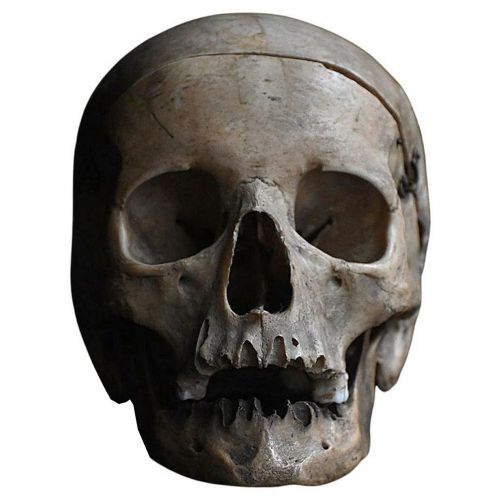


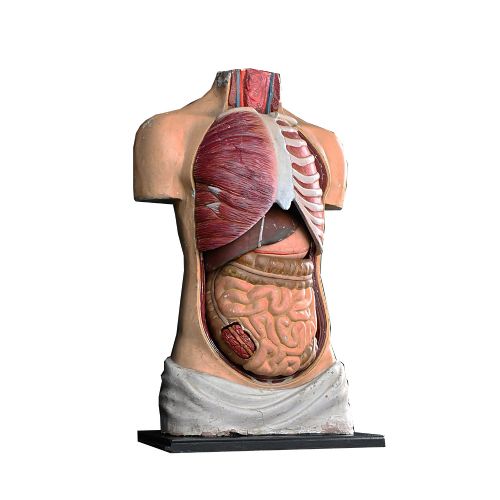
Antique Anatomical Model
An antique anatomical model represents the physical form through medical and artistic study, prized for its detailed structure and historical utility.
Antique Anatomical Model
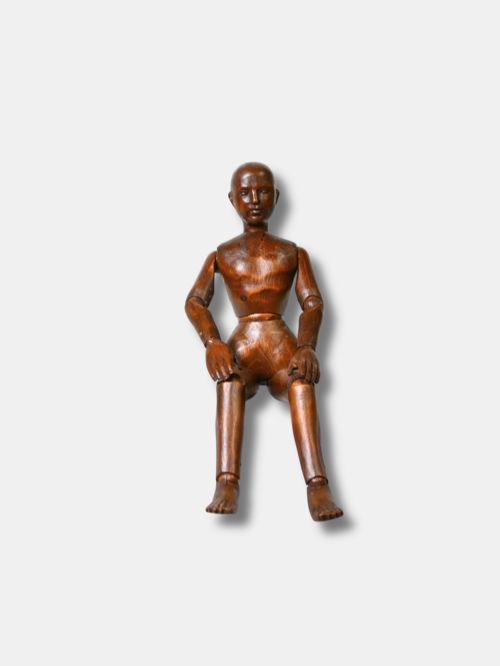
When you search for an antique anatomical model, you encounter a specialised group of objects spanning the nineteenth century through the early twentieth century. These pieces encompass medical specimens, studio plaster casts, and articulated artist lay figures originating from Britain, France, Germany, and Italy.
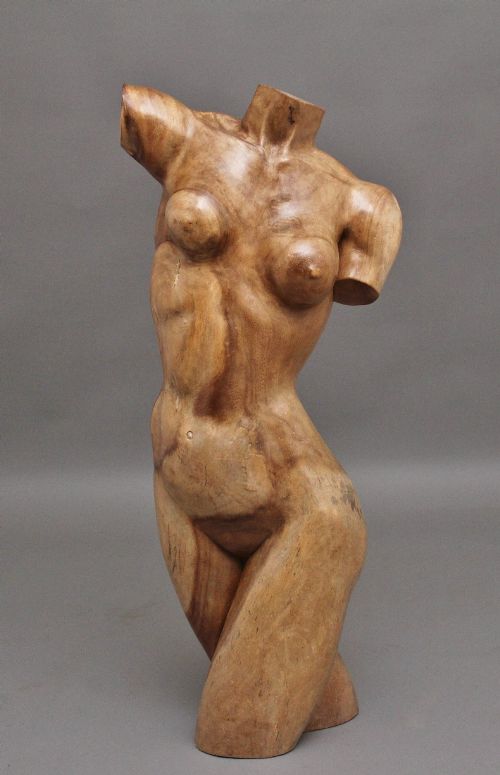
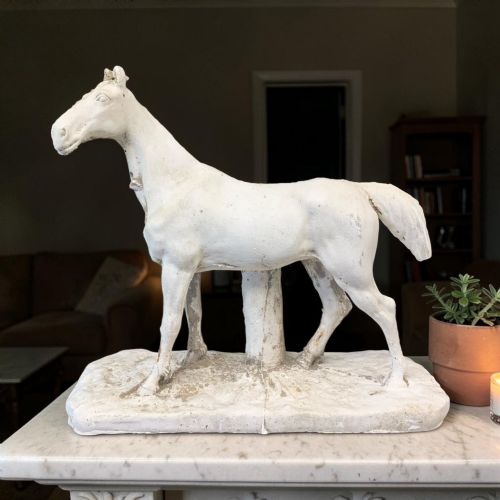
The most common examples on this page include carved wood and plaster artist mannequins alongside specific human and animal forms. Medical examples include wax heads and natural history specimens, reflecting both scientific inquiry and academic studio practice.
Originating from periods such as the Victorian era, the Edwardian period, and the 1920s and 1930s, these objects bridge the gap between fine art and medical history. Each item serves as a tangible record of how the human and animal body was studied, taught, and represented in past centuries.
What varies in quality
In plaster and wax specimens, quality rests on the fidelity of the anatomical rendering and the preservation of delicate modelling. Pieces produced by established casting workshops show sharper definition in muscle structures and skeletal forms compared to simpler commercial versions.
Current listings demonstrate a material range spanning carved wood, plaster, iron, bone, bronze, paint, and terracotta across the nineteenth and early twentieth centuries.
D Brucciani and Co London·Educational and Scientific Plastics Ltd
The Antique Anatomical Model Glossary
- Artist lay figure
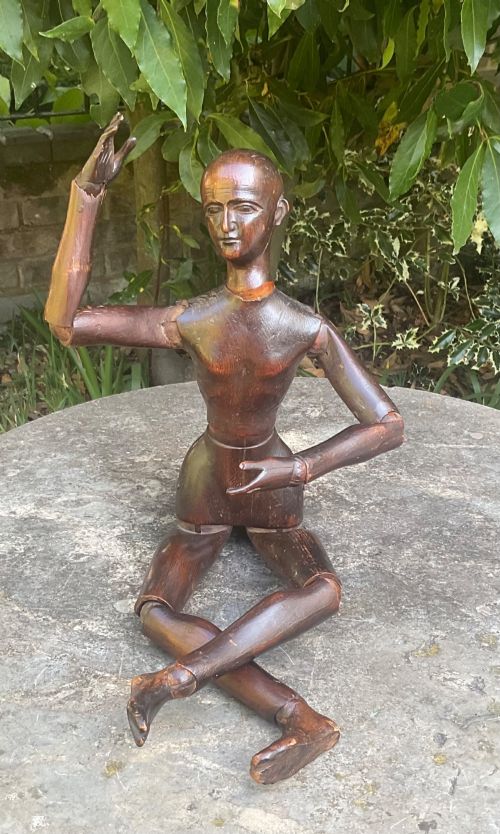
- A wooden or papier-mâché mannequin with articulated joints used by painters and sculptors to study drapery and human form. These figures range from small desk models to life-size studio examples.
- Misericordi
- A skeletal representation often associated with memento mori themes, serving as a visual reminder of mortality in historical collections.
- Plaster cast
- A three-dimensional copy made by pouring liquid plaster into a mould, commonly utilised in nineteenth-century art academies for student study.
- Articulated
- Having joints or hinged sections that permit movement, allowing the model to be posed in various anatomical or dynamic positions.
- Grand Tour
- A cultural journey undertaken by nineteenth-century Europeans visiting classical sites, often acquiring small-scale bronzes and souvenir sculptures.
Antique Anatomical Model: Frequently Asked Questions
How were antique anatomical models used?
These models served primarily as educational tools in medical schools or as visual references for artists studying proportion, musculature, and movement. Artists used articulated wooden figures to arrange complex drapery and lighting in the studio.
Medical specimens and plaster casts provided students with access to anatomical structures that were otherwise difficult to study consistently. Their dual purpose bridged scientific research and academic fine art training throughout the nineteenth and early twentieth centuries.
How do I identify a 19th-century model?
Nineteenth-century pieces typically display hand-carved wooden construction, traditional plaster casting techniques, or nineteenth-century medical preparation methods. Examining the joinery, pegging, and surface wear helps distinguish genuine period pieces from later reproductions.
Material patination and the specific style of the mounting hardware also offer clues to the era of manufacture. Makers' stamps or workshop labels, when present, provide a direct link to nineteenth-century production centres in London, Paris, or Germany.
Are these models made of wood or plaster?
The evidence shows both materials used extensively, alongside metal, iron, bone, paint, wax, terracotta, and bronze. Wooden examples are often articulated artist lay figures, while plaster and wax frequently appear in medical specimens and studio casts.
Certain objects combine materials, utilising wooden or iron armatures beneath plaster or wax surfaces to ensure structural stability. The choice of material usually depended on whether the object required flexibility for posing or rigidity for anatomical accuracy.
How should I care for an antique model?
Preserving these objects requires maintaining stable room temperatures and avoiding direct sunlight, particularly for delicate materials like wax, painted plaster, and nineteenth-century wood. Gentle dusting with a soft, dry brush prevents particulate accumulation without introducing moisture.
Articulated joints on wooden figures should be manipulated with care to avoid stressing historical pins and hinges. For wax or terracotta specimens, environmental control protects against cracking and surface degradation over time.