
Antique Match Holder Striker
When you search for an antique match holder striker, you are looking at tactile smokeroom companions made to ignite safety matches in the home or pocket.
Antique Match Holder Striker
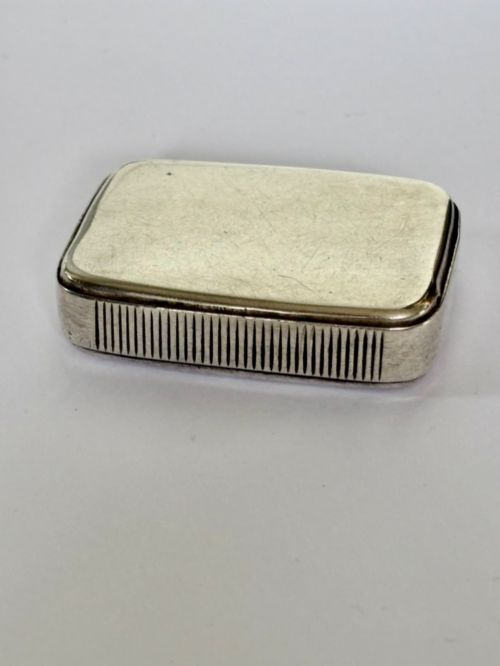
An antique match holder striker serves to hold matches safely while providing a rough surface on the base or side to ignite the phosphorus head. These practical objects span the Victorian, Edwardian, and George V periods, appearing as heavy table accessories for the desk or smoking room as well as pocket-sized cases.
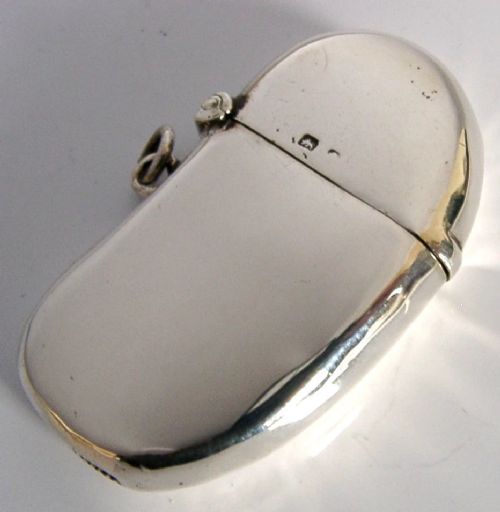
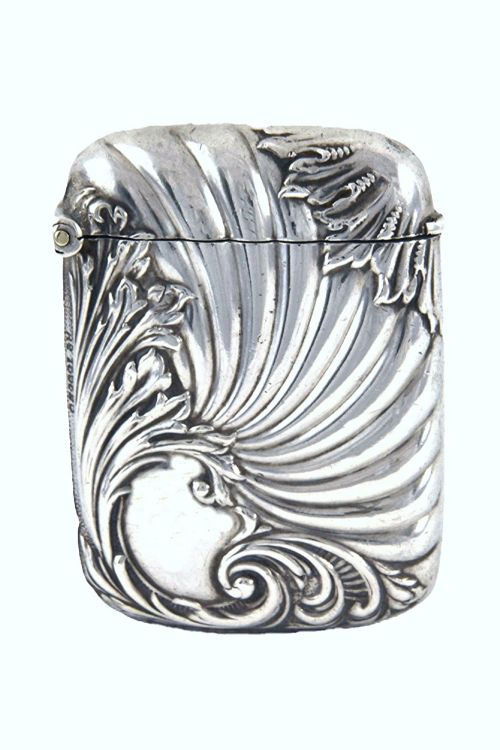
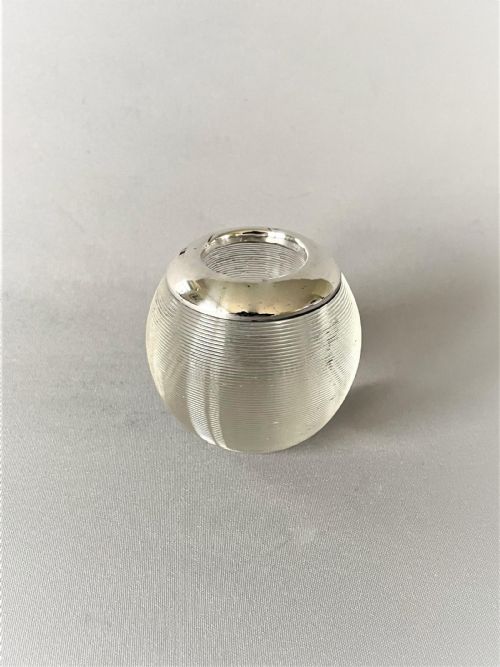
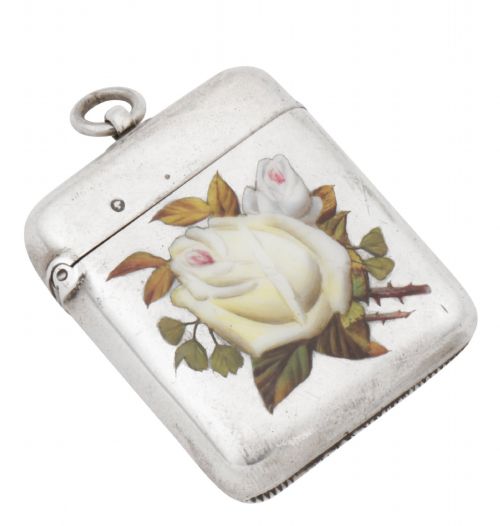
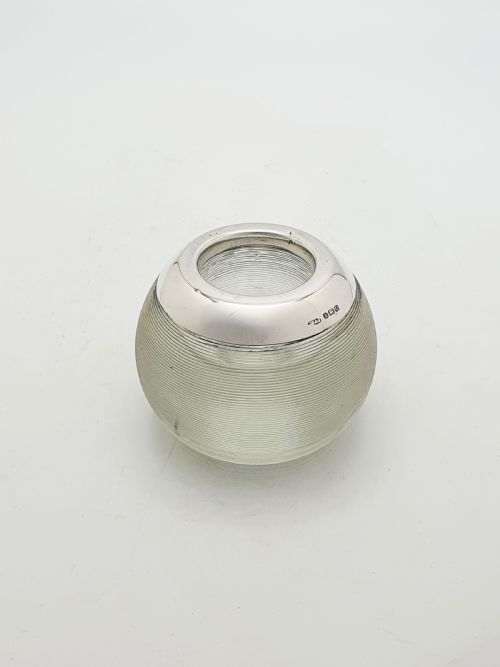
The form stretches from simple glass and ceramic pots with ribbed striking bases to carved wooden folk art figures and silver pocket receptacles. You will most frequently encounter sterling silver vesta cases alongside ceramic and glass match striker pots on this page.
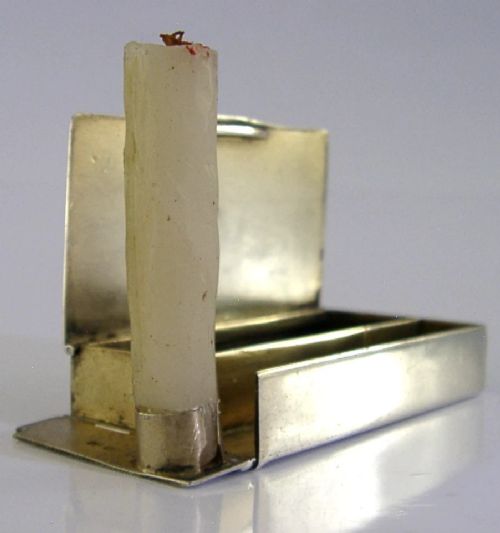
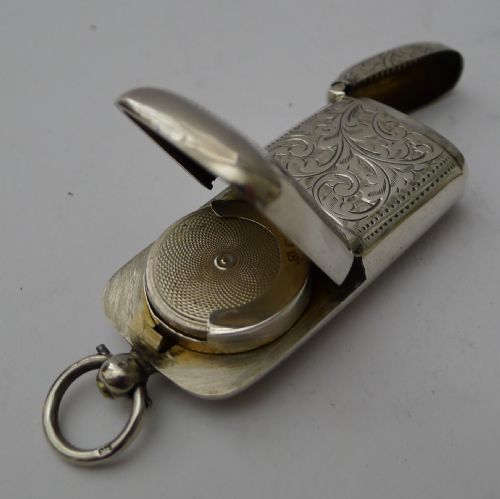
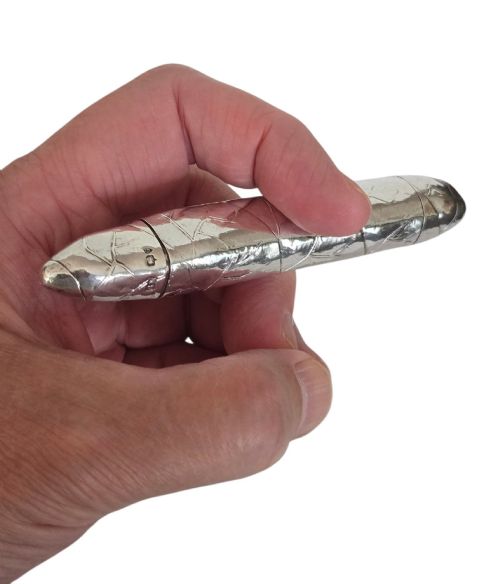
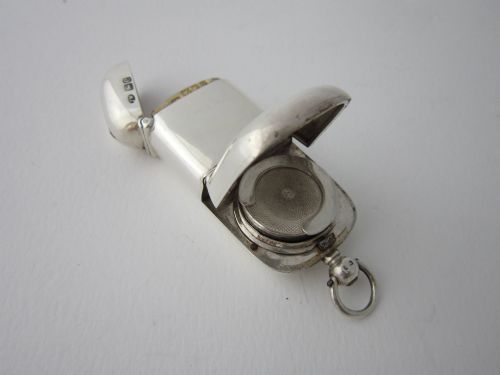
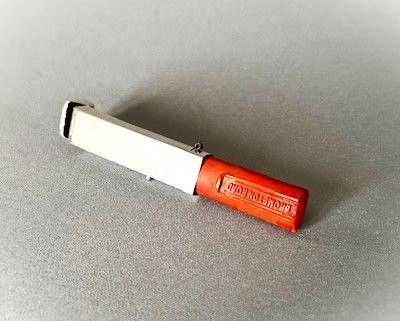
Specialised variations combine the standard match container with sovereign holders, cigar cutters, or wax tapers for lighting pipes and candles. Novelty shapes including animals, kidneys, and barrels reveal the playful side of late nineteenth and early twentieth century tobacco culture.
How they were made
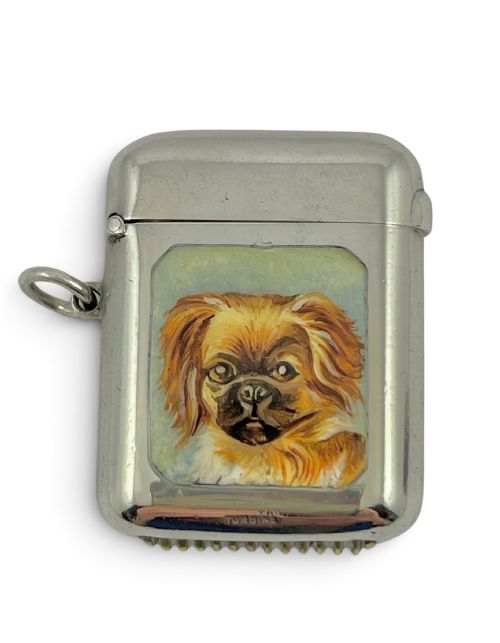
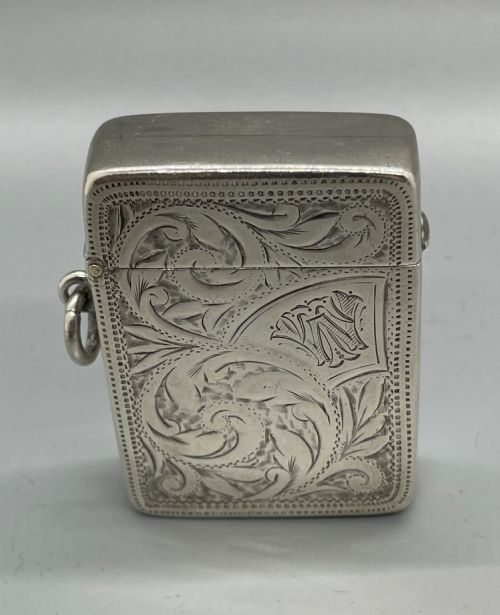
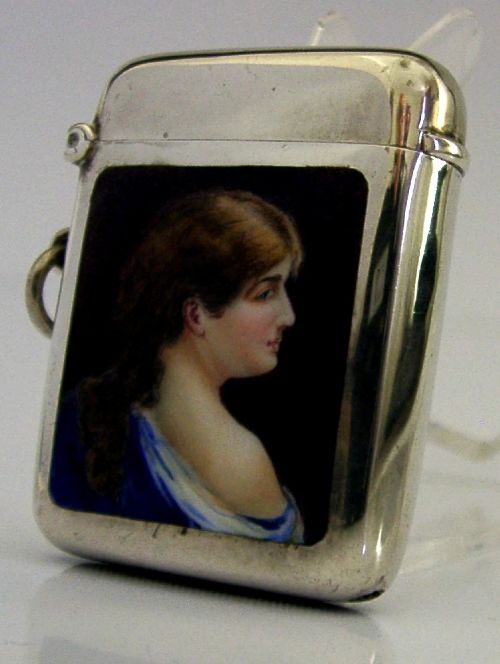
Metalsmiths constructed pocket vestas from sterling silver and silver gilt, often adding hand-painted enamel crests, portraits, or engine-turned engraving to the outer shell. Table versions pair textured glass or earthenware bodies with heavy silver mounts that incorporate abrasive striking panels.
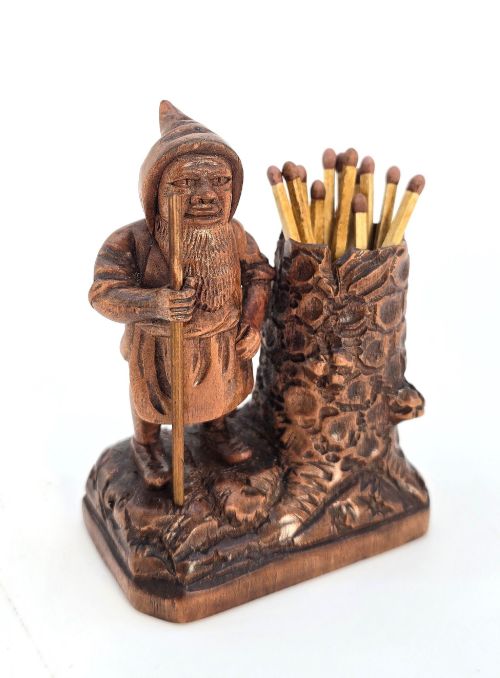
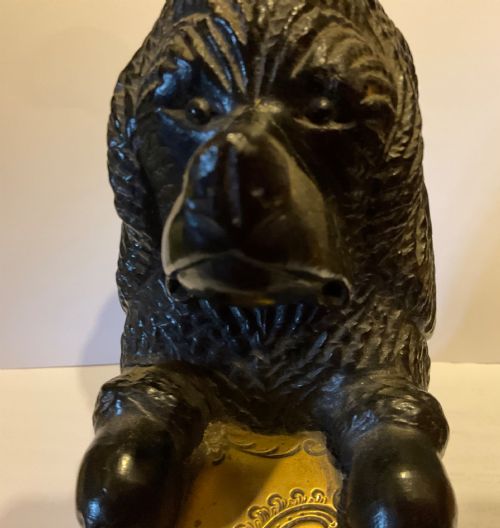
Carvers shaped limewood and treen into figurative match dispensers depicting owls, dogs, and gnomes, utilising fine hand tools to render intricate detail. Ceramic and porcelain examples relied on moulded earthenware bodies finished with glazed surfaces and stippled ceramic panels designed to create friction.
A carved limewood gnome watches over your matches, dated to 1916 and ready for service.
What varies in quality
The distinction between ordinary and exceptional pieces rests upon the crispness of the hand-engraving, the depth of the silver gauge, and the complexity of the mechanism. Maker attribution plays a decisive role, with signed works from established silversmiths demonstrating superior hinge alignment and tighter case closures.
Figural examples carved from wood or modelled in ceramic achieve distinction through anatomical accuracy and expressive character rather than mere utility. Painted enamel decoration on silver cases retains greater value when the pigments remain vibrant and free from chipping.
Sampson Mordan and Co·A and J Zimmerman·William Neale·Raphael Tuck and Sons·Alfred Clark·William Hair Haseler·Cornelius Desormeaux Saunders and James Francis Hollings Shepherd
The Antique Match Holder Striker Glossary
- Vesta case
- A small pocket box designed to hold matches, named after the Roman goddess of the hearth. These containers feature a ribbed striking surface on the bottom.
- Treen
- Small handmade wooden household objects carved from domestic hardwoods. Collectors use this term to describe treen match holders and barrels.
- Silver gilt
- Silver covered with a thin layer of gold applied to the interior or exterior surfaces. This technique adds warmth and protects the underlying silver from tarnish.
- Wax taper
- A thin wick coated in wax used for transferring a flame from the fireplace to a candle or pipe. Some combination vestas house these tapers internally.
- Tobaccoana
- Artefacts and equipment associated with the consumption of tobacco. Match strikers form a central category within this collecting field.
Antique Match Holder Striker: Frequently Asked Questions
What is the difference between a vesta and a match striker?
A vesta is a pocket-sized case designed to carry matches safely while keeping them dry against the body. A match striker is typically a heavier desk or table accessory with a textured base built for striking the match.
While both serve the same fundamental purpose of ignition, vestas prioritise portability whereas match strikers focus on domestic utility and display.
How do you date an antique silver vesta case?
English silver vesta cases carry hallmarks stamped directly into the metal that reveal the assay office, the specific year of manufacture, and the silversmith's mark. Birmingham, Chester, and London offices operated distinct date letter cycles for each year.
Comparing the stamped lion passant and standard marks provides additional confirmation of the silver purity and period of origin.
Were match strikers used for safety matches?
Many Victorian and Edwardian match strikers were designed for strike-anywhere matches that produced their own flame through friction on any rough surface. Textured ceramic panels and cross-hatched silver bases provided the necessary abrasive friction.
As safety matches requiring a specially treated striking strip gained popularity, the design of these accessories adapted to accommodate the new chemistry.
What are novelty match holders?
Novelty match holders are whimsical containers shaped to resemble animals, human figures, barrels, or everyday objects. Makers used silver, ceramic, and carved limewood to craft humorous pieces for the smoking room.
These unusual forms were popular conversation starters among collectors and guests during the Victorian and Edwardian eras.