


Antique Match Box Holder
An antique match box holder is a practical pocket or desk accessory designed to keep safety matches dry and ready for use.
Antique Match Box Holder
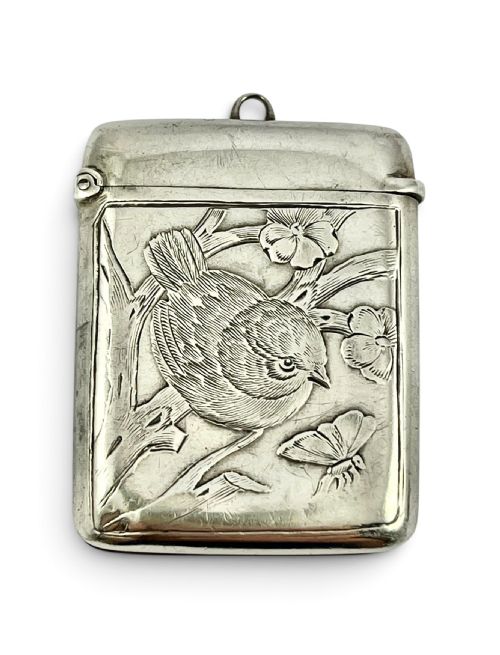
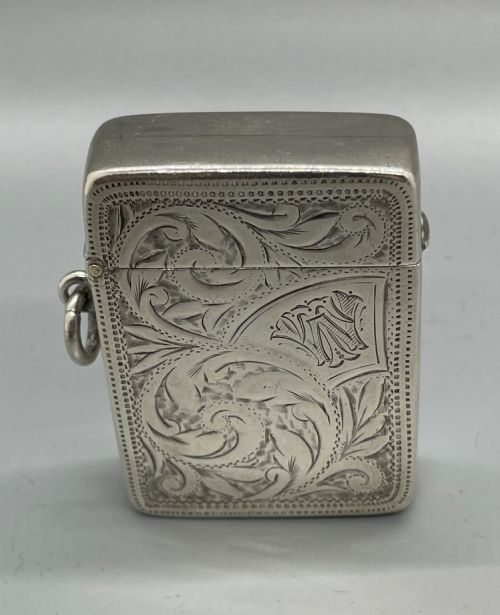
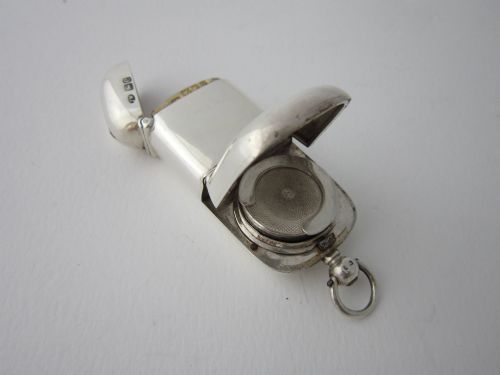
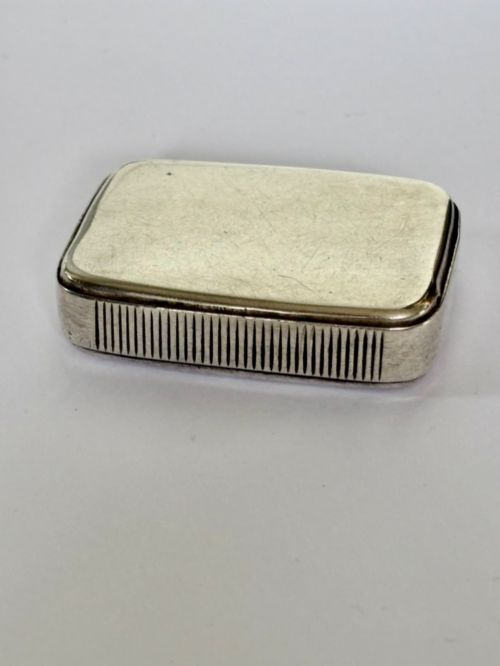
An antique match box holder encompasses functional pocket vesta cases, matchbox covers, spill boxes, and desk match holders designed for everyday utility. These items survive from the Victorian and Edwardian eras, alongside pieces bearing 1920s Art Deco and Amsterdam School influences.
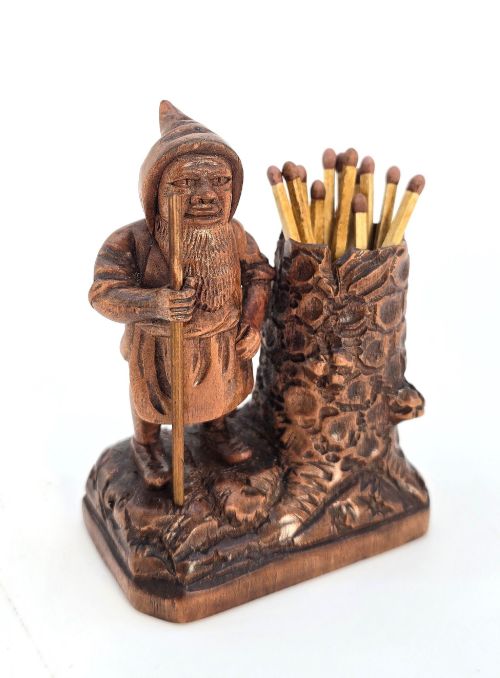
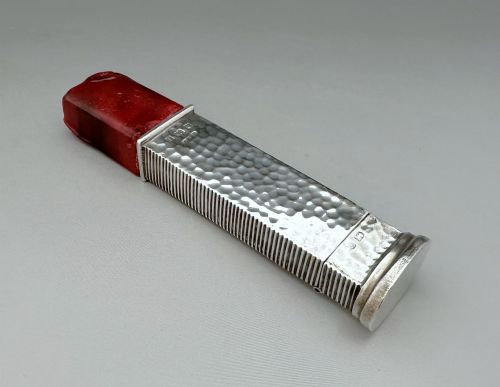
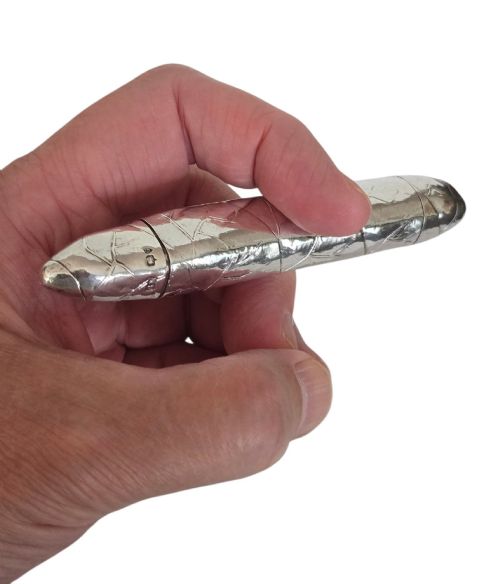
Collectors encounter simple sterling silver match safes alongside novelty forms shaped like animals, figures, or objects such as double-ended cigars and sentry boxes. Many examples double as combination pieces, incorporating sovereign holders, sealing wax compartments, or stamp containers.
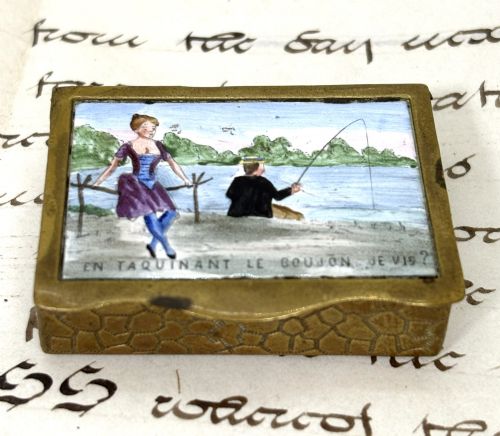
The objects originate primarily from British workshops, though French enamel work and Dutch hanging boxes also appear in the record. Pocket versions typically feature a striking groove on the base to ignite matches on the go.
How They Were Made
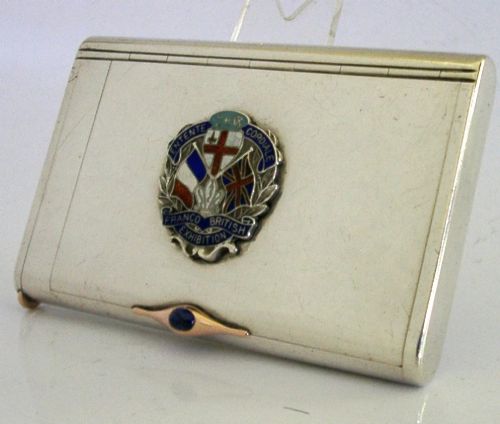
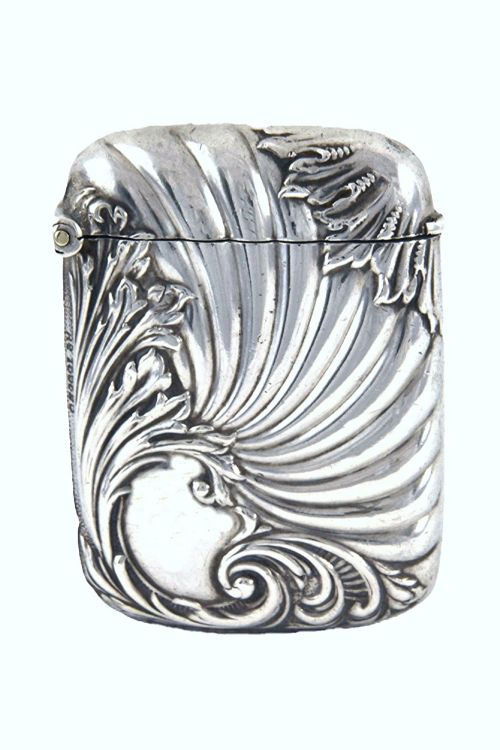
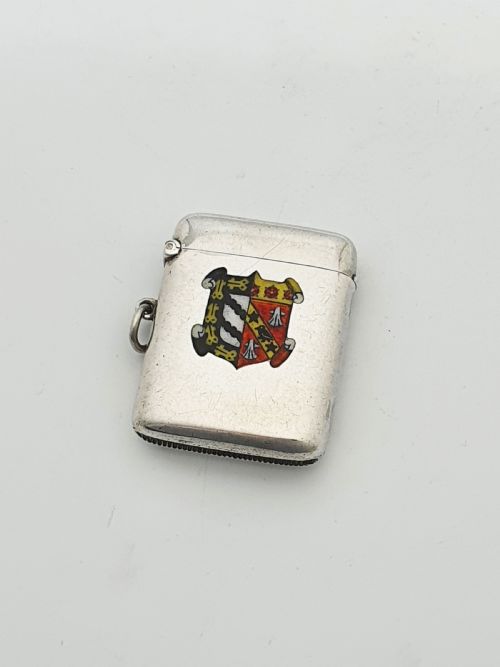
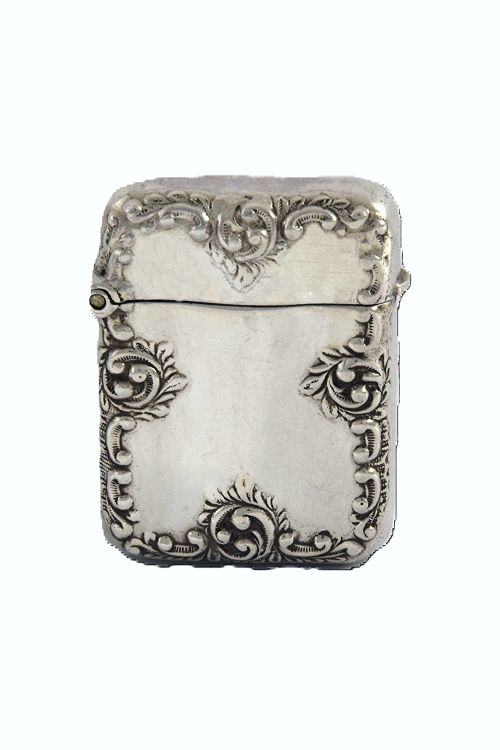
Makers utilised sterling silver and silver gilt as the primary metals, shaping them through stamping, casting, and hand engraving with leaf and scroll motifs. Workshops also applied vitreous enamel to create coloured portraits, animal heads, and heraldic crests on the metal surface.
Alternative materials include carved limewood, Madagascar ebony veneer, brass, nickel-plated brass, and hardstones such as onyx and lapis lazuli. Joinery, hinges, and spring-loaded lids required precise metalworking to ensure the case closed tightly enough to protect the matches.
Early owners could carry a miniature portrait of a famous jockey or a pug dog right in their waistcoat pocket.
What Varies in Quality
The standard of an antique match box holder rests on the crispness of the casting and the depth of the hand engraving. Superior pieces exhibit fine detail in novelty animal forms and portraits, whereas lesser examples rely on plain stamped surfaces with minimal decoration.
The integrity of applied enamel work significantly influences the piece, with flawless polychrome surfaces sitting at the higher end of the scale. The quality of the original hallmarks, hinge action, and secure lid closure also distinguish standard utilitarian items from exceptional workshop output.
Sampson Mordan & Co·A & J Zimmerman·J.B. Bennet·Robert Pringle·George Betjemann·Dunhill
The Antique Match Box Holder Glossary
- Vesta case
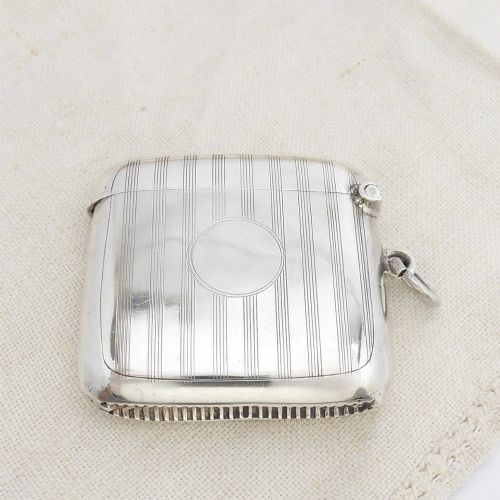
- A small pocket container designed to hold matches, fitted with a striker on the bottom. These items became necessary following the invention of the friction match in the nineteenth century.
- Castle top
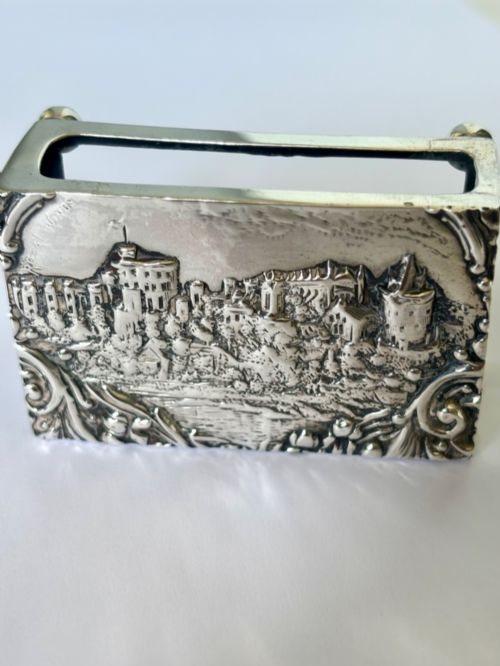
- A metal case lid featuring a high-relief engraving of a specific British landmark or building, such as Windsor Castle. These architectural scenes were popular on mid-to-late Victorian silver pieces.
- Silver gilt
- Sterling silver that has been coated with a thin layer of gold on the surface. This technique provides the rich appearance of solid gold while utilising a silver base.
- Spill box
- A container designed to hold thin wooden spills used for transferring flames from a fireplace to a candle or pipe. They often sat on mantelpieces alongside match holders.
- Trick vesta
- A novelty case requiring a specific hidden mechanism or sequence of movements to open. These interactive pieces demonstrate the playful ingenuity of Victorian metalworkers.
Antique Match Box Holder: Frequently Asked Questions
What is a vesta case?
A vesta case is a small pocket box designed to carry matches safely while protecting them from moisture. They feature an integrated striking surface on the exterior for lighting matches on demand.
Victorian and Edwardian gentlemen and ladies carried these items daily in pockets or attached to chatelaines. They served as both personal accessories and miniature canvases for decorative metalwork.
How do I date an antique silver match holder?
Dating relies heavily upon the official hallmarks stamped into the metal by an assay office, which indicate the city and year of production. Additional clues include the stylistic period, such as Edwardian neoclassical lines or 1920s geometric Art Deco forms.
Maker marks also help narrow down the production window when records link a specific stamp to active partnership years. Surviving archival context and patent dates provide further chronological anchors.
Were match holders only made of silver?
While sterling silver dominates the surviving record, makers utilised a wide variety of materials. Brass, nickel-plated brass, gold, and silver gilt appear frequently alongside carved limewood and exotic wood veneers.
Some high-end desk models incorporate hardstones like onyx and lapis lazuli, while pocket versions often feature colourful vitreous enamel panels depicting animals, portraits, or crests.
What are novelty match holders?
Novelty match holders are pieces shaped into playful, unconventional forms rather than standard rectangular boxes. Common examples replicate animals, boots, books, skulls, or specific human portraits.
Some advanced novelty pieces incorporate trick mechanisms that require pressing hidden catches to open the lid. These interactive items reflect the lighthearted craftsmanship of late nineteenth-century workshops.