



Collectible Vesta Case
A collectible vesta case is a portable match container made for the pocket, offering a glimpse into Victorian and Edwardian pocket habits.
Collectible Vesta Case
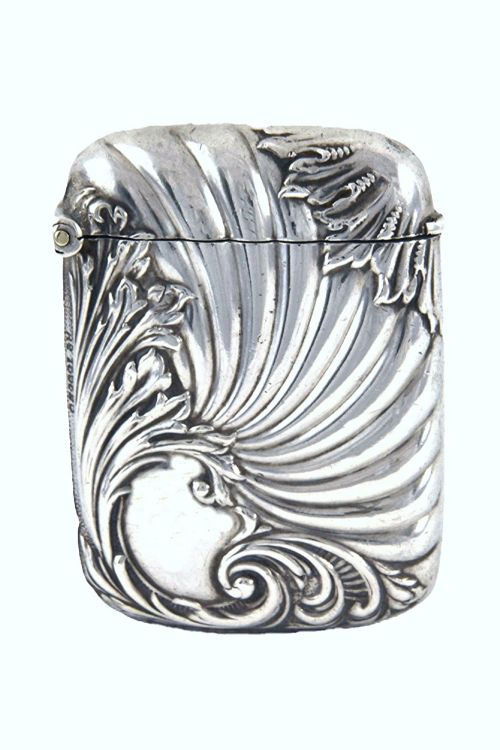
When you search for a collectible vesta case, you find small portable containers designed to hold matches safely in the pocket or handbag. The versions you are most likely to meet on this page date from the Victorian and Edwardian periods, alongside George V and later mid-century examples.
The forms range from traditional rectangular silver match holders to novelty shapes such as animal figures, portraits, and pendant designs. Alongside metal pocket boxes, you also encounter ceramic match striker pots used on tabletops.
Materials and construction
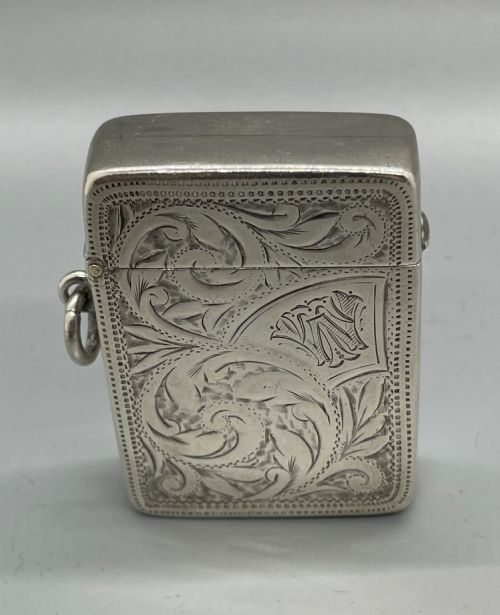
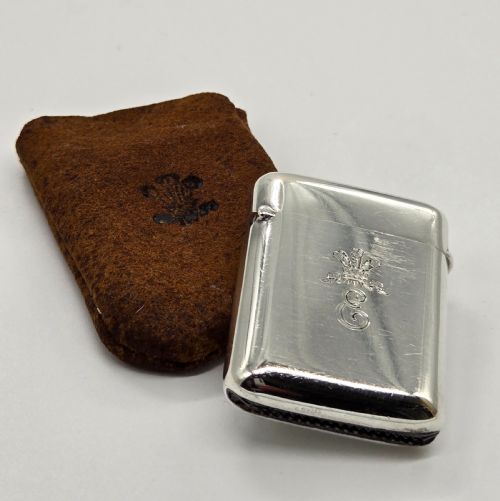
These pieces are predominantly made from sterling silver, nickel-plated brass, and ceramic or earthenware. Metal versions often feature crisp hallmarks, coin-edge strikers, or detailed engraved decoration depicting golfers, portraits, and crests.
Enamel is utilised for colourful imagery on metal surfaces, such as pug dogs, jockey silks, and royal presentations. Ceramic match striker pots combine glazed earthenware bodies with textured unglazed strips for striking matches.
Listings feature sterling silver, nickel, brass, earthenware, and enamel materials spanning the Victorian, Edwardian, George V, and 1960s eras.
Assessing quality
Quality rests upon the crispness of the hand-engraving, the complexity of the subject matter, and the condition of any applied enamel. Finely detailed figural shapes, such as cats or portrait faces, show superior artistry compared to plain rectangular boxes.
Piecemetal work and hallmarks also dictate the standing of a piece, with clear assay office stamps adding authority. The presence of specialised royal connections or sporting motifs elevates the interest for a collector.
Alfred Clark·Macintyre Pottery
The Collectible Vesta Case Glossary
- Hallmark
- An official stamp applied to precious metals indicating the standard of purity, the assay office, and the date of manufacture. These markings help date silver pieces accurately.
- Enamel
- A glassy substance fused to metal through firing, used to add decorative colour and detailed imagery. It appears on special edition pieces depicting animals or portraits.
- Match striker
- A textured surface or pot designed specifically to ignite the match head. Ceramic versions allowed household users to light matches conveniently in a room.
Collectible Vesta Case: Frequently Asked Questions
What is a vesta case?
A vesta case is a small pocket container built to hold matches securely before the widespread availability of safety boxes. They became essential daily accessories in the nineteenth and twentieth centuries.
Most feature a hinged lid operated by a spring and a textured strike area on the bottom to ignite the match upon removal.
How do I use a vesta case?
You carry matches inside the metal compartment and press the release catch to open the lid when a light is needed. The matches strike against the grooved base of the case itself.
Modern users often display them in collections or utilise them as pill boxes and small trinket holders.
Are all vesta cases made of silver?
No, while sterling silver is common, many examples utilise nickel-plated brass, base metals, and ceramic earthenware. Ceramic versions usually function as stationary match striker pots rather than pocket boxes.
Enamel, suede lining, and brass are also found across different styles and periods.
How can I tell the date?
Silver pieces generally carry hallmarks that include date letters corresponding to specific assay offices and years. Stylistic clues like Edwardian proportions or Victorian engraving styles also help identify the era.
Novelty animal shapes and ceramic pieces often reflect the manufacturing trends of the late nineteenth and mid-twentieth centuries.