
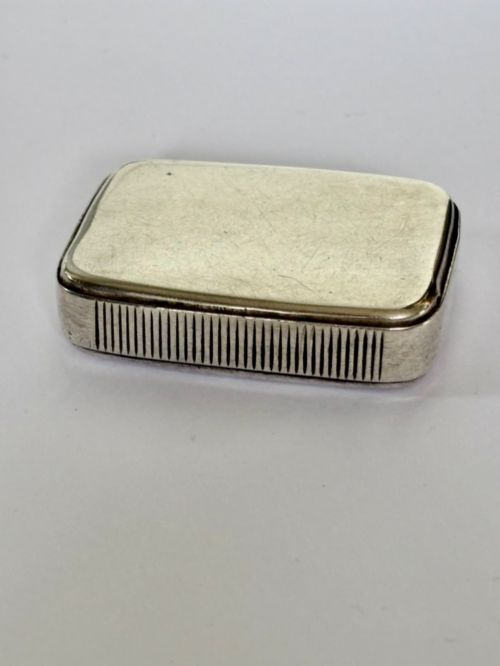


Novelty Match Safe
These novelty match safe pieces are clever pocket containers shaped as animals and figures, prized by collectors for their ingenuity and humour.
Novelty Match Safe
A novelty match safe, often called a vesta case, is a pocket container designed to hold matches safely while carrying them on the person. The pieces found here span the Victorian era into the mid-twentieth century, capturing a period of immense creativity in small metal and carved objects.
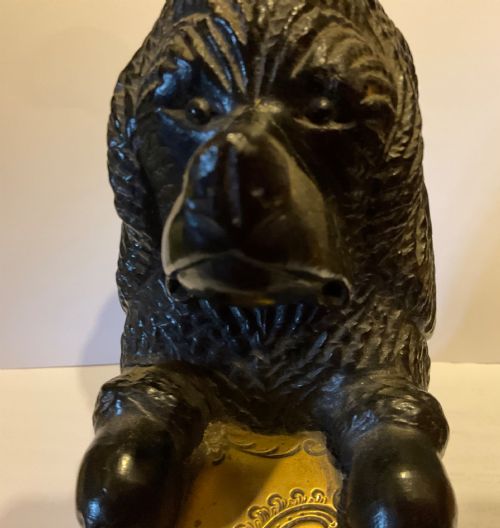
You will encounter these containers shaped as animals such as dogs, boars, elephants, and fish, alongside architectural forms like sentry boxes and sarcophagi. Many examples date from the late nineteenth century, reflecting the peak of Victorian pocket art.
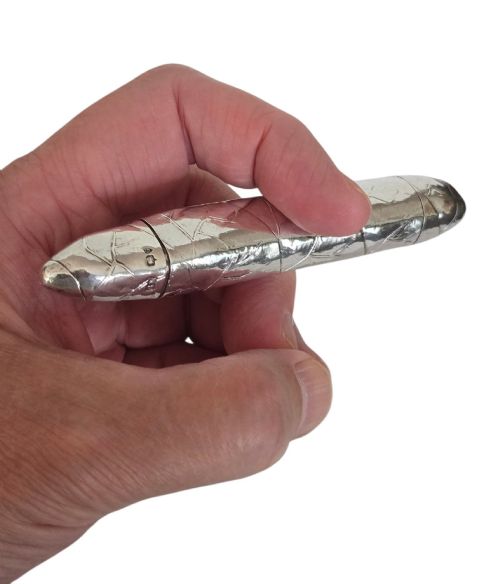
Makers utilised various forms, from double-ended cigars to portrait faces and mermaid repousse designs. These objects served an everyday utility while doubling as conversation pieces for their owners.
How They Were Made
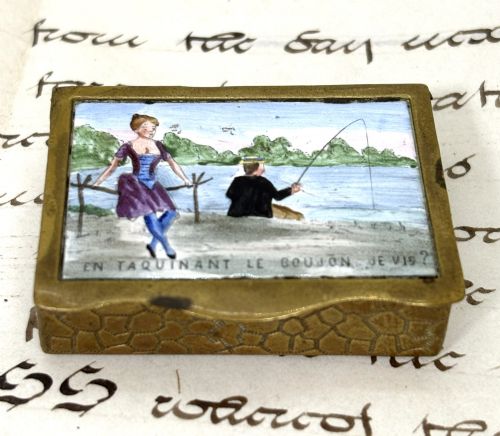
Sterling silver and brass form the backbone of these pieces, often enhanced with enamel, silver gilt, or nickel plating to add colour and texture. Carved wood also appears in animal match dispensers, showing the variety of materials employed by makers.
Listings feature sterling silver, brass, enamel, and carved wood across Victorian and twentieth-century periods.
What Varies in Quality
The integrity of applied enamel and the clarity of hallmarks strongly influence the standing of a piece. Well-preserved gilding and tightly closing lids separate standard containers from finer collector specimens.
Sampson Mordan & Co·A & J Zimmerman
The Novelty Match Safe Glossary
- Vesta Case
- A small pocket box designed to hold matches, known as vestas, which were coated in wax or sulphur. They kept matches dry and prevented accidental ignition in the pocket.
- Match Safe
- The American term for a vesta case, used to describe these pocket match holders. They were essential accessories before the widespread use of safety matches.
- Silver Gilt
- Silver that has been coated with a thin layer of gold on its surface. This technique provided a rich two-tone effect inside or outside the case.
- Repousse
- A metalworking technique where the artisan hammers the design from the reverse side to form a raised relief on the front. It creates tactile textures on items like mermaid match cases.
- Wax Taper
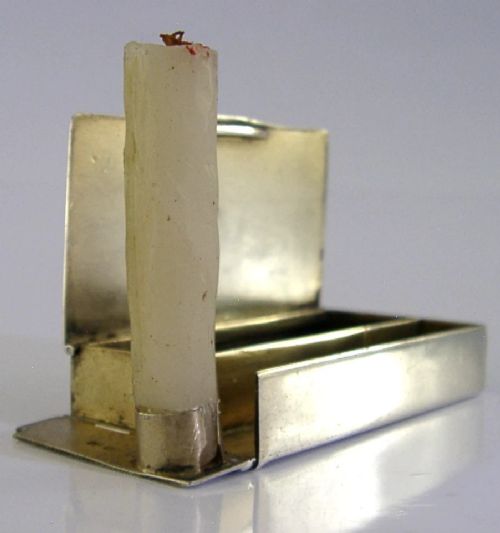
- A slender wax-coated wick used for transferring a flame from a fireplace or candle to a cigar. Some combination cases incorporated these alongside match storage.
Novelty Match Safe: Frequently Asked Questions
How did people use a novelty match safe?
Owners carried these small containers in their pockets or attached them to watch chains to keep safety matches dry and ready for lighting cigars or pipes.
The hinged lids kept the matches secure, while a textured striker on the bottom allowed the user to ignite each match as it was drawn.
What is the difference between a vesta and a match safe?
The terms are largely interchangeable, with vesta case being the traditional British designation and match safe being common in American usage.
Both refer to the same pocket-sized container engineered to house wax vestas and prevent accidental friction.
How can I date a silver novelty vesta?
Dating relies heavily on reading the hallmarks stamped into the metal, which indicate the assay office, standard of silver, and year of manufacture.
Stylistic cues, such as Victorian aesthetic motifs or Art Nouveau curves, also help narrow down the production period when hallmarks are rubbed.
Are these match safes still safe to use?
While the spring-loaded lids and strikers often remain functional, most collectors treat them as display objects rather than everyday pocket items.
Modern matches may not fit the internal dimensions of nineteenth-century cases due to differences in standard match sizes.