


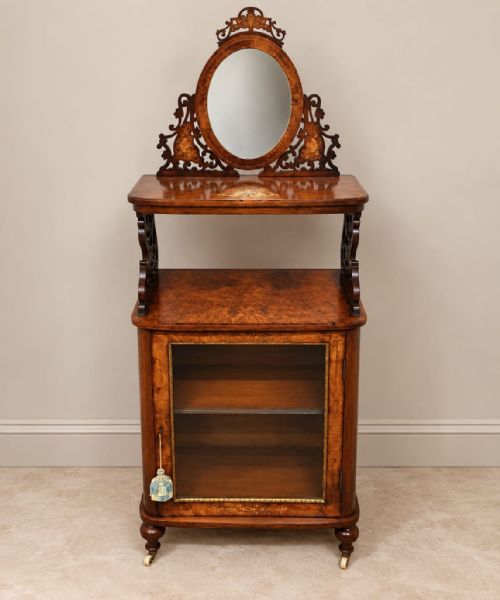
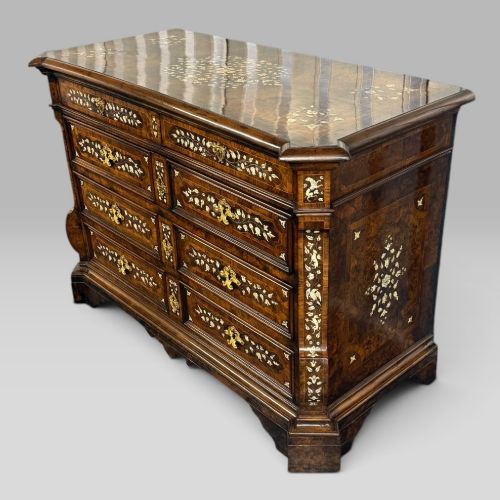
Antique Marquetry Credenza
An antique marquetry credenza brings nineteenth-century drawing-room grandeur into a modern interior through intricate wood veneers and gilded mounts.
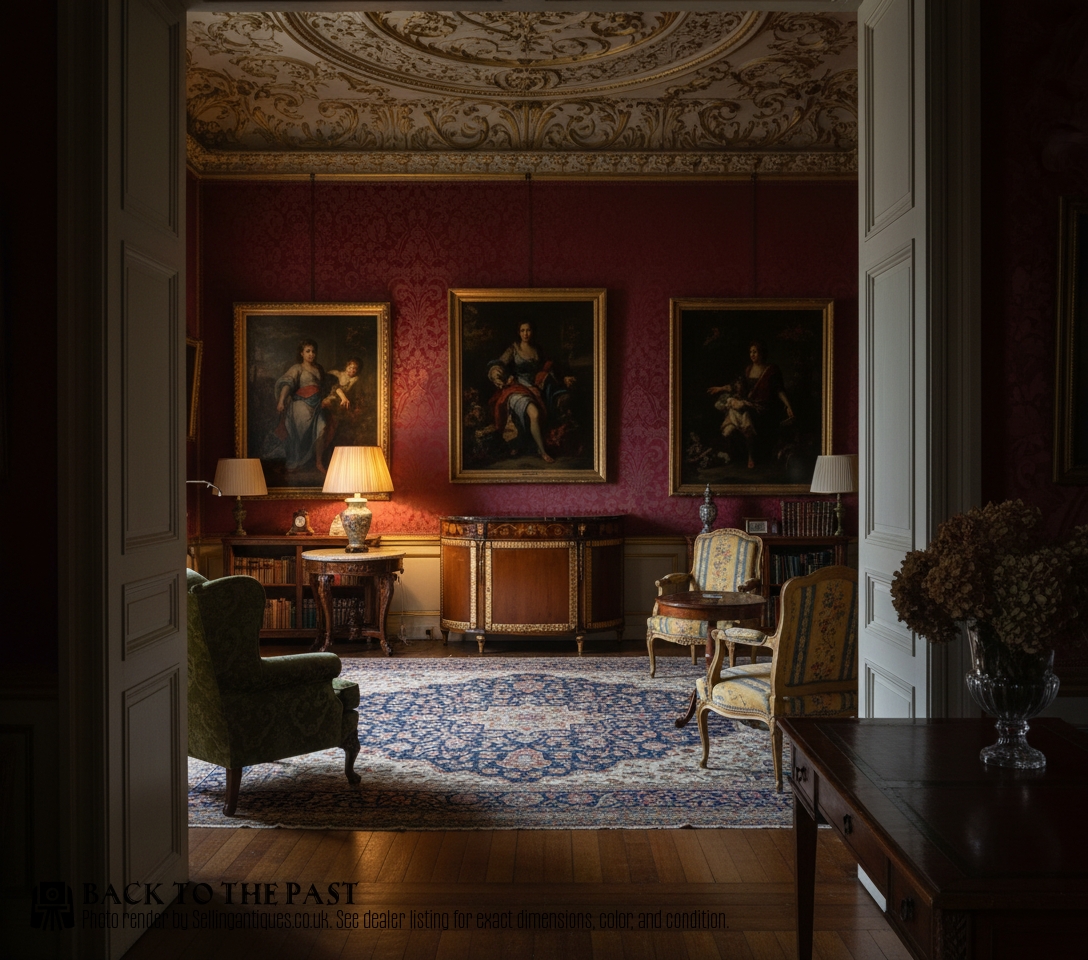
Antique Marquetry Credenza
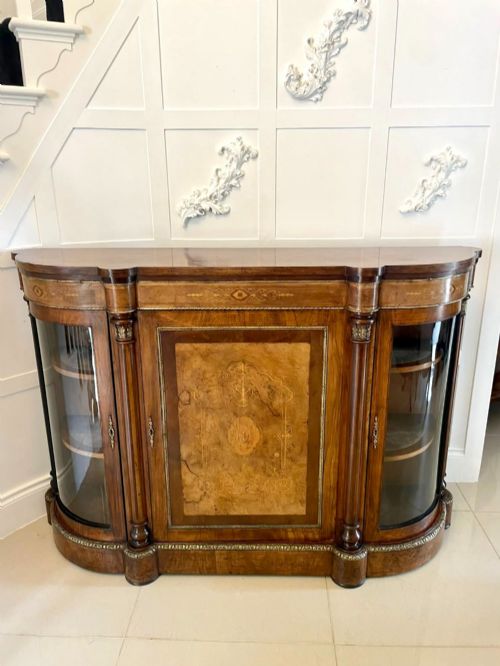
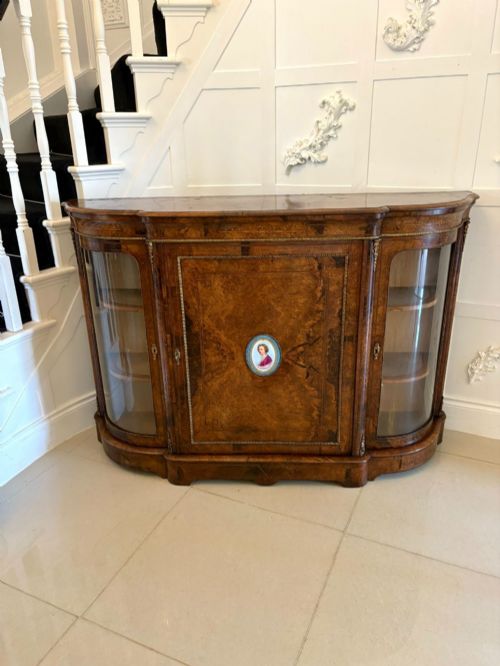
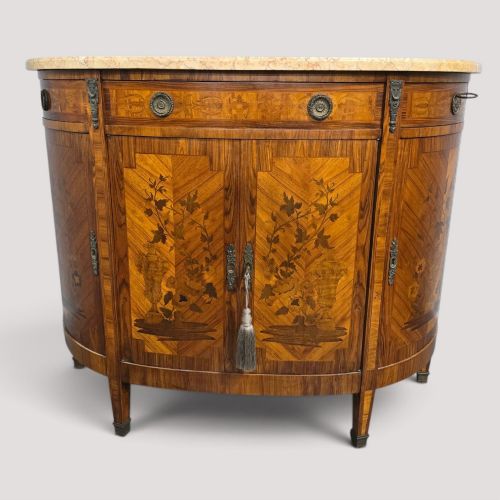
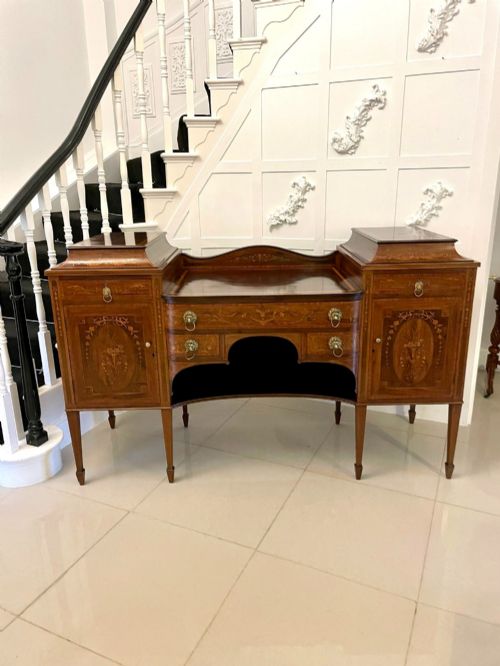
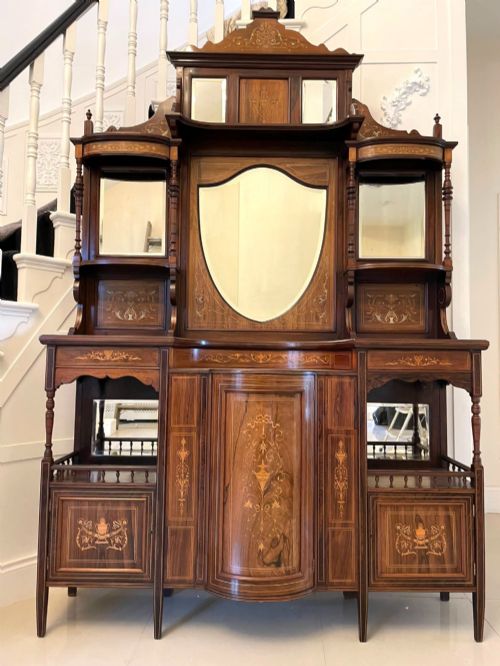
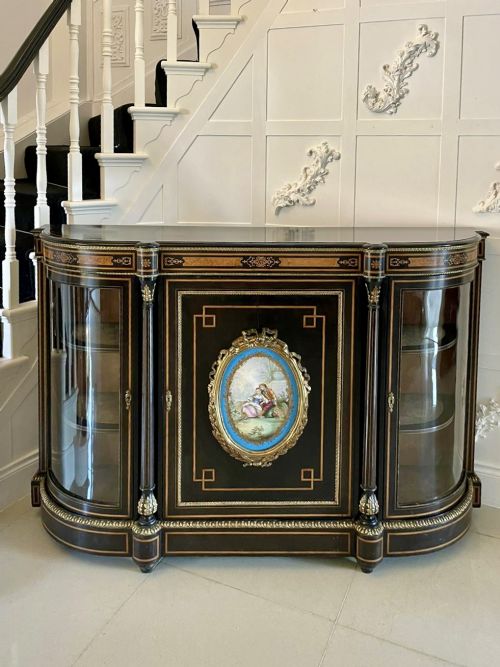
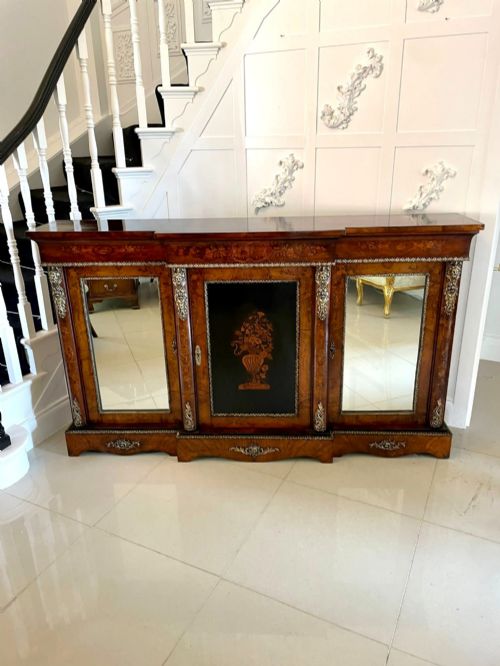
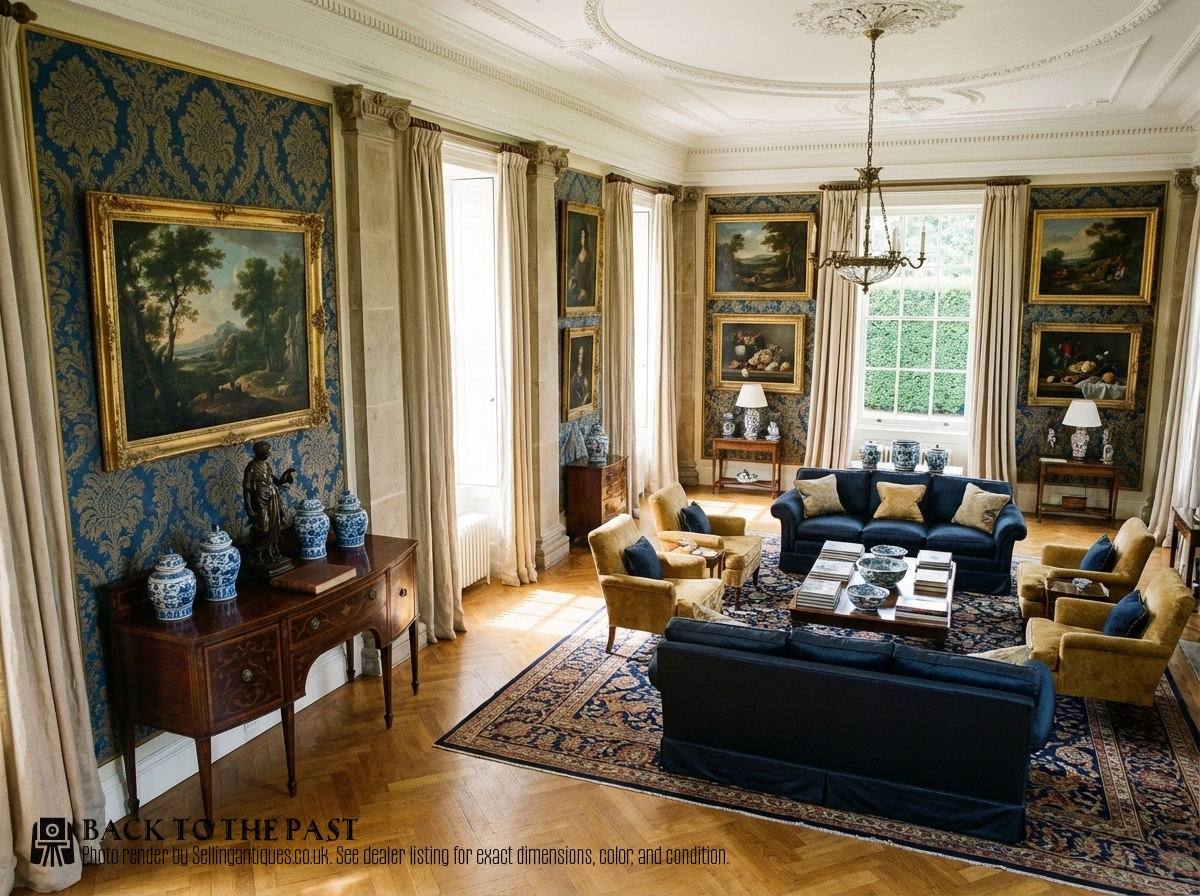
An antique marquetry credenza functions as a low display and storage cabinet, standing prominently along a reception room wall during the Victorian period. These pieces frequently feature curved serpentine fronts, glazed side compartments, and central cupboard doors designed to showcase treasured porcelain and glassware.
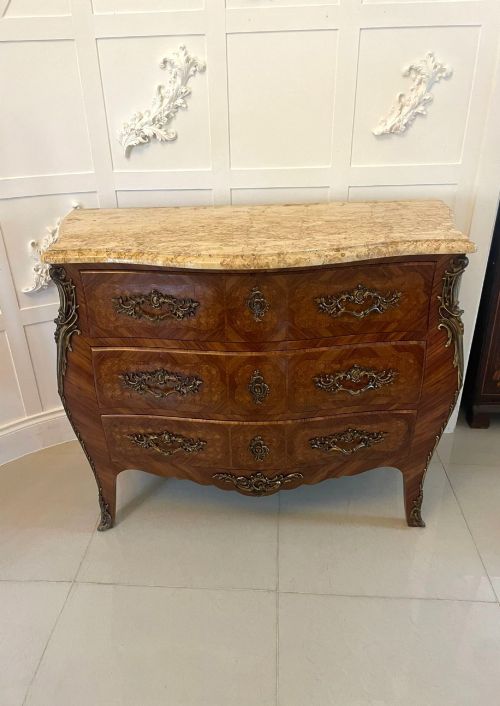
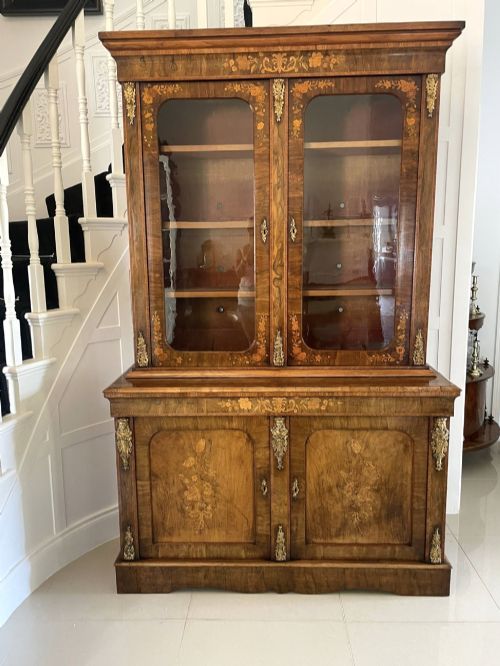
Burr walnut and rosewood form the primary carcases seen across these listings, embellished with floral and geometric marquetry patterns. Buyers will regularly encounter Victorian interpretations alongside French-influenced Louis styles and later Sheraton Revival satinwood iterations.
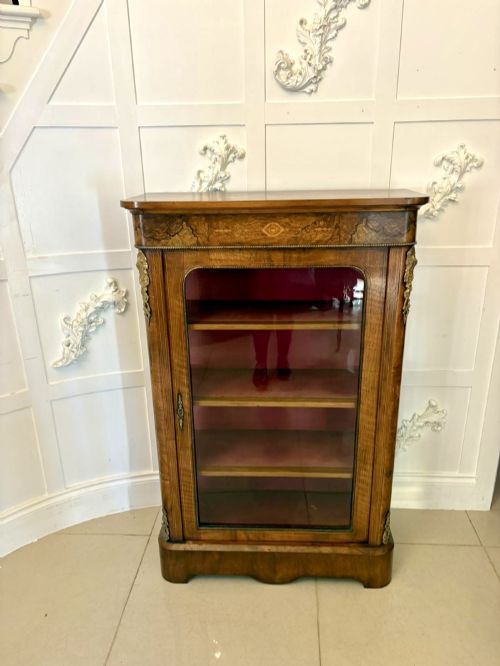
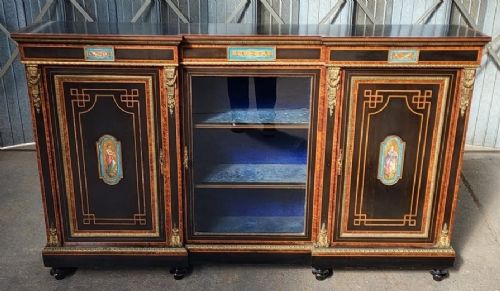
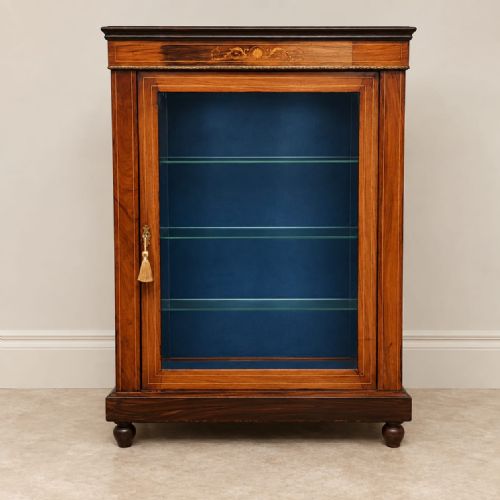
Makers integrated brass or ormolu mounts, porcelain plaques, and marble tops into many of these side cabinets. The resulting forms range from compact pier cabinets to monumental multi-door sideboards suited to expansive architectural spaces.
What distinguishes finer examples
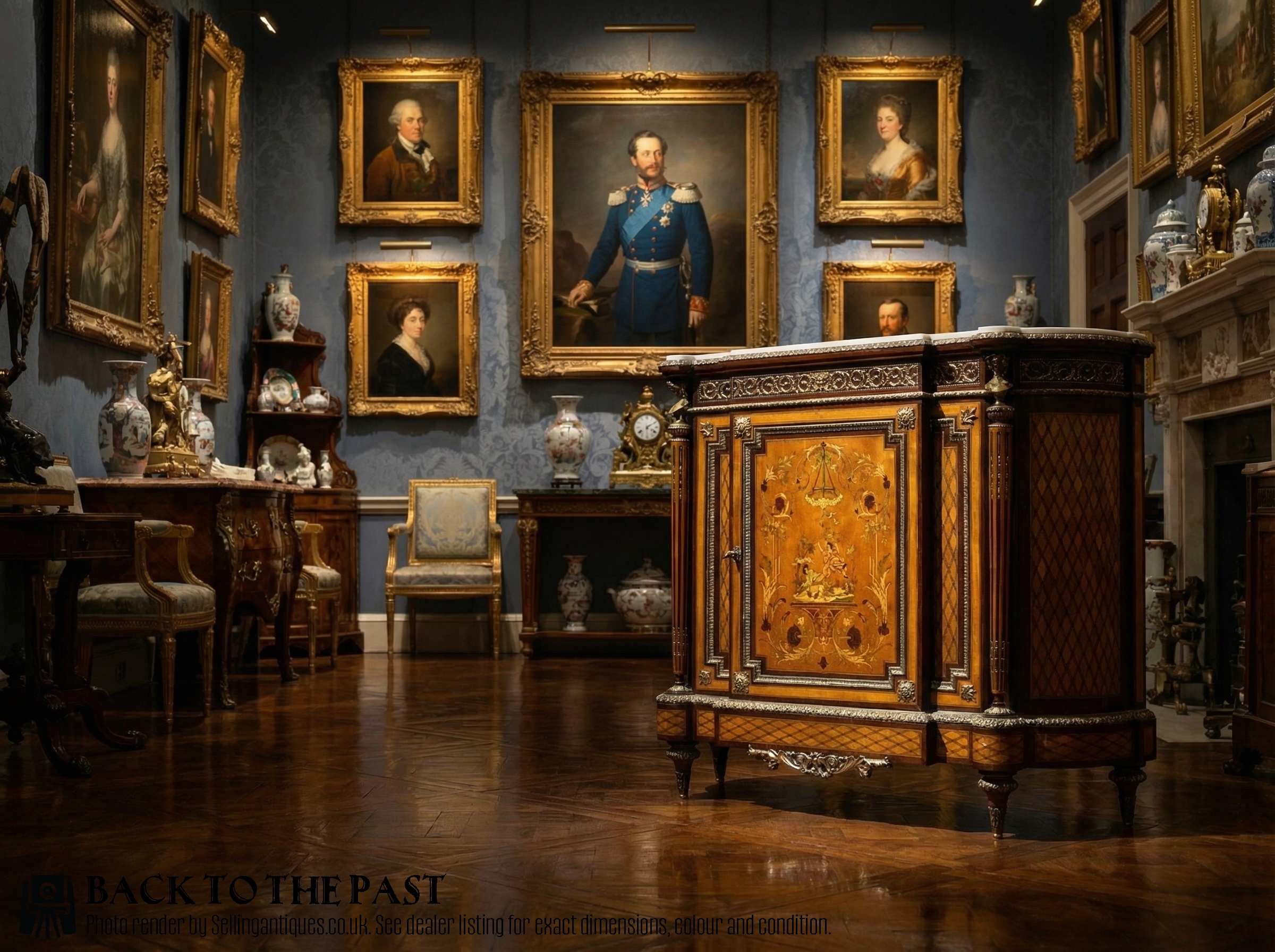
The precision of the marquetry cutting determines the initial tier of quality, where tighter joints between contrasting woods yield sharper botanical details without excessive filler. Superior examples display carefully chosen burr walnut veneers with symmetrical grain patterns across the primary surfaces.
Mounting hardware reveals the maker's hand through the weight and crispness of the ormolu castings framing the doors and plinths. Structural integrity in the serpentine shaping and the original condition of the glass doors further separate standard production items from exceptional cabinetwork.
Antique Marquetry Credenza Retail Price Guide 2026
Typical asking prices for marquetry credenza among the pieces listed under this phrase on Sellingantiques today, from the lower quarter to the upper quarter. They describe what is for sale here now, not the wider market.
Listings feature Victorian burr walnut credenzas alongside French Louis XV revival pieces, incorporating ormolu mounts and marquetry inlay.
Hewetsons London·Collinson and Lock·Gillows·Lamb of Manchester·Edward Holmes Baldock·Maison Gagneau·Edwards and Roberts
The Antique Marquetry Credenza Glossary
- Marquetry
- The art of forming decorative patterns by fitting together thin slices of various coloured woods and veneers. This technique allowed cabinetmakers to create detailed floral and scrollwork designs across cabinet doors.
- Ormolu
- Gilded bronze ornamentation applied to the structural corners, mounts, and feet of nineteenth-century furniture. It provides metallic contrast against dark timbers like rosewood and ebonised wood.
- Burr Walnut
- Wood harvested from walnut tree growths, featuring swirling, highly figured grain patterns. It serves as the primary decorative veneer on numerous Victorian credenzas.
- Pier Cabinet
- A narrow display cabinet built specifically to stand against the wall space between windows. These pieces often incorporate glass doors and velvet-lined interiors for small ornaments.
- Serpentine
- A furniture front characterised by a wavy outline with a convex centre flanked by concave curves. This shape requires advanced woodworking skill to veneer accurately.
Antique Marquetry Credenza: Frequently Asked Questions
What is a credenza?
A credenza is a low nineteenth-century cabinet designed for formal reception rooms, combining enclosed central cupboards with curved glass display sections on either side. These items originally served to display fine ceramics and silver.
Over time, their decorative presence made them popular focal points in grand drawing rooms. Today, they function effectively as sideboards or media consoles in large living spaces.
How do I care for burr walnut?
Burr walnut veneer requires consistent indoor humidity and protection from direct sunlight to prevent the thin wood from drying out and lifting. Regular dusting with a soft, dry cloth preserves the polished surface.
Applying microcrystalline wax occasionally helps nourish the aged finish without building up heavy residues. Avoid placing damp items or heavy stoneware directly on the polished top.
Where were credenzas placed?
Victorian interiors positioned these cabinets flat against prominent walls, often between tall windows or beneath large gilded mirrors. Their low profile ensured they did not block natural light or obstruct portrait paintings.
The finished backs found on certain examples suggest they occasionally stood in more open reception areas. However, wall placement remained the standard arrangement.
How do I identify Victorian marquetry?
Victorian marquetry typically utilises native and exotic hardwoods such as satinwood, boxwood, and walnut assembled into naturalistic floral sprays. The inlay is flush with the surrounding veneer and set into a dark walnut or ebonised carcase.
Examining the underside and interior reveals hand-cut dovetailing and older secondary timbers consistent with mid-nineteenth-century workshop practices. Finer pieces incorporate engraved shading within the wood petals.