




Antique Maritime Seascape
An antique maritime seascape captures the enduring pull of the open water through painted records of coastal shores, bustling harbours, and ships under sail.
Antique Maritime Seascape
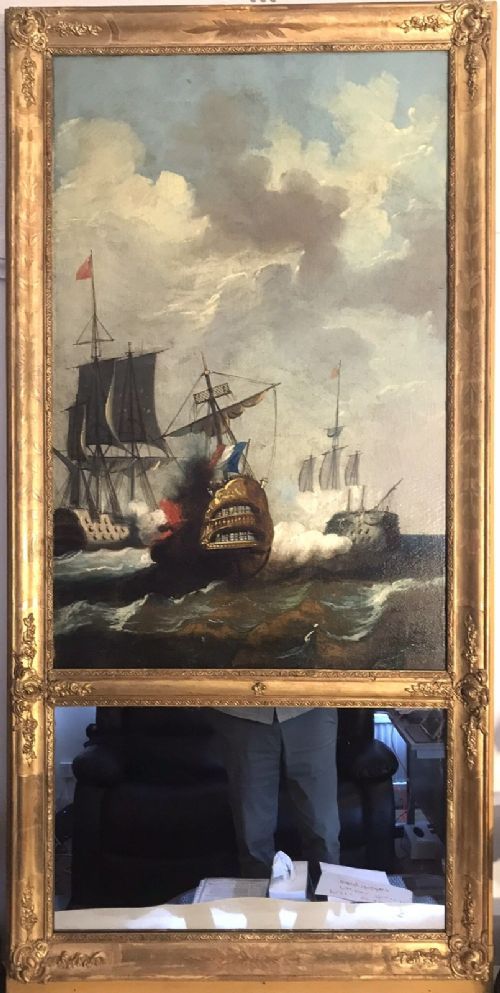
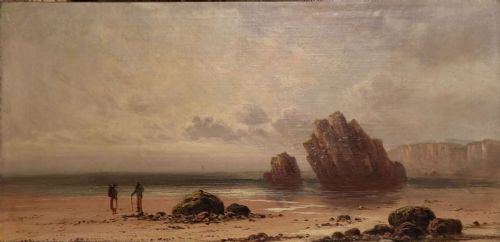
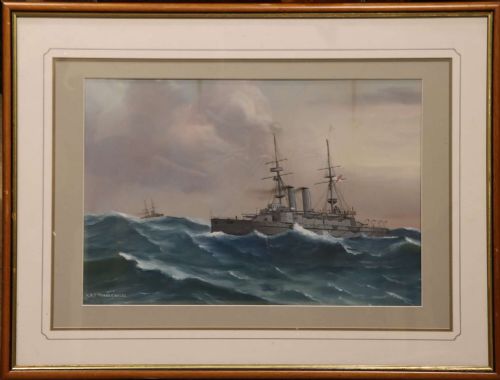
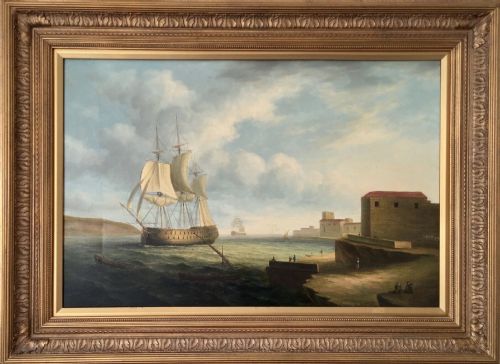
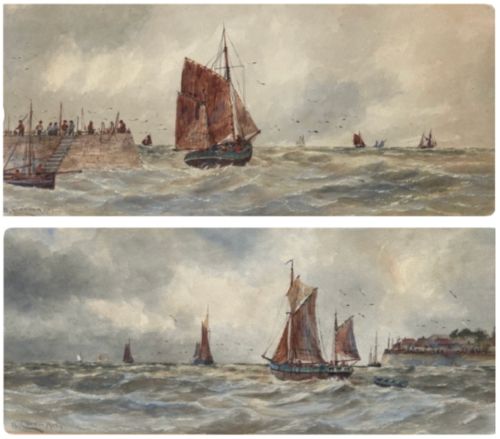
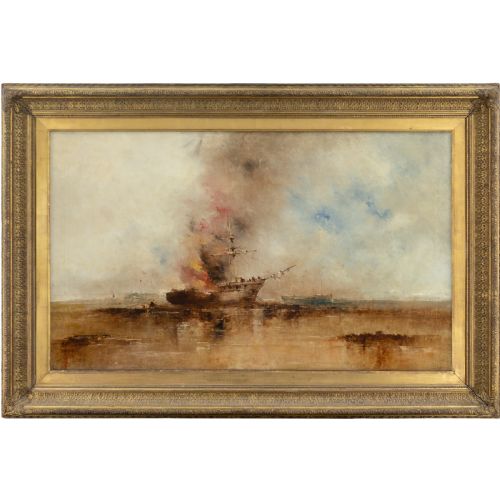
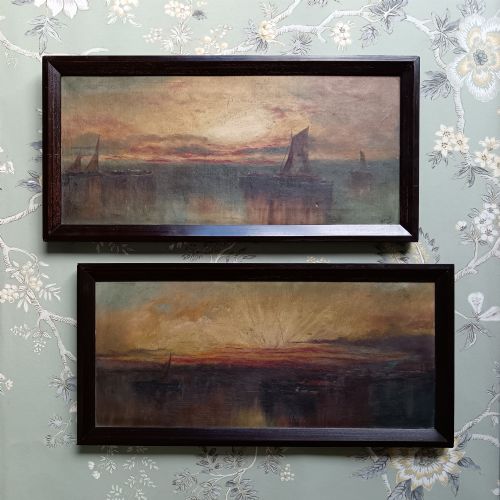
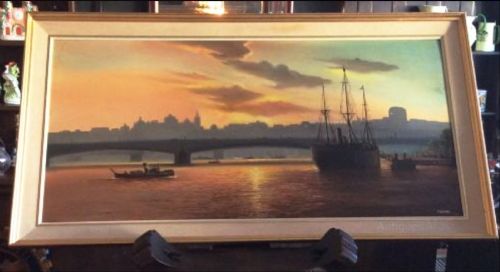
When searching for an antique maritime seascape, a buyer encounters a diverse visual record of coastal life, naval encounters, and merchant shipping spanning several centuries. The pieces on this page are predominantly oil paintings and watercolours executed on canvas, panel, board, or paper, often preserving the specific character of British and European waters.
The most common formats range from detailed depictions of named vessels and naval engagements to atmospheric coastal views of harbours such as St Ives, Brighton, and the Thames at Waterloo Bridge. These works vary from small marine sketches to large panoramic scenes, capturing the shifting moods of the sea from calm anchorages to heavy gales.
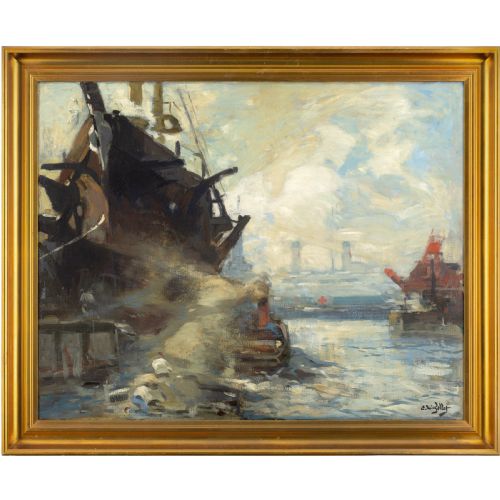
Originating largely from the nineteenth and early twentieth centuries, including the Victorian and Edwardian periods, these works reflect both professional maritime documentation and the broader rise of British impressionism and marine art. Collectors frequently find pieces framed in original gilt wood or simple mounts that complement the nautical subject matter.
How they were made
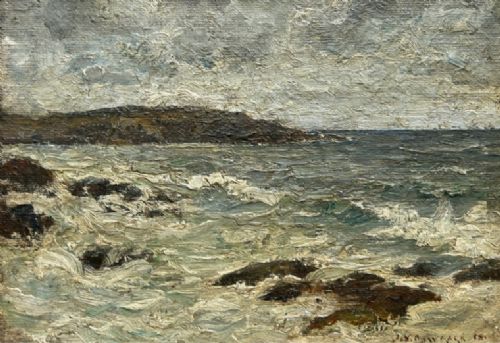
Artists relied primarily on oil paint applied to canvas, panel, or board, as well as watercolour and gouache on paper, to capture the transparency of water and the dense atmosphere of maritime weather. Oil paintings allowed for textured impasto effects to render churning waves and turbulent skies, while watercolours utilised washes on paper for lighter coastal views and luminous harbour scenes.
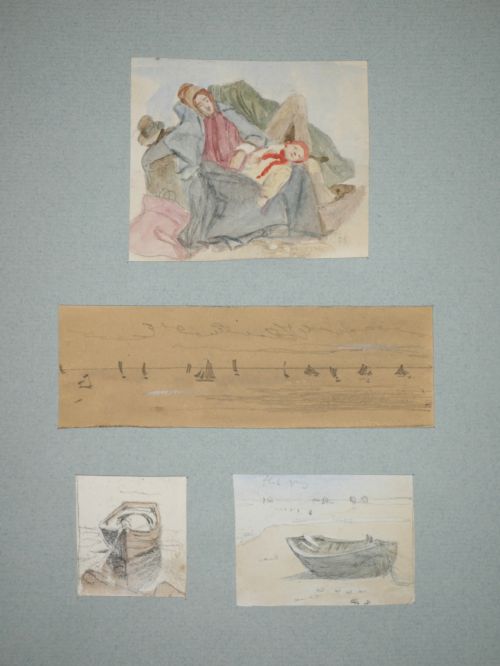
Support materials typically included stretched canvas, wooden panels, and heavy drawing paper, often housed within gilt wood frames or maritime shadow boxes. Painters worked both in studios from preliminary marine sketches and directly on the coast to record transient effects of light, sunrise, and sunset.
Listings feature works spanning the Victorian and Edwardian periods up to the mid-twentieth century, executed in oil, watercolour, and gouache.
What varies in quality
Quality in these works rests upon the artist's command of maritime architecture, spatial perspective, and atmospheric tension, distinguishing hurried sketches from finished salon pieces. Works by documented painters with established exhibition records demonstrate a rigorous understanding of rigging, hull construction, and sea behaviour under varying wind conditions.
The handling of light and pigment density further divides standard topographical records from masterworks, particularly where artists use impasto to give physical weight to rough seas or delicate washes to render quiet tidal flats. Original framing, artist signatures, and contemporary documentation also contribute significantly to the standing of an individual painting.
James Hardy·James Orrock·William Cannon·James Smetham·Eugène-Louis Gillot·William McAlpine·B. Nash·Charles Edward Dixon·William Banks Fortescue·John Rose Miles·James Kay·Frank Watson Wood·William Broome·Bernard Gribble·Thomas William Morley·Bonaventura Peeters·Frank William Scarbrough·F. Corpuz·Francis Moltino·Hector Caffieri·Bernard Benedict Hemy·Thomas Creswick·Willem Bos·Cecil Allan Mould·John Wilson Carmichael
The Antique Maritime Seascape Glossary
- Impasto
- Paint applied thickly to a canvas or board, leaving visible brush strokes that stand out from the surface. This technique is frequently utilised in marine painting to render the churn of white water and heavy seas.
- Gouache
- An opaque watercolour paint made from pigments bound in water-soluble gum, sometimes mixed with white to create solid highlights. Artists used gouache to add sharp details of foam and shipping to paper works.
- Panel
- A flat piece of wood or other rigid material used as a support for oil paintings instead of canvas. Wooden panels provided a stable surface for detailed nineteenth-century harbour scenes.
- Shadow box
- A deep, glass-fronted framed enclosure designed to house three-dimensional objects or layered artworks. In maritime contexts, these frames often protect intricate coastal models or layered works on paper.
- Marine art
- Artistic representation of the sea, ships, beaches, and coastal architecture. This broad genre encompasses historical naval battles, port scenes, and quiet coastal landscapes.
Antique Maritime Seascape: Frequently Asked Questions
What subjects appear in these paintings?
The works depict naval warships, merchant barques, fishing boats, and rescue vessels operating in coastal waters, busy ports, and open seas. Many capture specific locations ranging from British seaside towns to European canals and Venetian lagoons.
Scenes also record historical events, wartime shipping, and dramatic coastal weather from calm anchorages to gale-force winds.
How do I care for an antique oil painting?
Oil paintings on canvas or panel require stable environmental conditions away from direct sunlight, excessive heat, and sudden humidity changes. Keeping the room atmosphere steady prevents the paint layer and wooden supports from warping or cracking.
Dusting should be done gently with a dry, soft brush, avoiding any moisture or chemical cleaning agents on the painted surface.
How should I display watercolours safely?
Watercolour paintings and works on paper are sensitive to ultraviolet light and should be hung out of direct sunlight to prevent fading. Framing behind conservation-grade glass helps protect the pigments from atmospheric pollutants.
Maintaining consistent indoor temperatures also guards the paper support against foxing and moisture damage over time.
How can I tell the period of a frame?
Original gilt wood frames often show period-specific moulding techniques, hand-carved ornamentation, and consistent ageing patterns on the gilding and gesso beneath. Many nineteenth and early twentieth-century frames match the exact dimensions and aesthetic of the canvas they enclose.
Examining the corner joints, backing boards, and old maker stamps can also offer clues regarding the date of the framing.