





Antique Marine Landscape
When you seek an antique marine landscape, you enter a world of painted harbours, coastal stretches and open water captured across centuries.
Antique Marine Landscape
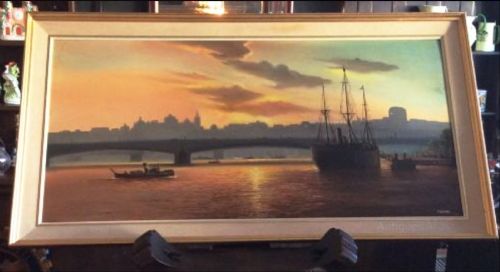
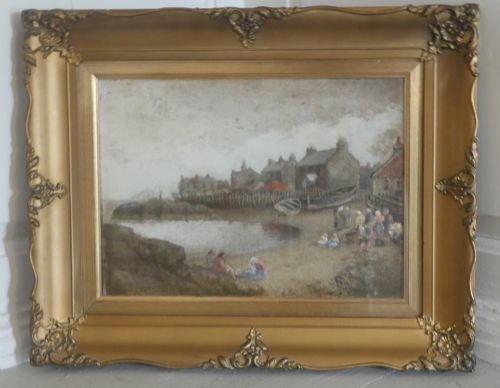
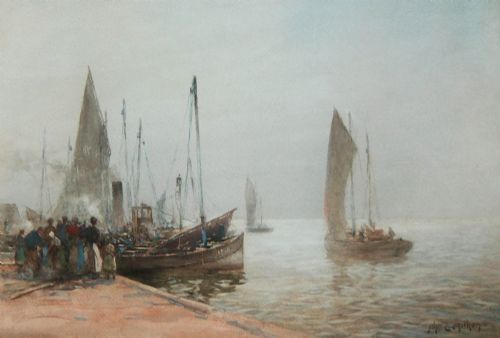
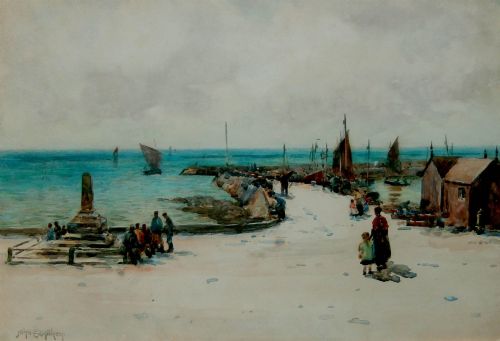
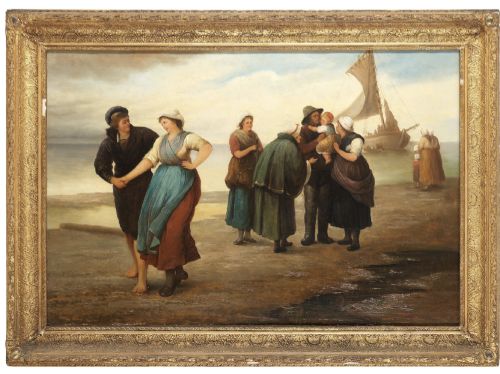
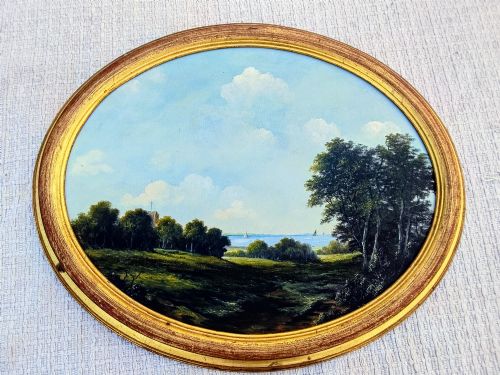
An antique marine landscape captures coastal views, bustling harbours, and open waters across various historic periods. The works range from intimate watercolours of local British fishing villages to large oil paintings of rivers, shipping lanes, and dramatic seascapes.
You will most frequently encounter nineteenth-century and early twentieth-century creations on this page. These pieces often feature specific locations such as Cornish ports, Scottish castles, or London bridges rendered in oil on canvas or delicate watercolour on paper.
The selection encompasses both British impressionist visions and detailed topographical records. Each piece reflects the maritime heritage of its era, preserving coastal scenes and working harbours as artists observed them.
How they were made
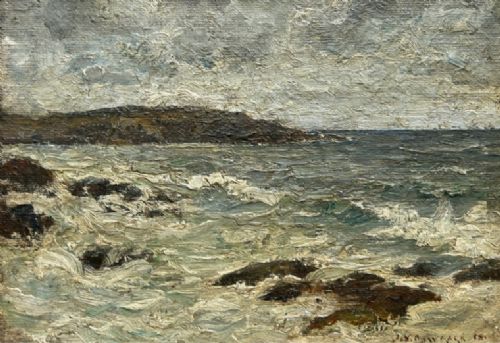
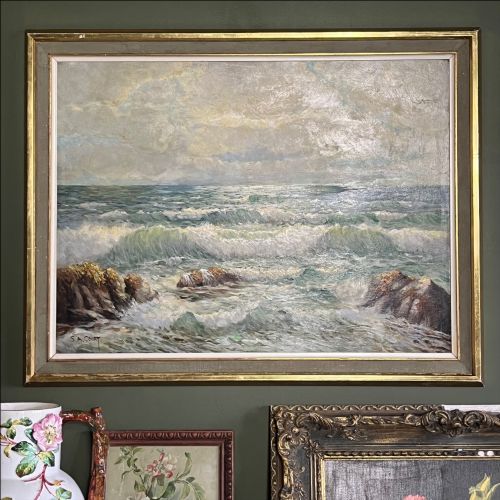
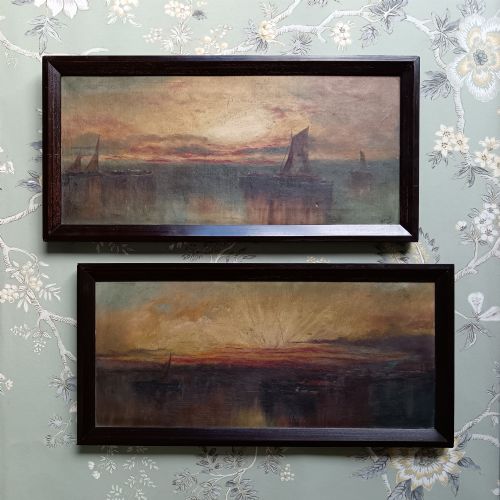
Artists utilised traditional mediums such as oil paint on canvas or board, and watercolours applied to paper. Oil paintings often incorporate heavy impasto textures to render the movement of waves and stormy skies, while watercolours rely on transparent washes for coastal light.
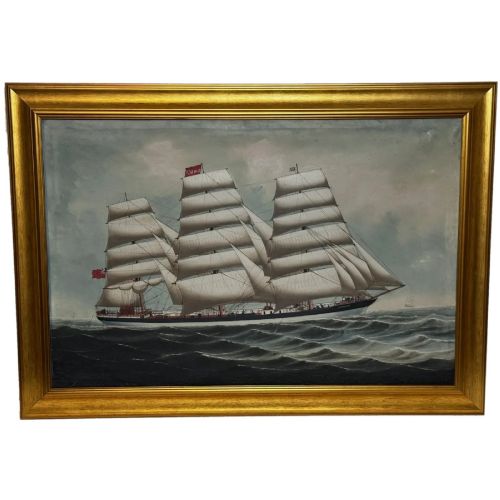
Works are frequently housed in their original gilt wood frames that complement the composition. The physical support ranges from paper sheets to stretched canvas and wooden panels, often bearing the artist's signature or studio attribution.
Antique Marine Landscape Retail Price Guide 2026
Typical asking prices for marine landscape among the pieces listed under this phrase on Sellingantiques today, from the lower quarter to the upper quarter. They describe what is for sale here now, not the wider market.
The listings feature works spanning the nineteenth century through to the 1960s, executed in oil and watercolour.
What varies in quality
The distinction between works lies in the artist's handling of light, atmosphere, and spatial depth. Superior examples capture the specific movement of water and shifting coastal weather with confident brushwork, whereas lesser works remain stiff and formulaic.
Provenance and documentation also separate the examples. Signed pieces attributed to known historical painters command greater attention than unsigned provincial works of the same era.
Reginald Arthur Borstel·B. Nash·Francis Moltino·Bernard Benedict Hemy·Thomas Creswick·Willem Bos·John Wilson Carmichael·John Moore of Ipswich·William Henry Williamson·Robert Leslie Howey·John Holland·George Stanfield Walters·Henry Barlow Carter·William Frederick Settle·Alfred George Morgan
The Antique Marine Landscape Glossary
- Impasto
- Paint applied thickly to a canvas or board, standing out from the surface to create visible texture. This technique is frequently used in marine painting to render churning water or thick clouds.
- Seascape
- A work of art depicting the sea, coastal views, or ships upon the water. It forms the central genre for maritime paintings.
- Topographical
- Representing specific real-world locations accurately rather than composing an imaginary scene. Many period watercolours document actual ports and harbours with topographical precision.
- Gilt wood
- Wood decorated with gold leaf or gold paint, commonly used for period picture frames. These frames enhance the visual weight of nineteenth-century oil paintings.
- Provenance
- The documented history of ownership of a work of art. Strong provenance establishes the authenticity and timeline of a painting.
Antique Marine Landscape: Frequently Asked Questions
What subjects do antique marine landscapes show?
These artworks typically depict coastal shores, busy harbours, fishing boats, and river scenes with bridges. They record specific coastal topography from locations around Britain and Europe.
Many compositions focus on maritime trade, shipping vessels, or quiet seaside moments captured by artists working on location.
How do I care for a watercolour marine painting?
Watercolour paintings on paper require careful protection from direct sunlight to prevent fading. Framing under glass with acid-free mounts preserves the integrity of the paper.
Keep these works in stable environmental conditions away from damp walls and excessive heat fluctuations.
How do I distinguish a Victorian marine painting?
Victorian works often display specific framing styles, typical pigment usage, and period signatures characteristic of the nineteenth century. Subject matter frequently reflects nineteenth-century shipping and coastal life.
Examining the stretcher bars, canvas type, and backing materials can also help verify the period of the piece.
Where were these marine paintings created?
The pieces originate primarily from British and European schools, created by artists who travelled to coastal towns and ports. Locations range from Yorkshire harbours to French coastal villages.
Artists often painted directly on site at places like Whitby, Scarborough, and various riverways.