

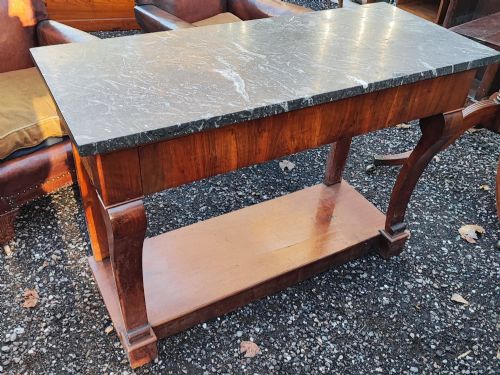
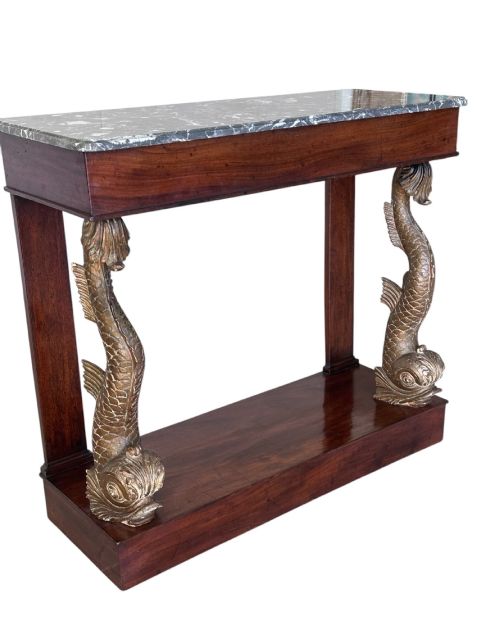
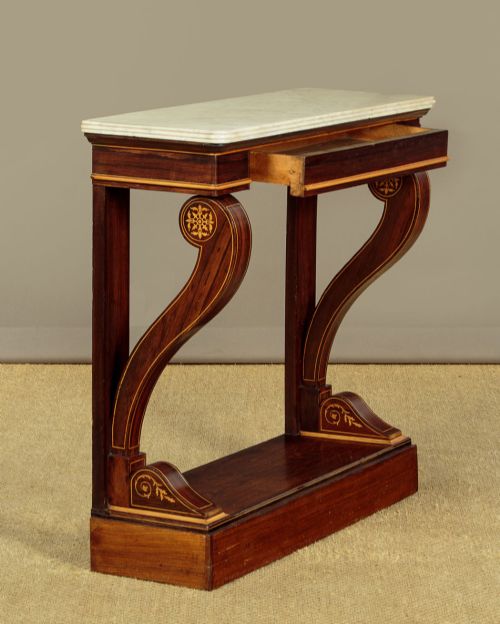
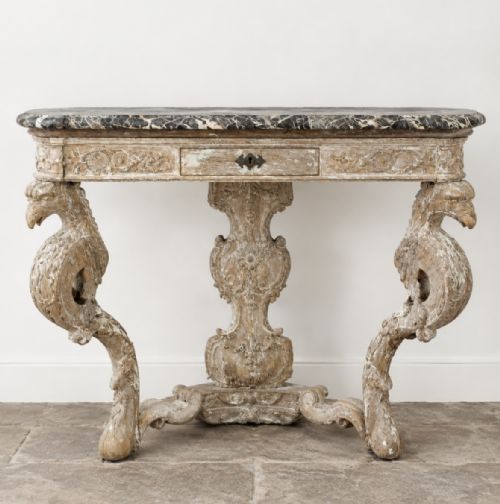

Antique Marble Hallway Table
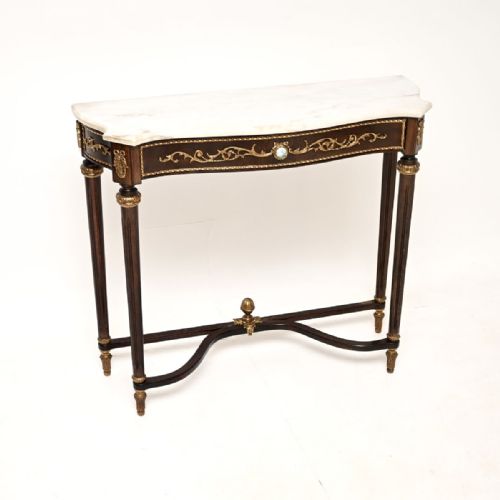
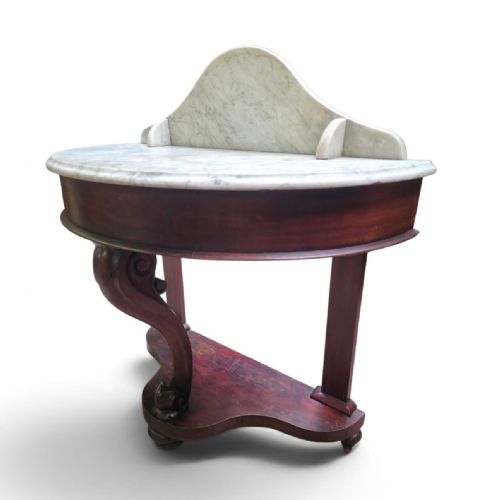
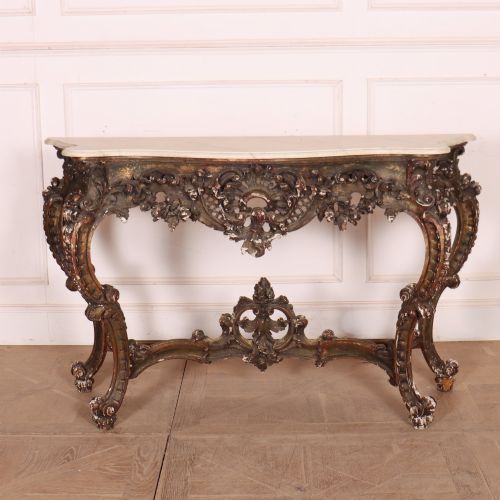
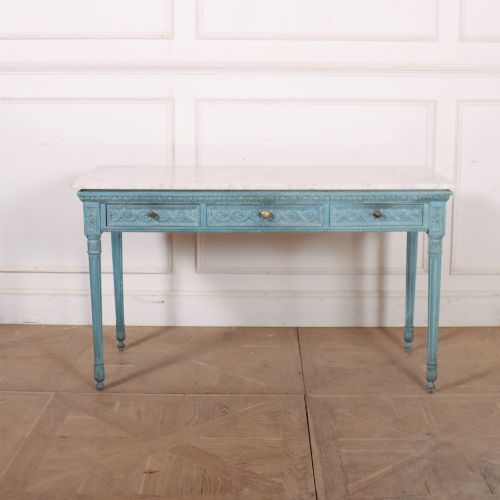
An antique marble hallway table brings solid stone and timber together to anchor an entrance with functional surface space.
Antique Marble Hallway Table
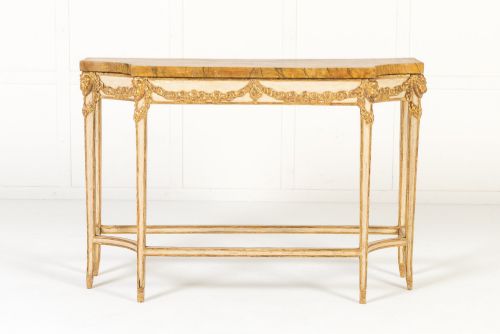
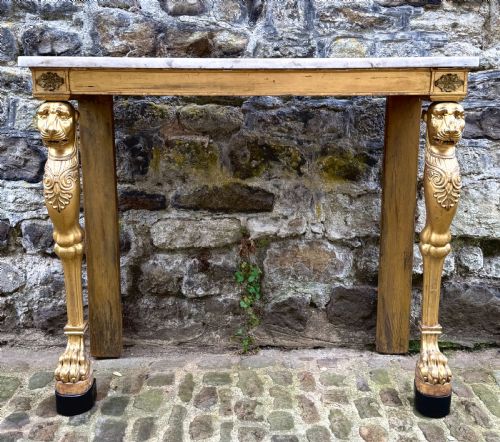
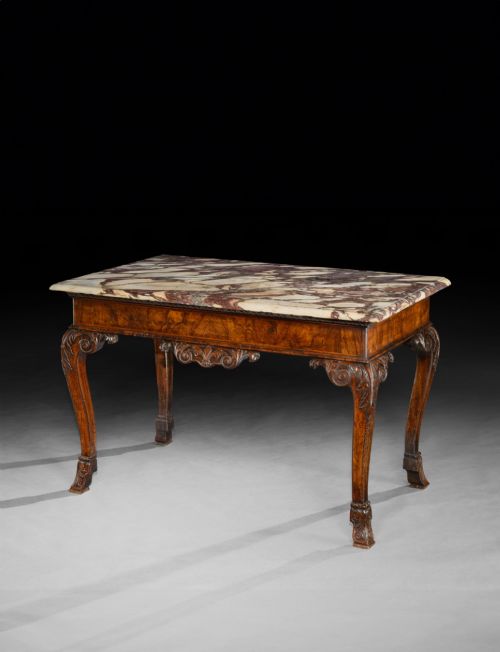
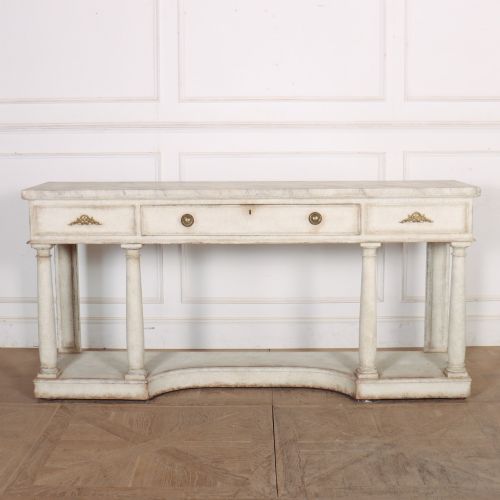
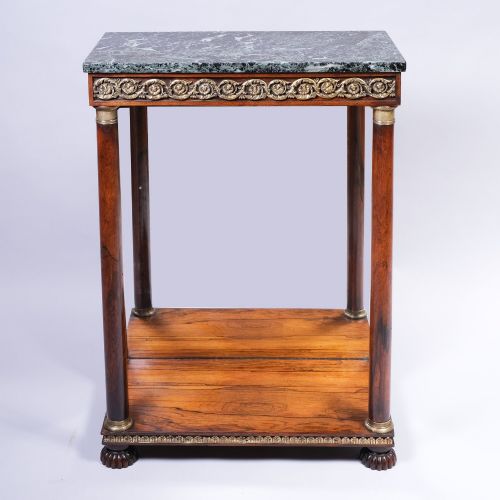
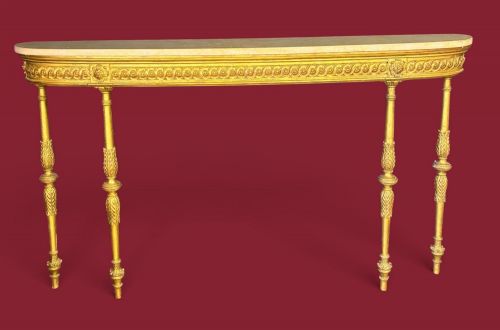
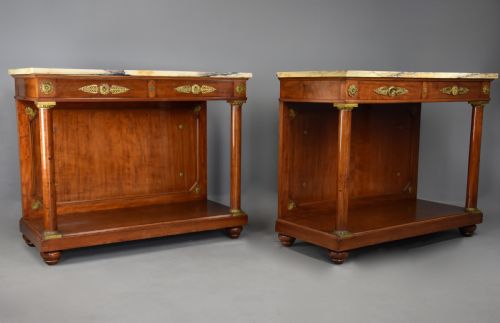
When you search for an antique marble hallway table, you encounter console tables, side tables, and hall stands designed to fit narrow spaces against a wall. These pieces combine fitted stone slabs with wooden frames dating from the eighteenth century through to the early twentieth century.
The version most commonly met on this page is the nineteenth-century French or English console table, often featuring mahogany, walnut, or giltwood supporting a white or coloured marble top. Many of these forms originate from neoclassical, Regency, or Victorian design traditions intended for formal reception rooms and grand entries.
Materials and construction methods
Carpenters and cabinetmakers utilised dense timbers such as mahogany, walnut, oak, and rosewood for structural frames, frequently applying gilding, paint, or gesso to decorative carved surfaces. These wooden bases required solid joinery to support the substantial weight placed upon them by heavy stone slabs.
The stone surfaces consist of quarried marble, sometimes shaped with serpentine fronts or polished flat to reveal natural veining. Workshops mounted these slabs directly onto the timber rails, occasionally pairing the tables with matching pier mirrors or trumeau frames.
Antique Marble Hallway Table Retail Price Guide 2026
Typical asking prices for marble hallway table among the pieces listed under this phrase on Sellingantiques today, from the lower quarter to the upper quarter. They describe what is for sale here now, not the wider market.
Listings span from the 18th century to the early 20th century, incorporating Victorian, Regency, and French Empire stylistic influences.
Distinctions in construction and finish
Quality rests upon the crispness of the timber carving and the integrity of the original gilt or painted finishes rather than superficial brightness. Hand-carved giltwood and meticulously matched mahogany veneers distinguish finer pieces from simpler pine or revival alternatives.
The selection of the marble top also dictates standard, with thick, well-figured slabs securely fitted to the frame demonstrating superior craftsmanship. Alterations to the stone or timber components shift a piece away from original condition.
Krieger Paris
The Antique Marble Hallway Table Glossary
- Console table
- A table designed to stand against a wall, traditionally secured to the structure with brackets or supported by front legs. These forms suit narrow passageways and entrance halls.
- Pier table
- A low table built specifically to stand against the wall beneath a pier glass or mirror. They share close similarities in form with standard console tables.
- Serpentine
- A curved line that undulates outward at the centre and inward at the sides. This contour appears frequently on eighteenth and nineteenth-century furniture fronts.
- Ormolu
- Gilded bronze mounted onto furniture as decorative ornamentation. The technique involves applying a gold amalgam to cast bronze.
- Trumeau
- A decorative wall mirror or panel placed between windows or above a fireplace and console. The style originates from eighteenth-century French interior design.
Antique Marble Hallway Table: Frequently Asked Questions
How are antique marble hallway tables cleaned?
Dust timber frames gently with a dry cloth and avoid harsh chemical polishes on aged surfaces.
Wash marble tops simply with warm water and a mild, neutral soap, drying them thoroughly immediately afterwards.
Did these tables always come with mirrors?
Many nineteenth-century console tables were paired with matching pier mirrors or wall glasses to create a unified entrance scheme.
Others functioned entirely independently as standalone side tables or hall stands without attached backing.
How do I identify a Victorian piece?
Victorian examples frequently utilise dense mahogany or walnut, sometimes incorporating heavier proportions and robust architectural carving.
Look for nineteenth-century construction hallmarks, secondary timbers, and characteristic nineteenth-century patination on the wood.
Can these tables support heavy items?
The structural strength depends primarily on the rigidity of the wooden frame and the stability of the leg joints.
While the stone tops easily bear everyday decorative objects, avoid placing excessive physical weight on unsupported centre points.