
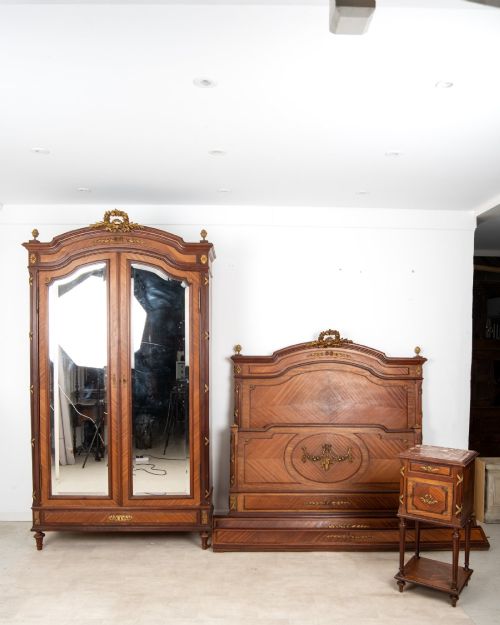
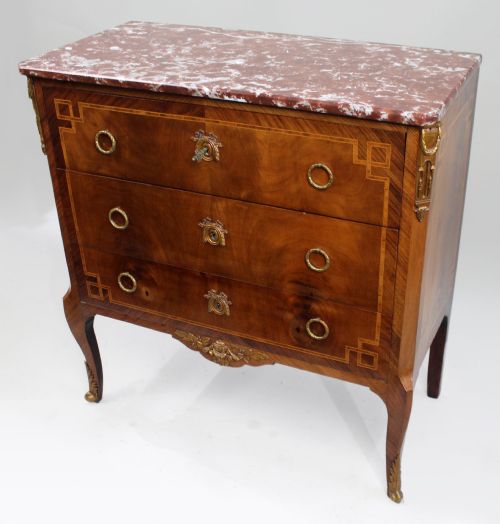
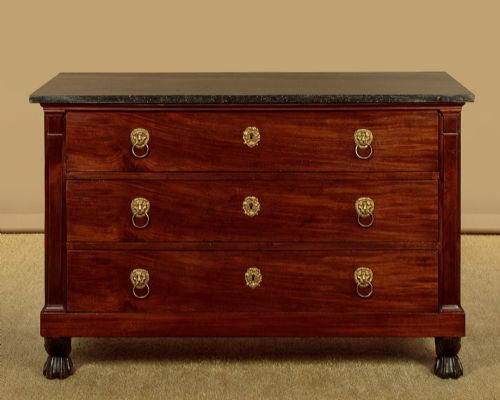
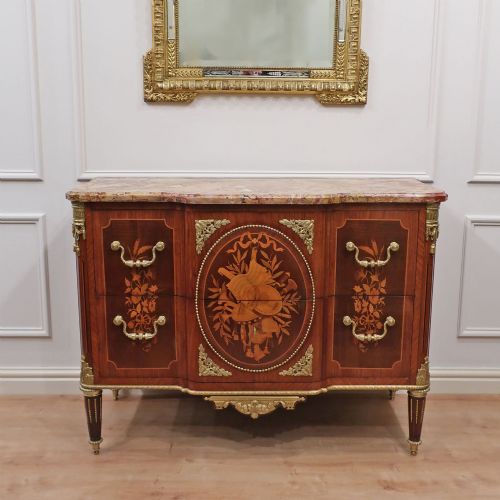
Antique Marble Furniture
Antique marble furniture brings together cool stone and rich timbers, offering robust utility and grand continental style.
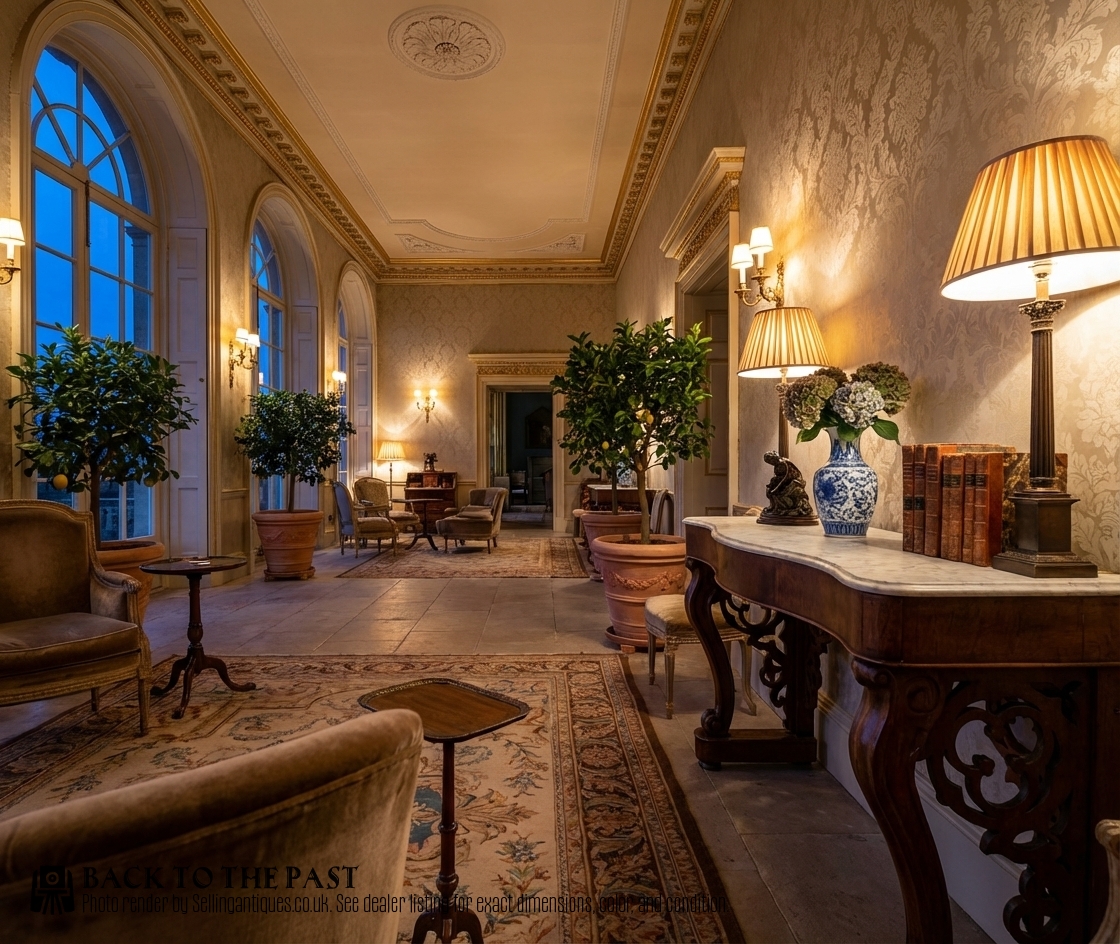
Antique Marble Furniture
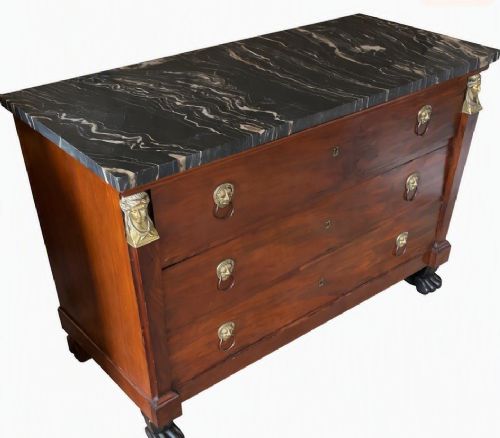
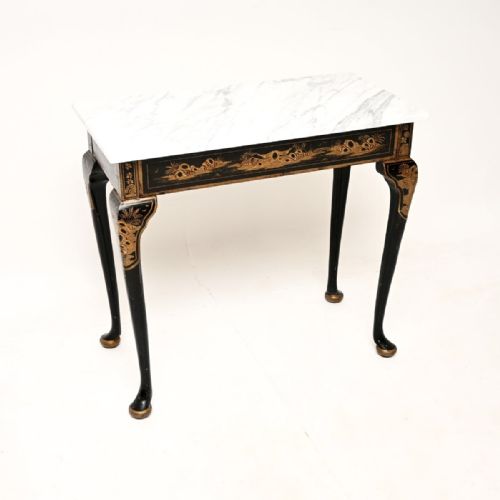
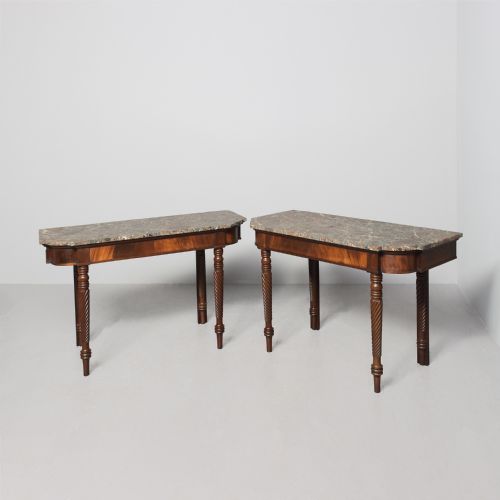
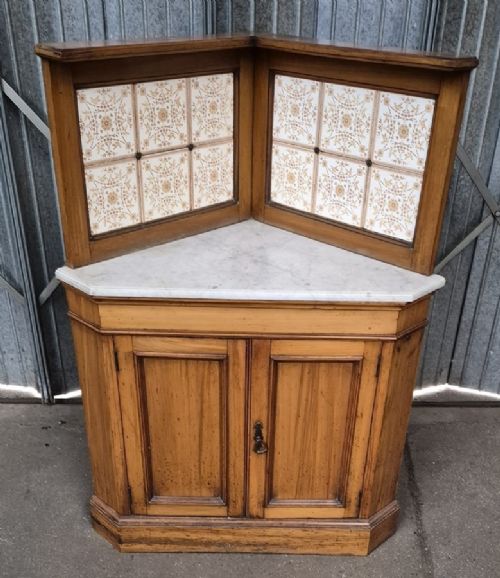
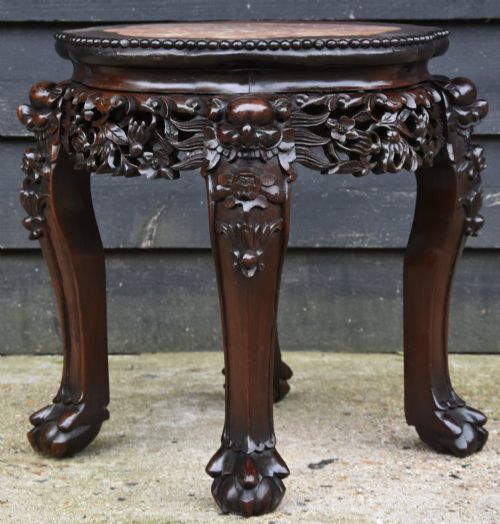
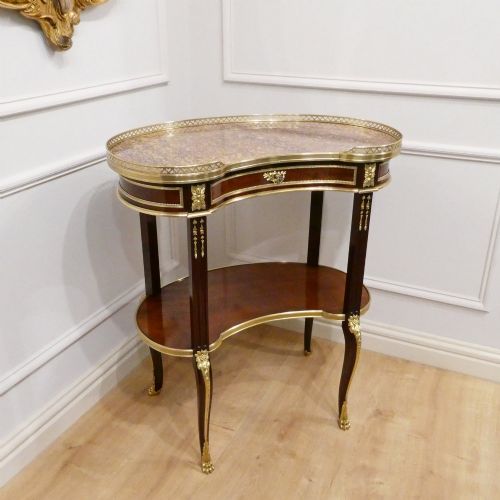
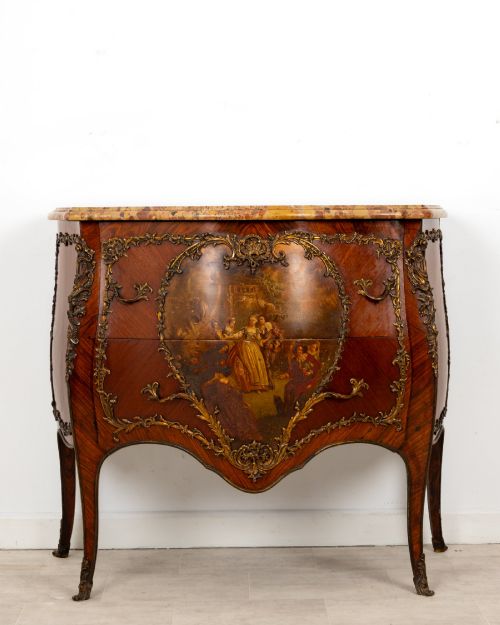
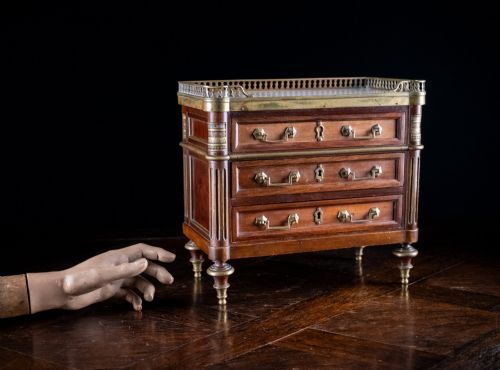
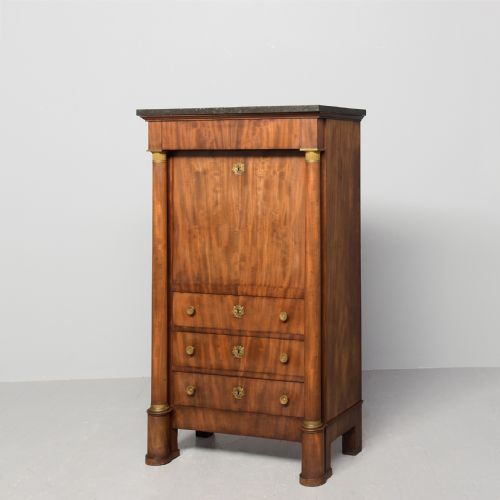
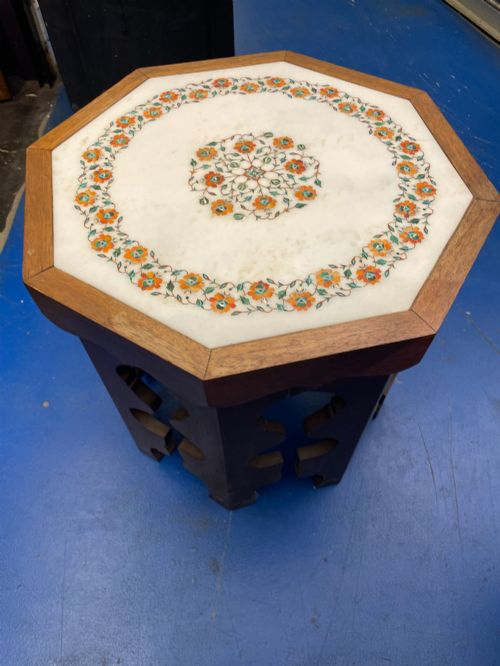
Antique marble furniture primarily encompasses console tables, commodes, chests of drawers, washstands, and side tables designed for domestic utility and display. These pieces frequently emerge from nineteenth-century French, Italian, and British workshops, often reflecting classical revivals.
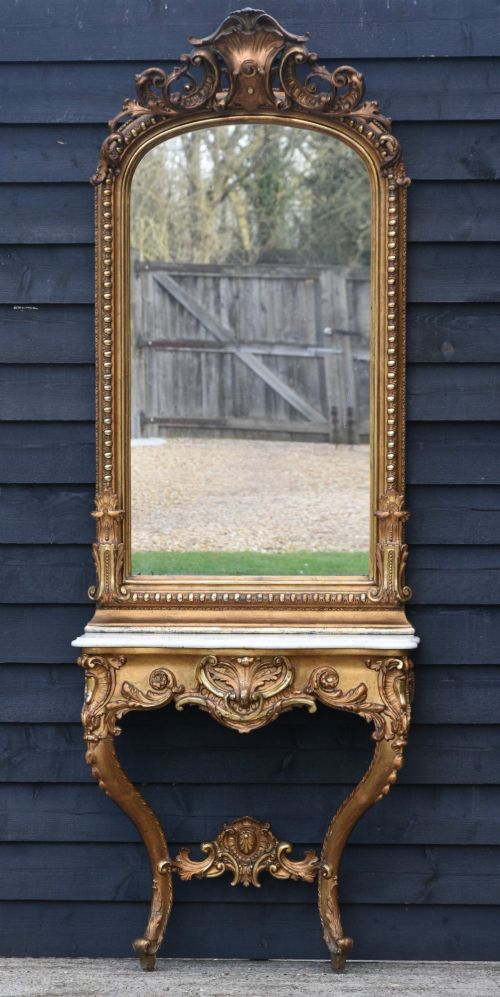
Buyers regularly encounter console tables and commodes fitted with heavy stone slabs, alongside washstands and cabinets featuring timber frames in mahogany, walnut, kingwood, or giltwood. Italian giltwood consoles and French commodes dominate the selection.
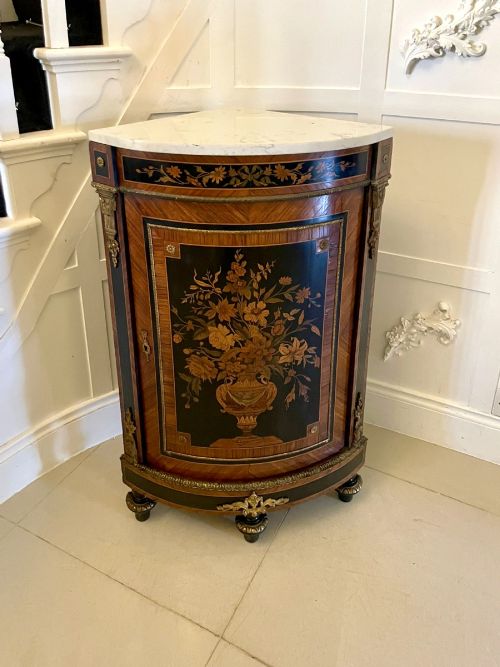
The aesthetic ranges from restrained Regency and William IV frameworks to elaborate Louis XV and Louis XVI revival pieces adorned with marquetry and ormolu mounts.
Materials and Technique
Makers combined solid timbers andveneers - such as mahogany, walnut, rosewood, and kingwood - with heavy carved stone tops, securing them to robust structural carcasses. Giltwood and painted pine frames also received shaped marble slabs tailored to each carcass profile.
Bronze, brass, and ormolu mounts were cast and chased to embellish corners and friezes, while marquetry and parquetry added intricate geometric or floral patterns to drawer fronts and side panels.
Craftsmanship and Proportion
Quality rests upon the crispness of timber carving, the precision of marquetry inlay, and the weight and figure of the marble top itself. Superior pieces display finely chased ormolu mounts and seamless joinery in the underlying carcass.
The visual harmony between the heavy stone slab and the supporting woodwork dictates the success of a piece, separating standard utility furniture from important decorative commissions.
Maison Millet·Henry Dasson
The Antique Marble Furniture Glossary
- Commode
- A low chest of drawers or cabinet, frequently fitted with a marble top and popular in French interior design. They often feature curved bombes shapes and gilt-bronze mounts.
- Console Table
- A wall-mounted or freestanding table supported by decorative brackets or legs, typically topped with shaped marble. Eighteenth-century Italian examples frequently utilise carved giltwood.
- Ormolu
- Gilt-bronze decorative mounts applied to furniture. The technique involves gilding a finely chased bronze base with powdered gold amalgam.
- Marquetry
- The art of applying thin decorative veneers in wood and other materials to form geometric patterns or pictorial scenes. It requires considerable skill to align the grain and colour.
- Breche d'Alep
- A distinctive figured marble featuring brecciated fragments in varied tones. It appears frequently on eighteenth and nineteenth-century French console tables.
Antique Marble Furniture: Frequently Asked Questions
What is antique marble furniture?
Antique marble furniture consists of tables, cabinets, commodes, and washstands featuring stone slabs integrated into timber frames. These pieces date primarily from the eighteenth and nineteenth centuries.
Craftsmen across Britain, France, and Italy built these items to provide durable, heat-resistant surfaces for grand drawing rooms, bedrooms, and halls.
How do I care for antique marble?
Marble requires gentle cleaning with a damp cloth and mild soap, avoiding acidic substances that can etch the polished surface. Regular dusting helps protect the porous stone.
Lifting the stone slab during relocation prevents undue stress on the antique timber frame underneath.
Are marble tops original to the furniture?
Most marble tops are original to their bases, fitted specifically to the contours of the timber carcass during production. Matching the weight, thickness, and edge profile helps confirm originality.
Replacements do occur due to accidental breakage over centuries of domestic use.
How do I identify French revival styles?
French revival pieces incorporate classical motifs like fluted legs, gilt-bronze mounts, and marquetry inspired by Louis XV and Louis XVI designs. Nineteenth-century makers frequently referenced these earlier court styles.
Examining the secondary timbers inside drawers helps distinguish nineteenth-century revival work from eighteenth-century originals.