


Antique Marble Commode Dresser
An antique marble commode dresser combines heavy stone surfaces with capacious timber storage, bringing continental elegance and practical heft to a bedroom.
Antique Marble Commode Dresser
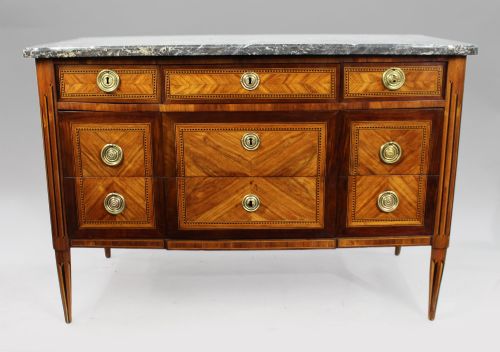
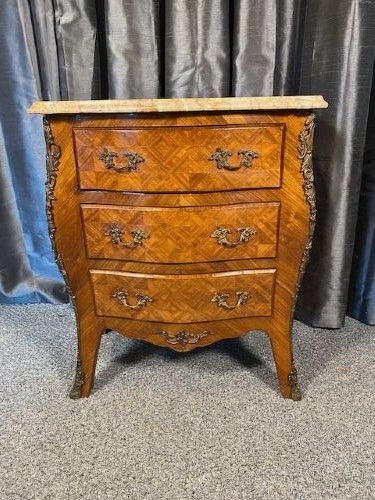
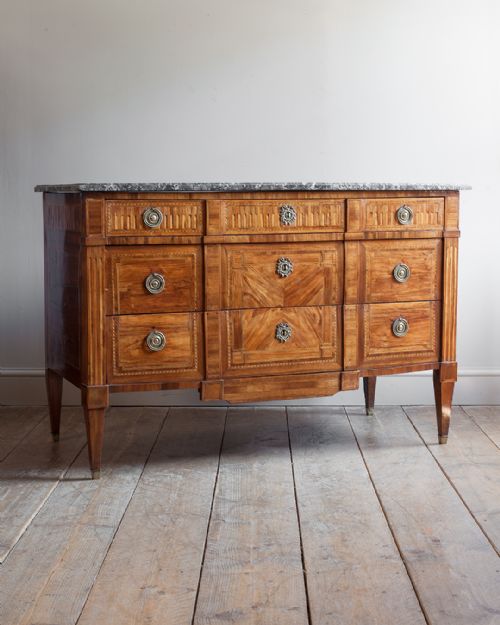
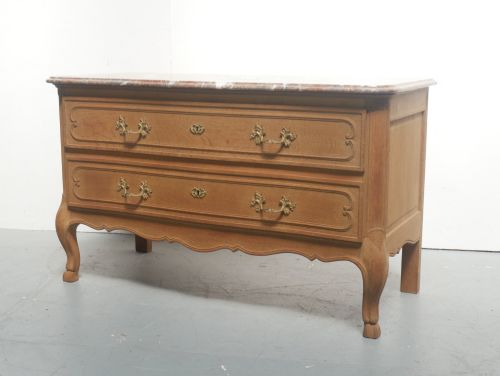
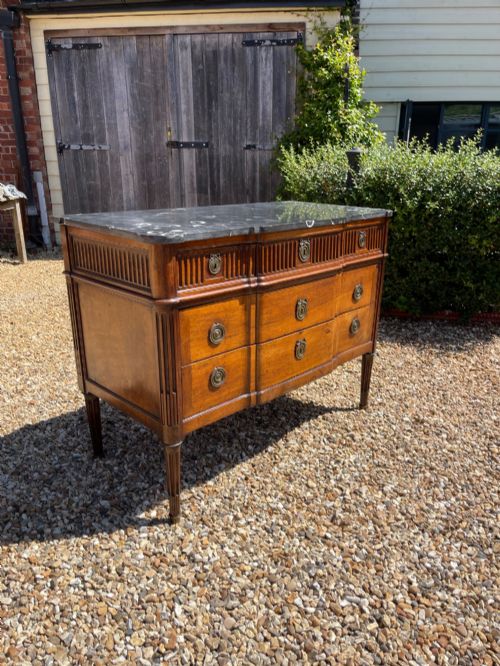
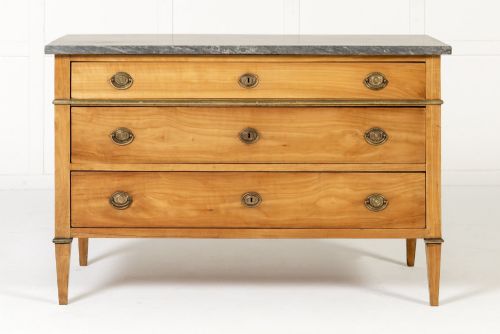
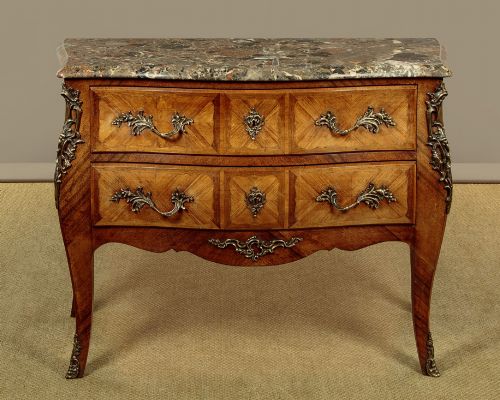
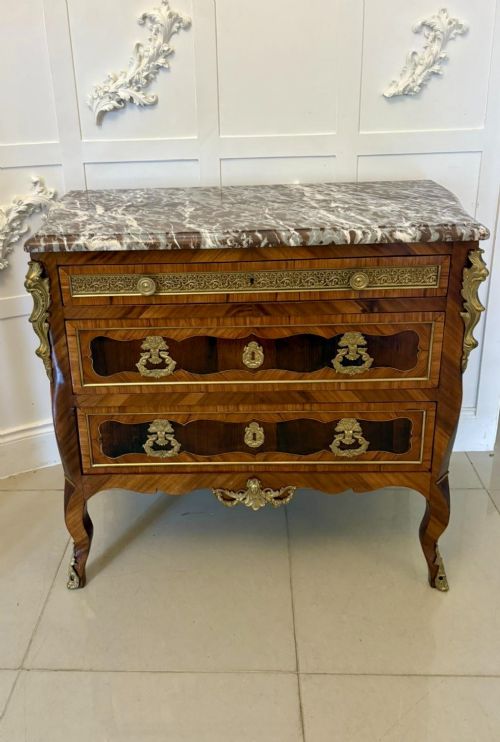
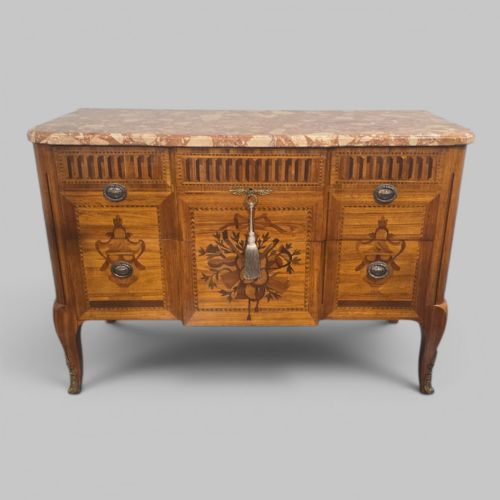
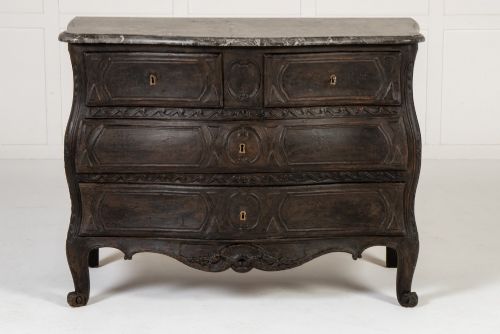
An antique marble commode dresser functions as a low chest of drawers topped with polished stone, appearing most frequently in French provincial and courtly designs. Buyers encounter eighteenth-century walnut and cherrywood iterations alongside nineteenth-century revival pieces featuring serpentine or bombé silhouettes.
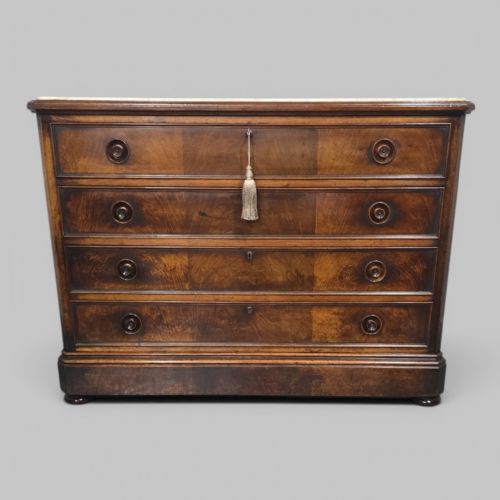
The form spans centuries of continental cabinetmaking, taking shape as substantial oak washstands, inlaid satinwood units, and mahogany chests with integrated grey or white marble slabs. These furniture items serve as focal storage units in bedrooms and living spaces, anchoring interiors with dense cabinet timbers.
Materials and construction methods
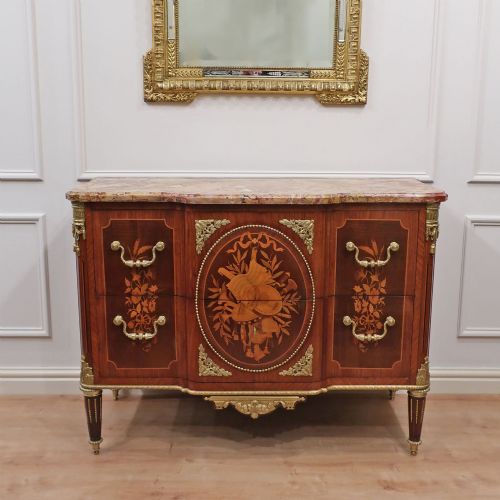
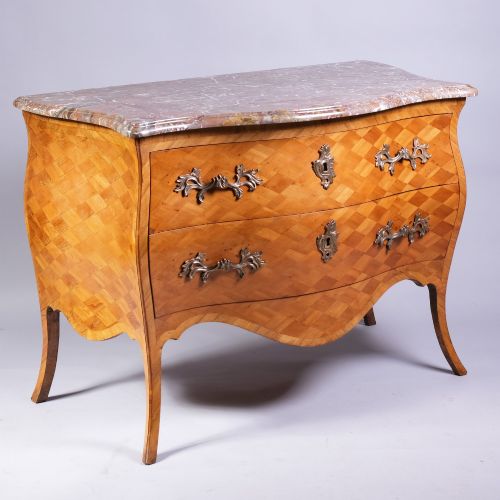
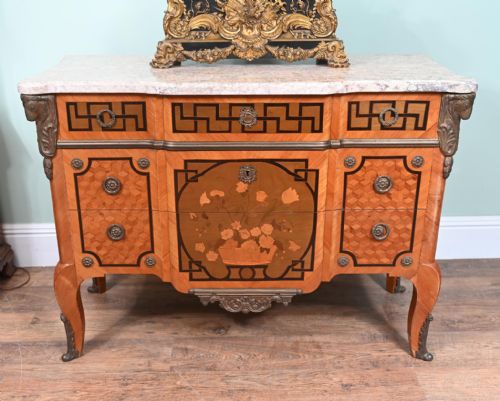
Cabinetmakers constructed carcass frames from solid oak, walnut, and mahogany, applying decorative veneers of kingwood, tulipwood, and rosewood in geometric parquetry or floral marquetry patterns. Drawer fronts often follow complex curved lines requiring precise timber bending and hand-fitting.
Slabs of heavy marble sit atop the wooden frames, shaped with bevelled edges or serpentine profiles to match the carcass contours. Cast brass and ormolu mounts punctuate the corners and drawer pulls, secured alongside bronze hardware to protect vulnerable edges.
One signed nineteenth-century mahogany commode bears the stamp Mon Krieger.
Assessing craftsmanship and execution
The crispness of the cast brass or ormolu mounts separates standard production from exceptional artistry, as does the thickness and figuring of the natural marble slab. Original stone surfaces that fit the wooden carcass precisely indicate superior workshop execution.
Mon Krieger
The Antique Marble Commode Dresser Glossary
- Bombe
- A bulging or swelling convex shape characteristic of mid-eighteenth-century case furniture. This curved silhouette requires advanced woodworking skill to ensure the drawers operate smoothly within the bowed frame.
- Ormolu
- Gilded bronze mounts applied to furniture edges and handles. This decorative metalwork enhances the visual rhythm of the wooden surfaces.
- Marquetry
- Inlaid wood veneers forming pictorial designs or patterns. Craftsmen cut contrasting timber veneers to create detailed floral or geometric motifs across the drawer fronts.
- Parquetry
- Geometric wood inlay patterns resembling mosaics. Artisans arrange small blocks of timber like walnut and kingwood to form repeating angular designs.
- Serpentine
- A wave-like curved front profile featuring a convex centre flanked by concave sides. This contour adds movement and depth to heavy timber chests.
Antique Marble Commode Dresser: Frequently Asked Questions
How do I care for the marble top?
Wipe the stone surface using a damp cloth and mild soap, avoiding acidic cleaning liquids that etch polished calcium surfaces. Apply a specialist stone sealer periodically to protect against moisture absorption and staining.
Place protective felt pads beneath heavy decorative objects to prevent scratching the polished stone edge. Natural marble tolerates normal household use well when kept clean and dry.
What is the difference between a commode and a chest of drawers?
The terms describe similar low storage furniture, though commode typically denotes continental European forms with decorative mounts and shaped fronts. English furniture traditions often favour the standard chest designation.
Both pieces provide deep drawer storage for clothing and linens while offering a flat surface above for display purposes.
How do I distinguish Louis XV from Louis XVI styles?
Louis XV pieces embrace sweeping curves, bombé profiles, and asymmetrical rococo mounts. The overall silhouette feels fluid and organic.
Louis XVI furniture introduces strict neoclassical symmetry, straight fluted legs, and restrained parquetry panels. The design language shifts from flowing curves to linear geometry.
Were the marble tops always attached?
Marble slabs rest securely on top of the wooden carcasses by gravity and their own substantial weight. Cabinetmakers rarely fixed the stone permanently to allow for safe transport.
This loose-fitting design permitted easier movement of heavy furniture up staircases during past centuries.