

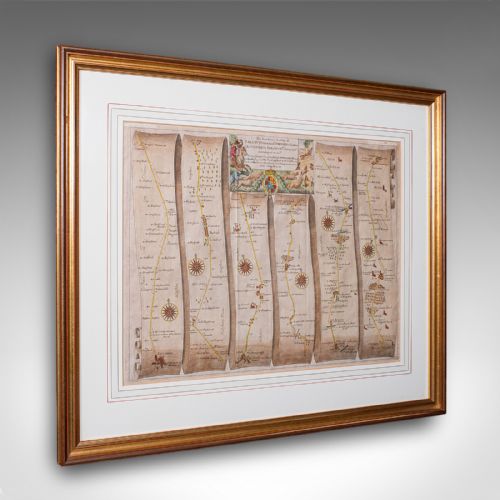


Antique Map Engraving
An antique map engraving brings centuries of geography into a room on a sheet of paper pulled from a copper plate.
Antique Map Engraving
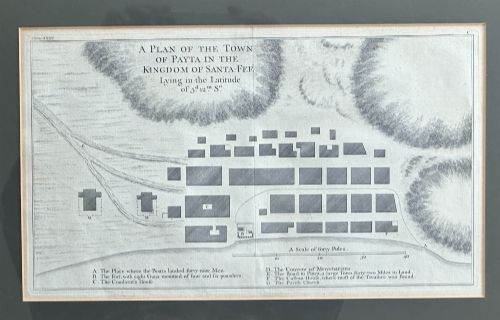
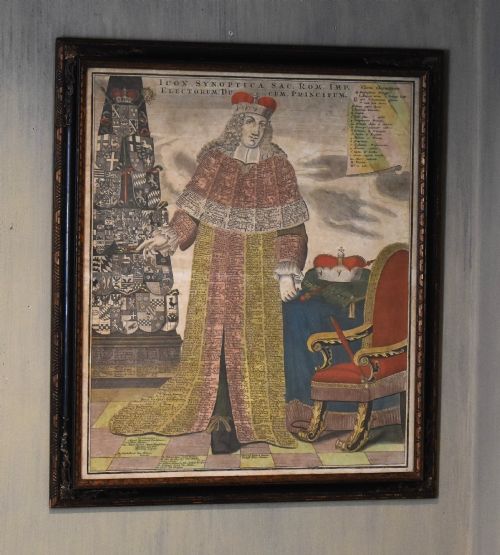
When you search for an antique map engraving, you encounter printed sheets depicting counties, countries, and continents from past centuries. The items available span from seventeenth-century Dutch atlases to Georgian county surveys and Victorian world maps.
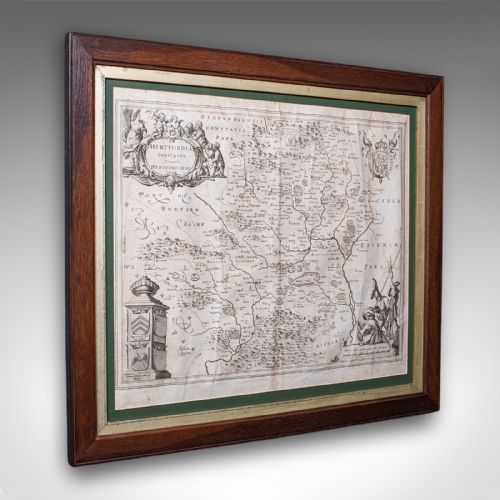
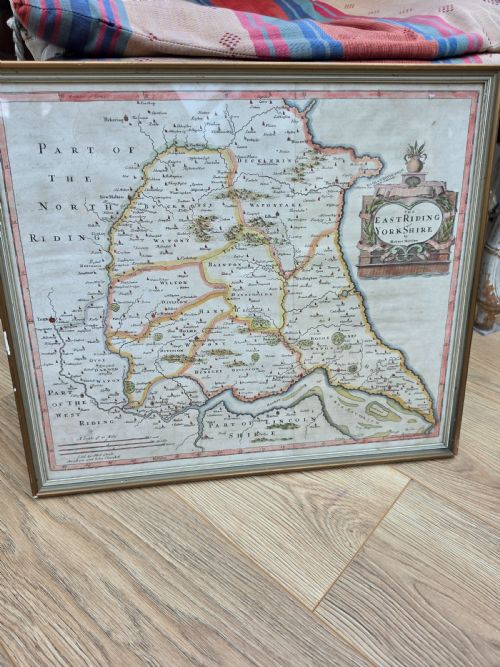
Most examples take the form of framed wall art, often preserved behind glass in wooden frames. Subjects range from local English shires by Robert Morden and John Speed to European regions and Caribbean islands.
The selection includes milestone cartography such as seventeenth-century works by Joan Blaeu and Johannes Janssonius alongside later folio prints and atlas pages. These pieces document how earlier generations understood and visualised the globe.
Methods and materials
Cartographers of the period typically carved geographical lines, text, and cartouches into copper plates in reverse. Printers then dampened paper and pressed it onto the inked metal plate under heavy pressure to transfer the image.
Many sheets received hand watercolour application after printing to highlight regional boundaries, coats of arms, and decorative title banners. Publishers bound these plates into atlases or issued them individually for framing and study.
Surviving examples employ laid or woven paper, frequently framed in wood mouldings that sometimes incorporate gilt work. Ink formulation and paper quality vary according to the printing house and the century of production.
Early cartographers occasionally filled blank oceanic spaces with elaborate sea monsters and sailing ships to disguise missing data.
Distinctions in quality
The precision of the original copperplate engraving dictates the clarity of place names, borders, and decorative flourishes. Finer impressions show crisp lettering and sharp plate marks where the metal edge bit into the paper.
The application of original hand colour influences the visual impact, with skilled washes adding depth without obscuring topographical detail. Condition matters significantly, including paper tone, foxing, and the presence of full margins around the printed border.
John Speed·Joan Blaeu·Robert Morden·Johannes Janssonius·Eman Bowen
The Antique Map Engraving Glossary
- Cartouches
- Decorative frames enclosing the map title, scale, and publisher details. These ornate elements often reflect the artistic style of the period.
- Plate mark
- The indentation left in the paper by the edge of the copper printing plate during the press run. This physical depression confirms a traditional intaglio printing process.
- Foxing
- Brown spots on older paper caused by chemical reactions over long periods. Collectors accept minor instances as a sign of genuine age.
- Laid paper
- Handmade paper showing a visible grid of parallel lines when held to the light. This paper stock is typical of seventeenth and eighteenth-century editions.
- Hand coloured
- Pigments applied by brush to a monochrome printed sheet after publication. This technique distinguishes standard black and white impressions from decorated variants.
Antique Map Engraving: Frequently Asked Questions
How should I hang an antique map?
Position the piece away from direct sunlight to prevent the paper and any applied watercolour from fading over time. Maintaining stable indoor humidity also protects the paper fibres and the surrounding wooden frame.
Use professional framing methods with acid-free backing materials to ensure the sheet remains preserved. Ensure the piece hangs securely from appropriate wall fixings suited to the weight of the glazed frame.
Are these maps original prints?
The listings comprise period impressions printed from hand-engraved copper plates during the seventeenth, eighteenth, and nineteenth centuries. Each sheet originates from the era stated rather than serving as a modern facsimile.
Detailed examination under magnification reveals the characteristic ink transfer and paper indentation of genuine intaglio printing. Reference to contemporary atlases and historical publishing records helps confirm their period of origin.
How can I tell the age of a map?
Typographic style, spelling variations in place names, and the paper type provide primary clues for dating a printed sheet. Cartographic details, such as territorial boundaries and historical town names, reflect the geopolitical reality of the stated year.
Attribution to specific makers like Robert Morden or Joan Blaeu often links the plate to a known publication date. Comparing the engraving to standard cartobibliographies helps establish a precise production window.
What is a county map?
A county map focuses specifically on the local geography, settlements, roads, and estates of a single shire or region. These plates were frequently produced for national atlases or county histories during the early modern period.
Publishers often included local coats of arms and topographical vignettes to decorate the margins of these regional surveys. They offer a detailed record of local landscape history before modern industrial expansion.