

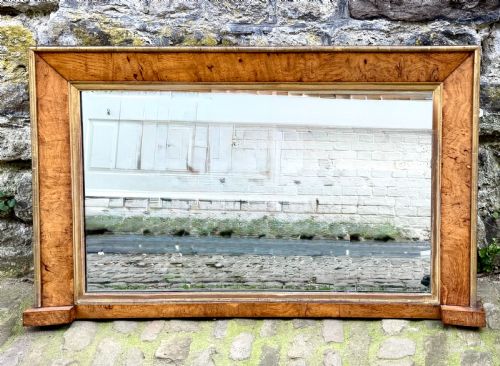


Antique Mantelpiece Glass
Antique mantelpiece glass brings together nineteenth-century mirror plates, ruby and yellow lustres, and crystal clock garnitures designed to sit above the hearth.
Antique Mantelpiece Glass
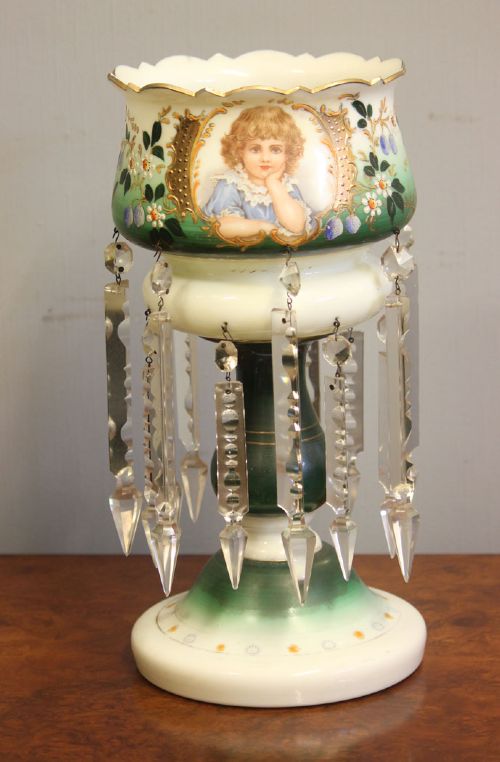
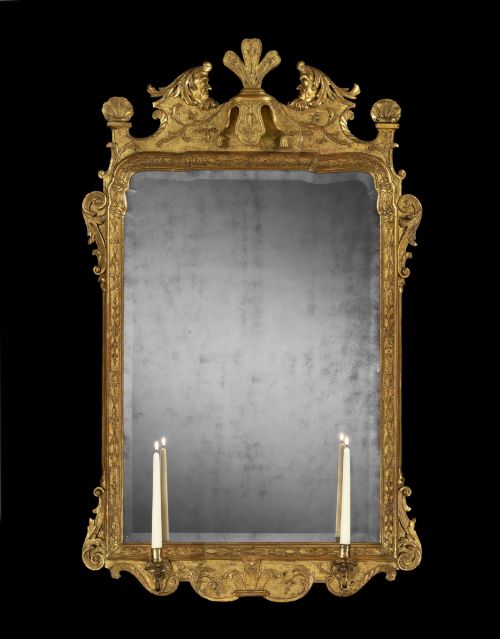
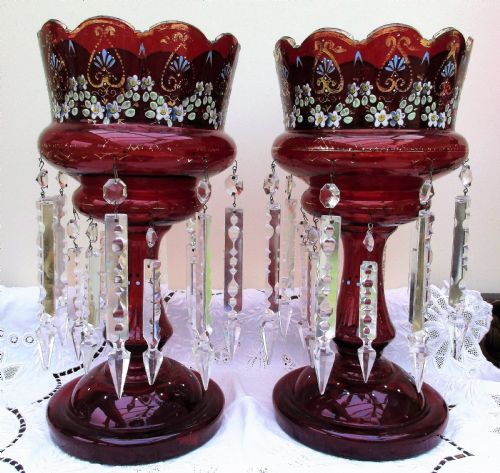
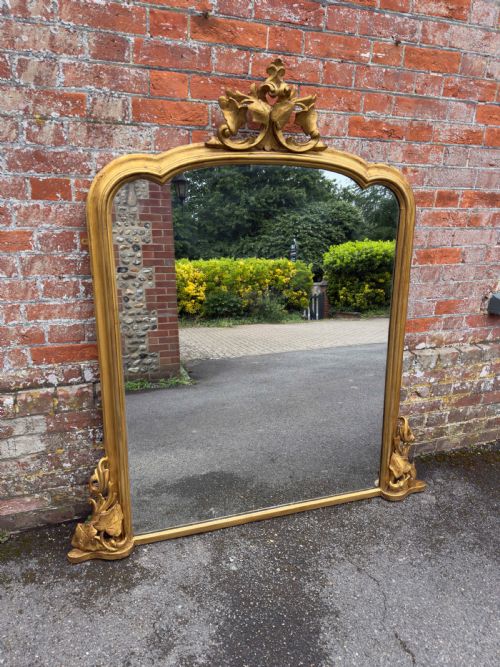
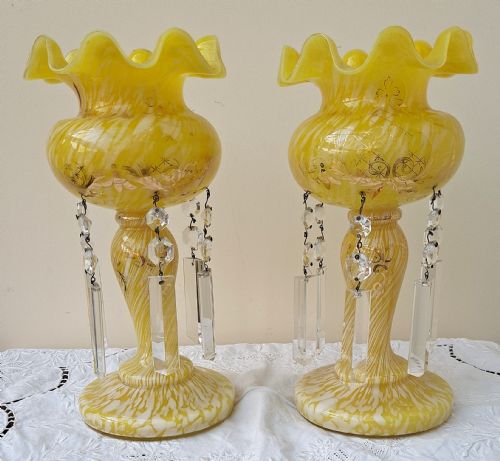
When you search for antique mantelpiece glass, you encounter two distinct forms: large overmantel mirrors framed in giltwood or mahogany to reflect the room, and smaller decorative table lustres or clocks placed directly on the shelf. The selection on this page leans heavily towards Victorian overmantel mirrors and pairs of glass mantel lustres from the nineteenth century.
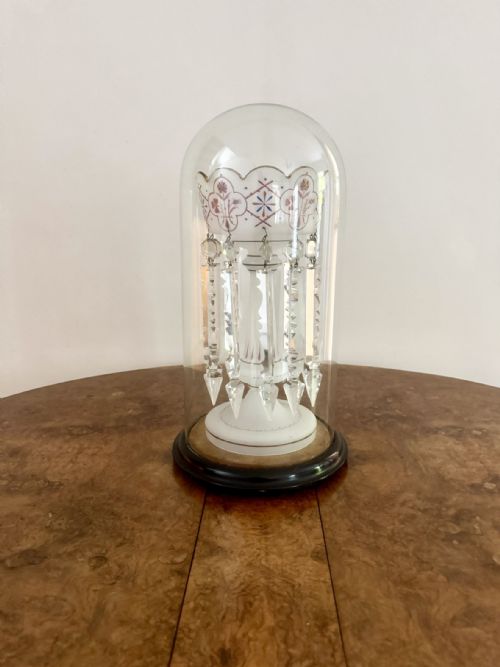
Mirrors range from simple architectural shapes to elaborate arched, shaped-top, and compartmental frames finished in gold leaf or gesso. Meanwhile, mantel lustres introduce colourful glass bodies - often ruby, yellow, or opaline - hung with long crystal prisms that catch the flicker of firelight or candlelight.
Alongside these traditional mirror plates and candle garnitures, the listings include occasional timepiece housings, such as four-glass mantel clocks and cut crystal portico clocks. These pieces share a domestic function, anchoring the fireplace as the visual centrepiece of a period reception room.
How they were made
Makers built overmantel mirrors using carved wood and gesso frames finished with gold leaf or metallic gilt, housing heavy mirror glass plates that were sometimes etched or divided into compartments. For the smaller decorative items, artisans worked with coloured glass, blowing or pressing ruby, yellow, and opaline vessels before embellishing them with enamel or gold leaf.
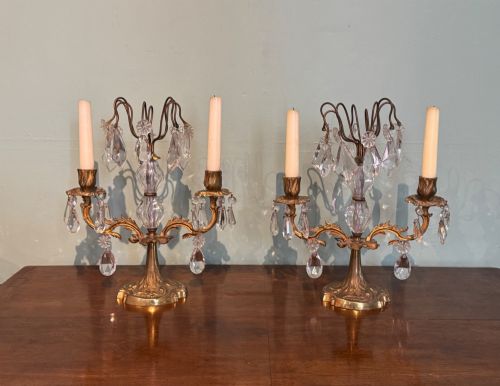
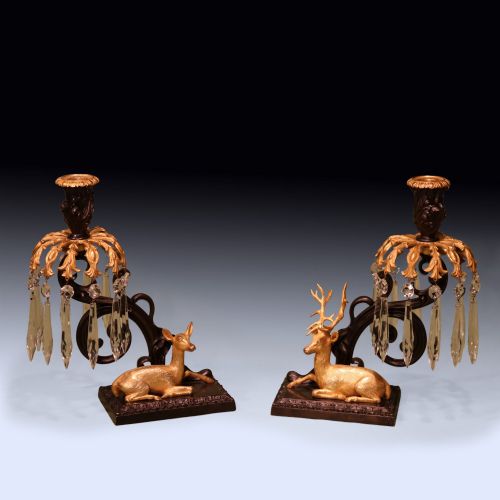
Mantel lustres and candelabra combine blown glass bodies with cut crystal pendants, suspended on pins to create sound and sparkle when disturbed by air currents. Clock housings required a mix of glass sides, gilt bronze, ormolu, and mahogany to encase intricate mechanical movements.
The combination of gilding, mirror plate, and lead crystal demanded collaborative workshop skills, uniting framing carpenters, glassblowers, and bronze gilders.
Listings feature nineteenth-century overmantel mirrors, French ormolu clocks, and Bohemian overlay glass lustres framed in giltwood, gesso, and crystal.
What varies in quality
Quality in antique mantelpiece glass rests upon the depth of the materials and the crispness of the hand-work. A superior overmantel mirror displays deeply carved gesso ornaments on its wooden frame rather than shallow, mass-produced composition details, alongside heavier silvered mirror plates that retain a clear, undistorted reflection.
For glass lustres and vases, the distinction lies in the saturation of the colour and the quality of the crystal cutting. Bohemian overlay glass and ruby glass exhibit richer hues and sharper faceting than simpler pressed glass counterparts, while matching pairs retain their original complement of crystal prisms without replacement drops.
Breguet·Clerke Royal Exchange London·A Delépine
The Antique Mantelpiece Glass Glossary
- Overmantel mirror
- A large mirror specifically designed in proportion to hang upon the wall directly above a fireplace mantelpiece. These often feature horizontal formats or arched tops to fill the chimney breast.
- Mantel lustre
- A decorative ornamental vase or candlestick fitted with a ring of hanging crystal prisms, intended to sit on a mantelpiece and refract light. They appear frequently in pairs.
- Giltwood
- Timber, commonly carved pine or soft wood, coated in a layer of gesso and finished with gold leaf. This technique provides the reflective, golden surfaces seen on nineteenth-century mirror frames.
- Opaline glass
- An opaque, pastel-hued art glass popular in nineteenth-century France and England. It frequently takes the form of table lustres and decorative vases with enamel or gilt painted motifs.
- Compartmental mirror
- A mirror plate divided into multiple distinct sections within a single frame using wooden muntins or gilt strips. This Regency and Victorian arrangement widens the perceived visual field of a room.
Antique Mantelpiece Glass: Frequently Asked Questions
What is a mantel lustre used for?
Mantel lustres served as decorative ornaments placed at either end of a fireplace shelf. Their hanging crystal prisms caught the ambient light of the room and reflected the glow of nearby candles.
While they could hold candles in their central sockets, their primary purpose was ornamental display, showcasing rich coloured glass such as ruby or opaline.
How do I hang a heavy overmantel mirror?
Heavy nineteenth-century overmantel mirrors require secure anchoring directly into structural wall studs or masonry rather than resting solely on mantelpiece brackets. Their substantial giltwood and gesso frames carry considerable weight.
Using professional mirror plates and weight-rated fixings ensures the frame stays stable against the chimney breast without slipping.
How do I identify a Victorian overmantel mirror?
Victorian overmantel mirrors often feature generous proportions, arched or shaped tops, and rich giltwood and gesso ornamentation in revival styles such as Rococo. They were built to sit snugly above the mantel shelf.
Examination of the backboards, frame construction, and silvering on the glass plate helps confirm the nineteenth-century origin.
Are glass lustres fragile to live with?
Glass lustres require careful placement away from busy household traffic where sleeves or passing objects might strike the hanging crystal prisms. The individual glass drops dangle loosely and can chip if they collide.
Routine dusting with a soft brush keeps the crystal and coloured glass bodies bright without risking damage to the drops.