


Antique Male Sketch
An antique male sketch captures likeness and form through direct hand on paper, offering an intimate window into past draftsmanship.
Antique Male Sketch
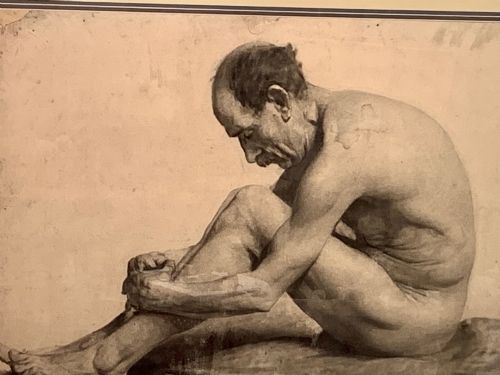
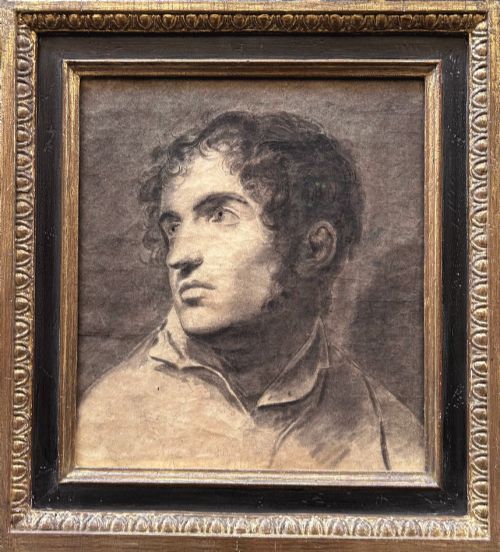
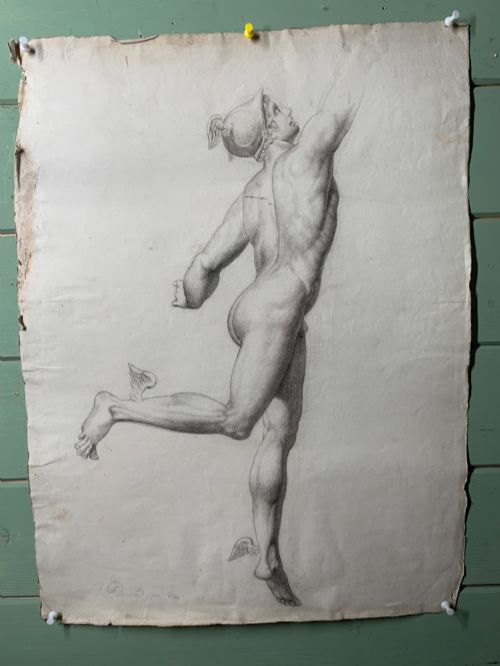
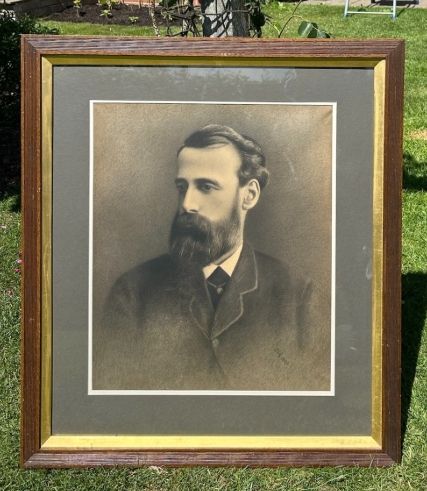
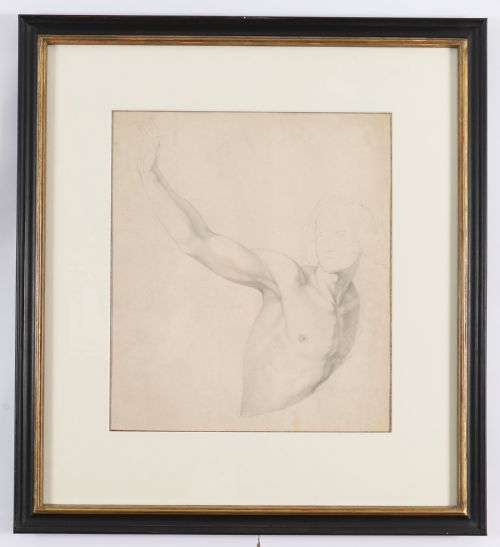
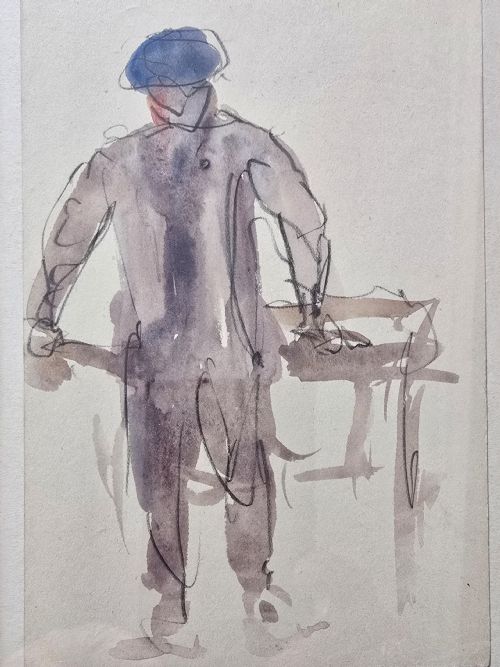
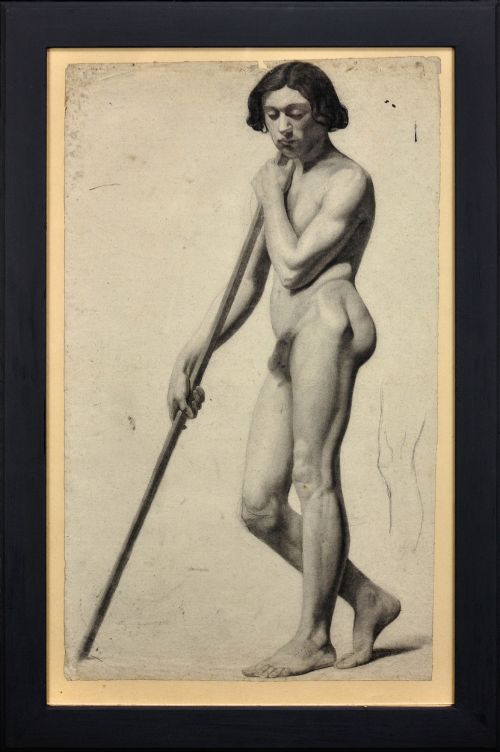
An antique male sketch represents a drawn or painted study of a man, typically executed on paper during the eighteenth, nineteenth, or early twentieth centuries. These works range from rapid academic life studies of male nudes to finished portrait drawings of gentlemen and historical figures.
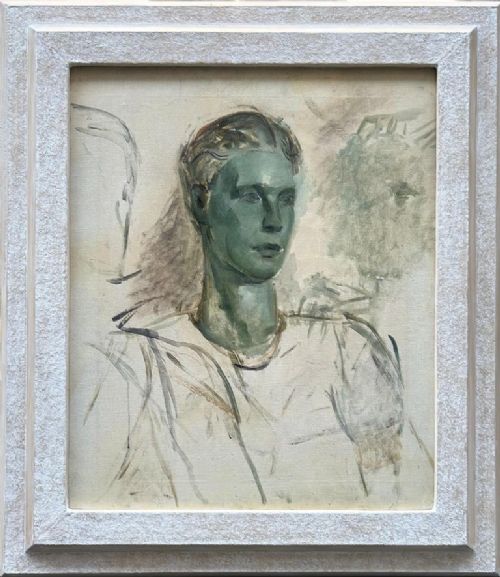
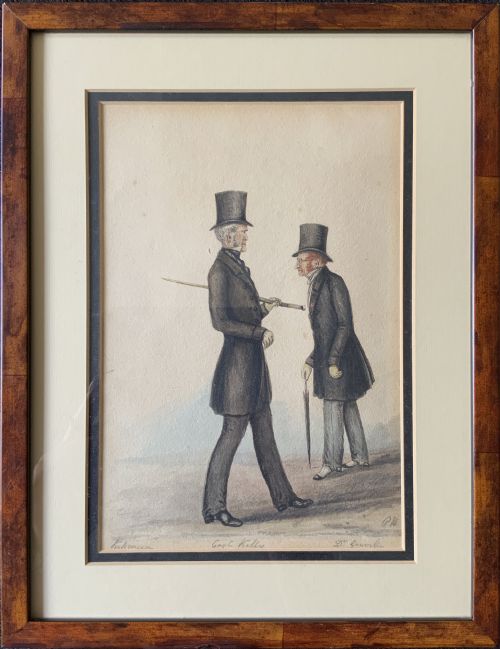
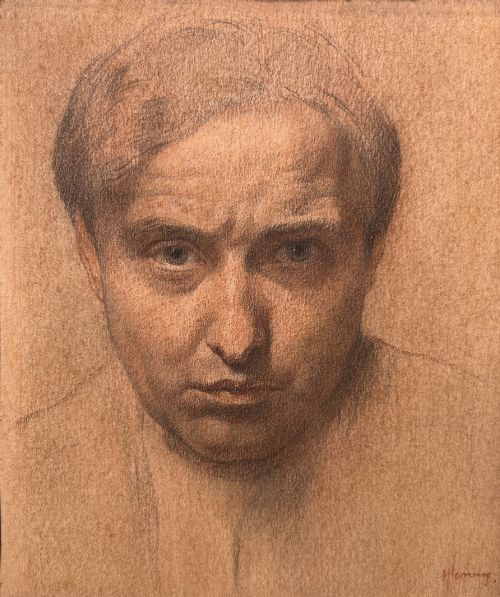
The versions most commonly met on this page originate from nineteenth century academic traditions, alongside Georgian and early twentieth century examples. They appear in mediums such as graphite, charcoal, chalk, and watercolour, often preserved behind glass in framed formats.
How they were made
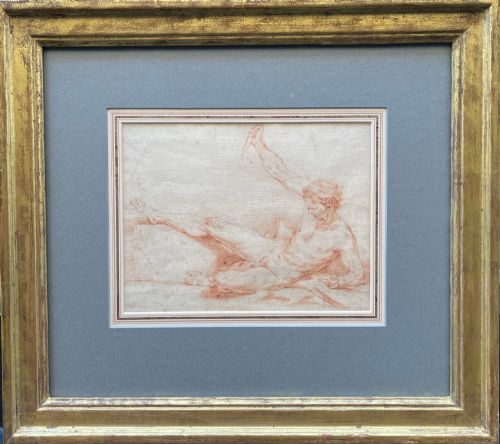
Draftsmen relied primarily on paper supports, applying dry materials like graphite, charcoal, and chalk to build form and shadow through line and tone. Watercolours and oils also appear, providing colour and wash applied with brushes.
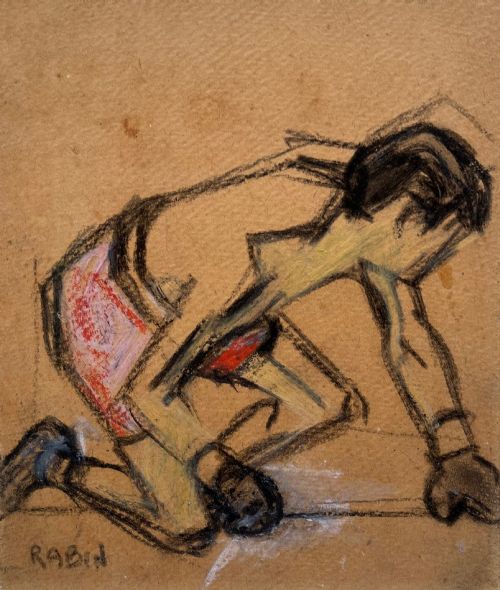
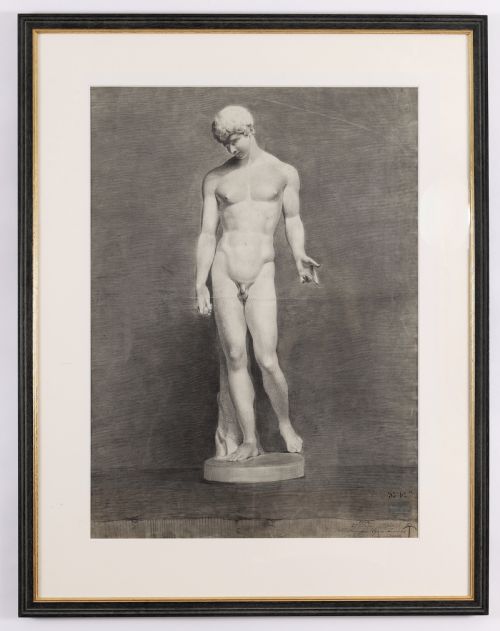
Many surviving sheets began as studio exercises or preparatory works, reflecting academic training methodologies such as drawing from plaster casts or live models.
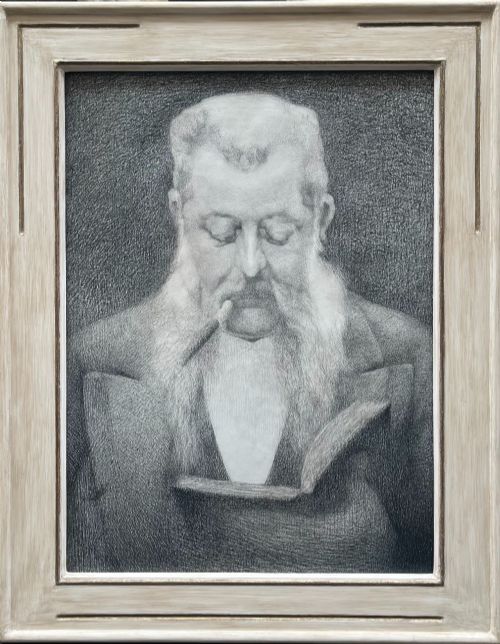
One gentleman is immortalised alongside his pipe, capturing a quiet moment of nineteenth century contemplation.
What varies in quality
Quality rests in the sureness of the hand, where anatomical accuracy and expressive line distinguish a master academic study from a routine exercise. Strong tonal control and confident shading separate sophisticated works from tentative ones.
Condition and preservation heavily influence standing, particularly the stability of the paper support and the clarity of the medium without excessive fading or foxing.
Hyacinthe Colin de Vermont·Herbert Johnson Harvey·Henry Arthur Roberts·John Seymour Lucas·Ernest Borough Johnson·Francis Dodd·George Richmond
The Antique Male Sketch Glossary
- Academic Realism
- A style of painting and drawing produced under the influence of European academies of art, emphasising precise anatomy and classical form.
- Life Study
- A drawing or painting executed directly from a live model, often utilised in academic training to master human proportions.
- Graphite
- A form of crystalline carbon used as a drawing medium in pencils, capable of producing fine lines and delicate tonal gradations.
- Charcoal
- A dry drawing material made from burnt organic matter, producing deep black marks suited for dramatic shadow and bold gestures.
- Sanguine
- A reddish-brown chalk used historically for sketching and figure studies, derived from haematite.
Antique Male Sketch: Frequently Asked Questions
What is an academic life study?
An academic life study is a drawing or painting executed from a live model, usually within a structured studio or academy setting. These exercises allowed artists to master human anatomy and proportions.
Such works frequently depict male nudes or figures in classical poses, serving as foundational training for larger historical or allegorical compositions.
How should I frame a paper drawing?
Framing works on paper requires conservation grade materials to protect the delicate medium from environmental damage. Using acid-free mounts ensures the paper does not discolour over time.
Glazing with UV-filtering glass helps prevent the graphite, charcoal, or watercolour pigments from fading under ambient light exposure.
What periods do these sketches cover?
The available sketches span from the eighteenth century through the Georgian and Victorian eras into the early twentieth century. This temporal spread captures shifting styles from neoclassical academic traditions to symbolist and early modern approaches.
Most pieces date from the nineteenth century, reflecting the high volume of studio drawing produced during that period.
Are these works original or copies?
The listings include original hand-drawn or painted works, some of which were executed after earlier masters or classical sculptures as part of artistic training. Descriptions often clarify whether a piece is an original composition or a study after another artist.
Every piece relies on direct application of media by hand onto the paper support.